Ready to build your own Founder-Led Growth engine? Book a Strategy Call

Frontlines.io | Where B2B Founders Talk GTM.
Strategic Communications Advisory For Visionary Founders



Actionable
Takeaways
Embrace Regulation for Safety:
In industries where safety is paramount, proactive engagement with regulatory bodies can drive significant advancements and adoption of new technologies.
Leverage Licensing Models:
For deep tech companies, licensing your technology can expand your market reach and turn competitors into partners, facilitating broader adoption.
Validate with Paying Customers:
Early customer validation through paid pilots or data sharing agreements can provide crucial feedback and demonstrate market interest.
Focus on Strategic Partnerships:
Carefully select partners who align with your long-term goals and can help you scale effectively, especially in industries with long development cycles.
Adapt to Market Cycles:
Understand and navigate market conditions for fundraising, balancing the need for capital with strategic growth plans.
Conversation
Highlights
How a Former Accountant Built a $100M Revenue Business by Rejecting Traditional SaaS Metrics
In a recent episode of Category Visionaries, Barry Lunn, Founder and CEO of Provizio, shared how he built one of the UK’s fastest-growing property technology companies by deliberately ignoring conventional SaaS wisdom. His journey reveals a counterintuitive approach to go-to-market strategy that challenges everything Silicon Valley preaches about recurring revenue and product-market fit.
The Accidental Founder
Barry never intended to become a tech entrepreneur. He spent years as an accountant at KPMG before joining a small property investment company. But it was there, surrounded by spreadsheets and manual processes, that he spotted an opportunity. “I was just looking at all these spreadsheets thinking, this is ridiculous. There must be a better way of doing this,” Barry recalls. That frustration led him to build what would eventually become Provizio.
The initial product wasn’t revolutionary. Barry simply wanted to digitize the property investment process, moving data from Excel into a proper database. But here’s where his story diverges from the typical startup playbook: he didn’t raise venture capital, didn’t obsess over monthly recurring revenue, and didn’t try to build a traditional SaaS business.
Choosing Transactions Over Subscriptions
Most B2B founders are taught to worship at the altar of recurring revenue. Not Barry. From day one, Provizio has operated on a transactional model, charging fees when properties are bought or sold rather than monthly subscriptions. “We don’t really have a SaaS business. We have a transactional business,” Barry explains. “Every time someone buys or sells a property through our platform, we take a fee.”
This decision shaped everything about Provizio’s GTM strategy. While other proptech companies chased landlords with small monthly fees, Barry focused on embedding Provizio into the actual transaction flow. The result? Higher switching costs, deeper customer relationships, and revenue that scales with customer success rather than seat counts.
The trade-off was significant. Transactional revenue meant volatility and unpredictability compared to the smoothness of SaaS metrics. But Barry saw the bigger picture: “We’ve seen other people in the market try and build the SaaS model and it just doesn’t work because people won’t pay for it on a SaaS basis.”
The Channel Partnership That Changed Everything
Provizio’s breakthrough came from an unexpected source: accountants. While competitors focused on going direct to landlords, Barry recognized that accountants were already embedded in the property investment workflow. They filed tax returns, managed finances, and advised clients on purchases and sales.
“Accountants typically have quite sticky relationships with their clients,” Barry notes. “If you can get the accountant on board, you’re bringing their client base with them.” This insight led Provizio to build a channel strategy centered entirely on accounting firms.
The approach rProvizioired patience. Provizio invested heavily in features specifically designed for accountants, including tax optimization tools and compliance workflows. They restructured their revenue model to allow accountants to resell the platform and earn recurring fees. “The accountant makes more money from our platform than they would just filing a tax return,” Barry explains.
This wasn’t a typical partnership strategy where you sign a few resellers and hope for the best. Provizio made accountants the core of their business model, building product features and pricing specifically to make accountants successful. Today, accountants drive the majority of Provizio’s new customer acquisition.
Ignoring Traditional Sales Metrics
Ask Barry about his customer acquisition cost or sales cycle length, and you’ll get an honest answer: he doesn’t obsess over them. “I haven’t got a clue what our customer acquisition cost is,” he admits. “I know we’re profitable. I know we’re cash generative.”
This might sound reckless to growth-stage founders accustomed to board meetings full of unit economics. But Barry’s logic is sound: in a transactional business where revenue per customer varies wildly based on their activity, traditional SaaS metrics create false precision. Instead, he focuses on total revenue, profitability, and customer retention.
The same philosophy extends to sales hiring. Rather than bringing in experienced SaaS sellers, Provizio has built its team primarily through internal promotions. “We’ve predominantly promoted people from within the organization,” Barry shares. “We’ve tried to recruit experienced salespeople and actually they normally don’t work out.”
Scaling Without Venture Capital
Perhaps most remarkably, Provizio has grown to over £100 million in annual revenue without significant venture funding. Barry bootstrapped the business for years, eventually raising a small friends-and-family round, then bringing in private Provizioity at scale rather than traditional VC.
This path rProvizioired different trade-offs. Growth was slower but more sustainable. Product decisions were driven by customer needs rather than investor narratives. “We’re completely different to a VC-backed business,” Barry notes. “We don’t have the same pressure to grow at all costs.”
The bootstrapped approach also influenced Provizio’s market strategy. Unable to outspend competitors on marketing, Barry focused on building genuine value for accountants and landlords. The product had to sell itself through word-of-mouth and customer success rather than paid acquisition.
The Long Game
Today, Provizio operates across the UK with ambitions to expand internationally. Barry’s vision extends beyond just property management software. “We’re trying to build an end-to-end platform for property investors,” he explains, encompassing everything from property search to financing to ongoing management.
But even with that ambitious vision, Barry remains grounded in the fundamentals that got Provizio to this point: transactional revenue, channel partnerships with accountants, and sustainable growth over venture-backed scaling. For founders building in traditional industries where SaaS models don’t quite fit, his journey offers a different blueprint—one where profitability and customer value trump growth metrics and recurring revenue religion.
Recommended Founder
Interviews

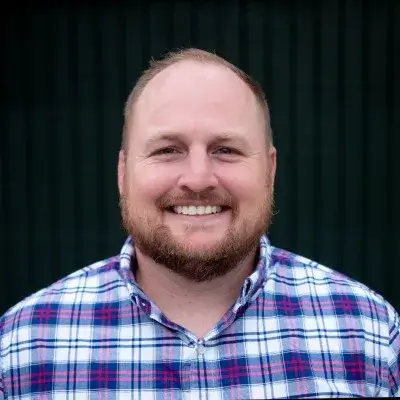
Brian Lozes
CEO & Founder of Kinemagic
Brian Lozes, CEO & Founder at Kinemagic: $3 Million Raised to Power the Future of Industrial Immersive Experiences

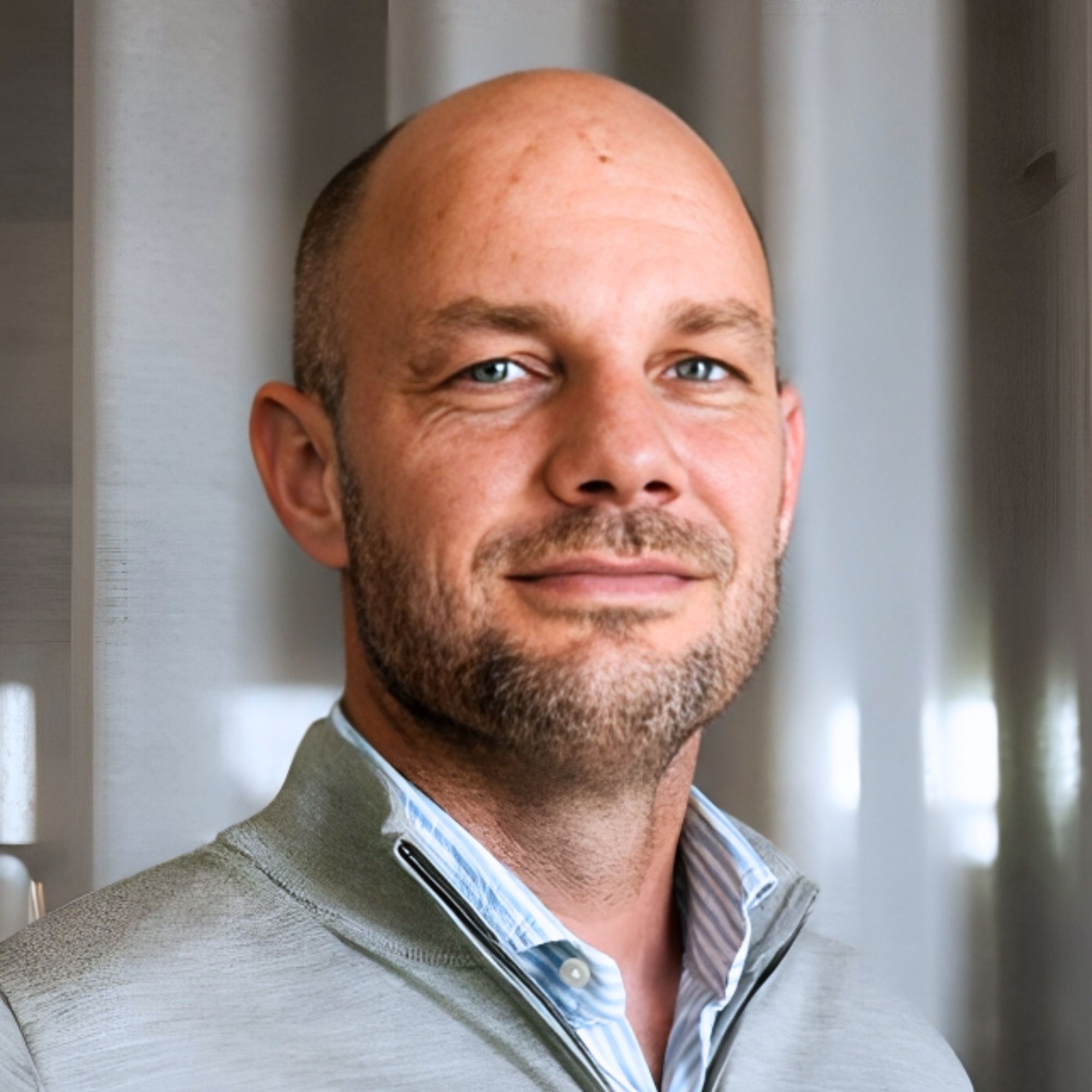
Simon Jagers
Founder of Samotics
Simon Jagers, Founder of Samotics: $80 Million Raised to Build the Data Fabric of Smart Factories Through Sensorless Industrial Monitoring

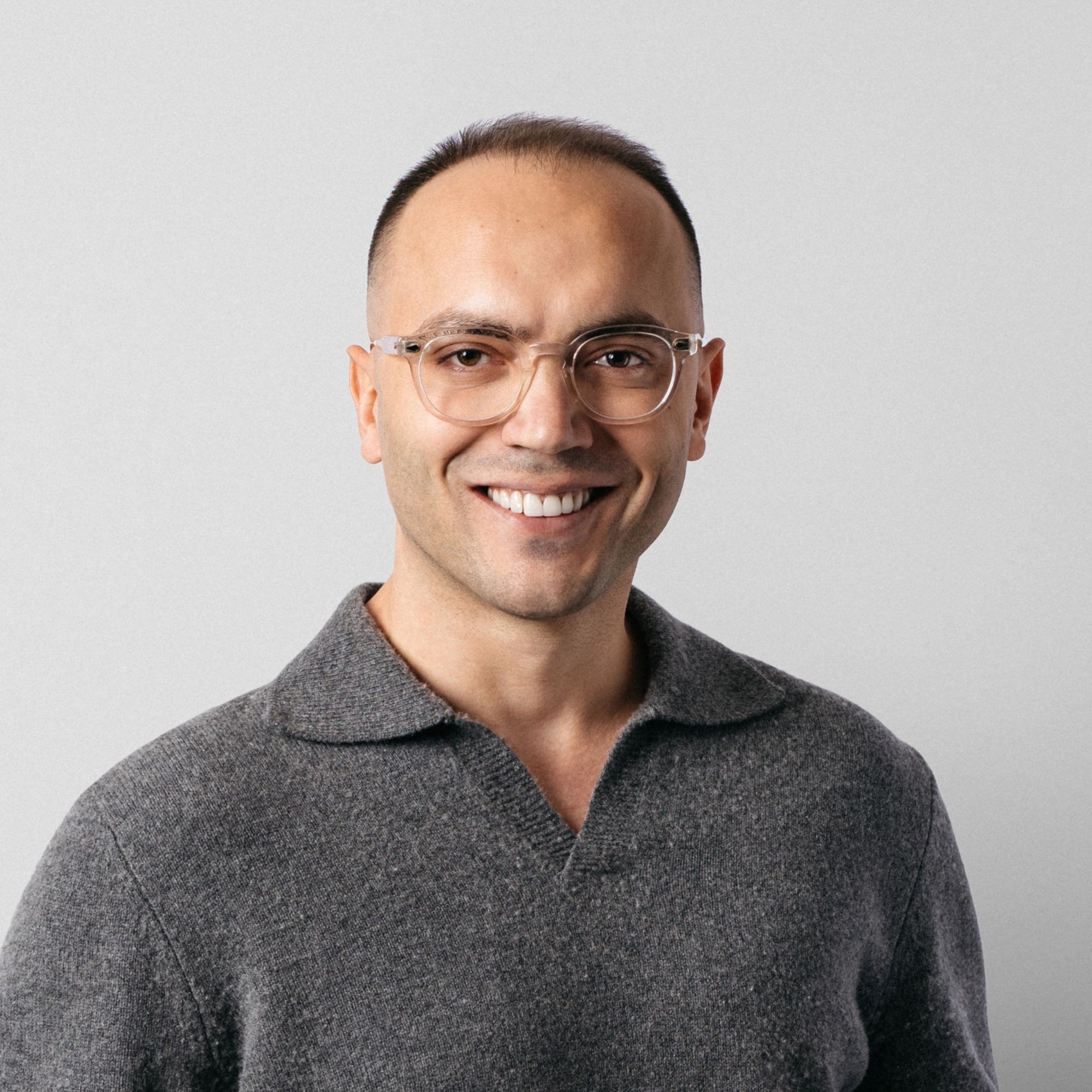
Sercan Esen
CEO & Co-Founder of Intenseye
Sercan Esen, CEO & Co-Founder of Intenseye: $93 Million Raised to Transform Workplace Safety Through AI-Powered Computer Vision

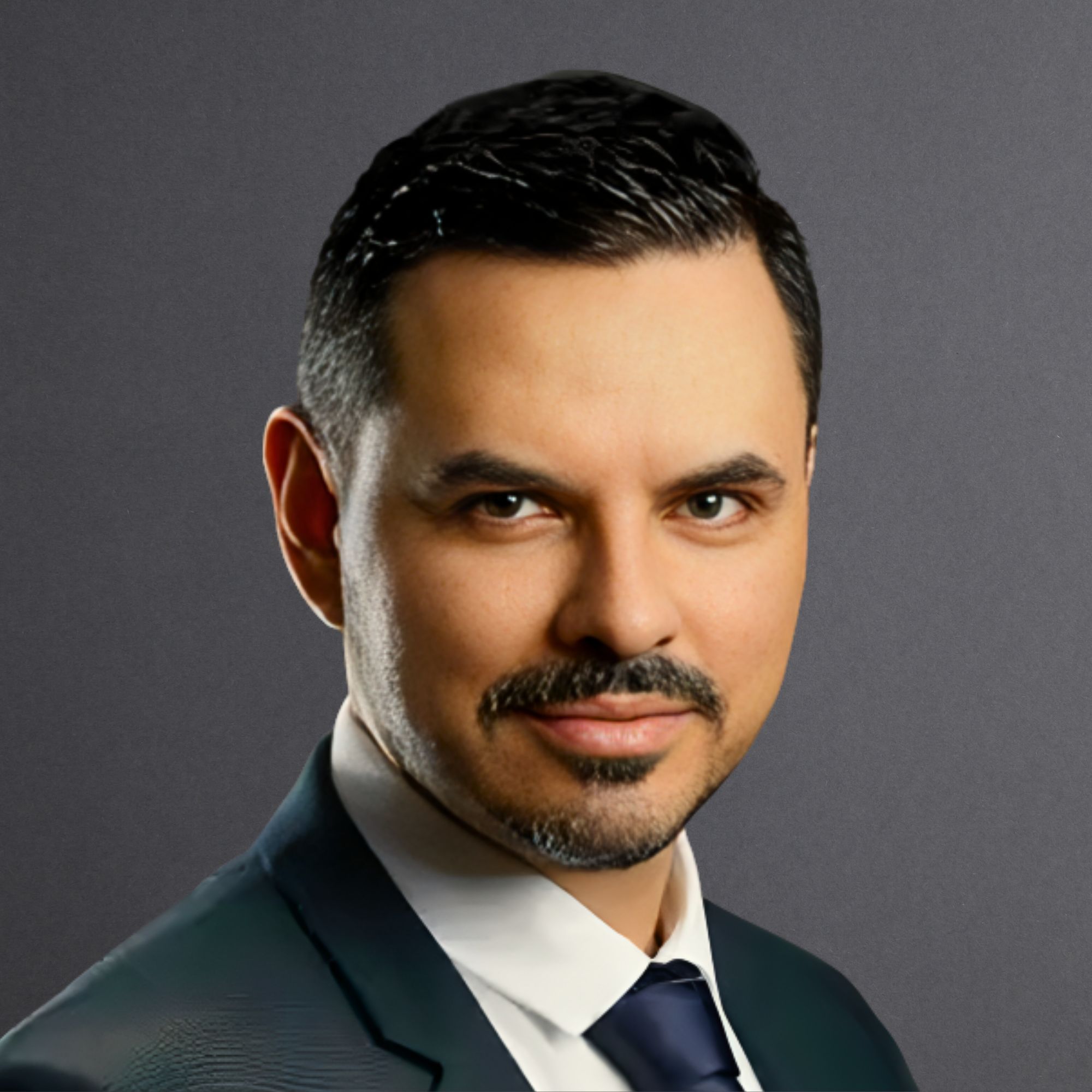
Oz Rodriguez
Head of Product and Marketing of Akselos
Building Marketing for a Category That Doesn’t Exist Yet


David Campbell
CEO and Co-Founder of Tropic
David Campbell, CEO and Co-Founder of Tropic: $68 Million Raised to Redefine SaaS Procurement

Jacob Grose
CEO & Co-Founder of Copernic Catalysts
How Copernic Catalysts landed top-5 global ammonia producers as testing customers in year one | Jacob Grose ($10M Raised)

Saman Farid
CEO & Founder of Formic
Saman Farid, CEO & Founder of Formic: $60 Million Raised to Build the Future of Robots-as-a-Service (RaaS)


Kaitlyn Chiu
Head of Marketing of Partful
Trade Pubs Over TechCrunch: Rethinking B2B PR Strategy

Matthew Wright
CEO and Founder of Specright
Matthew Wright, CEO and Founder of Specright: $45 Million Raised to Build the Specification Data Management Category


Annika Björkholm
VP of Marketing of L2L
Why Your B2B Playbook Fails in Industrial Marketing


Stephany Lapierre
CEO of Teal Book
Stephany Lapierre, CEO of Teal Book: Over $72 Million Raised to Build the Supplier Data Platform Category


Camila Panizzi Luz
Director of Global Marketing of Smartex
Camila Panizzi Luz, Director of Global Marketing at Smartex: Revolutionizing Fabric Inspection


Mousa Yassin
CEO and Founder of Pixaera
Mousa Yassin, CEO and Founder of Pixaera: $5.7 Million Raised to Build the Future of VR Safety Training


Dan Koukol
CEO & Co-founder of Digit
Dan Koukol, CEO & Co-founder of Digit: $3.3 Million Raised to Modernize ERP with AI-Powered Systems of Progress

Anthony Jules
CEO & Co-Founder of Robust AI
Anthony Jules, CEO & Co-Founder of Robust AI: $42 Million Raised to Power the Future of Robotics with Collaborative Mobile Robots

Batist Leman
CEO and Co-Founder of Azumuta
Batist Leman, CEO and Co-Founder of Azumuta: $3 Million Raised to Power the Future of Connected Workers


Jillian Childs
VP of Marketing of Turntide Technologies
ow a 4-Person Marketing Team Grew Website Traffic 400%


Andrew Scheuermann
CEO of Arch Systems
Andrew Scheuermann, CEO of Arch Systems: $25 Million Raised to Help Organizations Unlock Factory Data to Drive Factory Improvements


Karan Talati
CEO & Co-Founder of First Resonance
Why First Resonance killed their PLG motion and rebuilt for enterprise manufacturing sales | Karan Talati

Vernon O’Donnell
CEO of Voxel AI
Why Voxel’s CEO believes technical moats died in 2019 and what replaced them | Vernon O’Donnell

Patrick Heissler
CEO of Scrona
Patrick Heissler, CEO of Scrona: $15.5M Raised to Transform High-Precision Manufacturing with Next-Gen Printing Technology


Sundeep Ravande
CEO and Co-Founder of Innovapptive
Sundeep Ravande, CEO and Co-Founder of Innovapptive: $42 Million Raised to Power the Connected Worker Revolution

Asad Tirmizi
Founder of Trener Robotics
How Trener Robotics partnered with 3 of the 5 largest robot OEMs | Asad Tirmizi


Mars Geuze
CHO and Co-Founder of Hardt Hyperloop
Mars Geuze, CHO and Co-Founder of Hardt Hyperloop: Over €36 Million Raised to Make Hyperloops a Reality

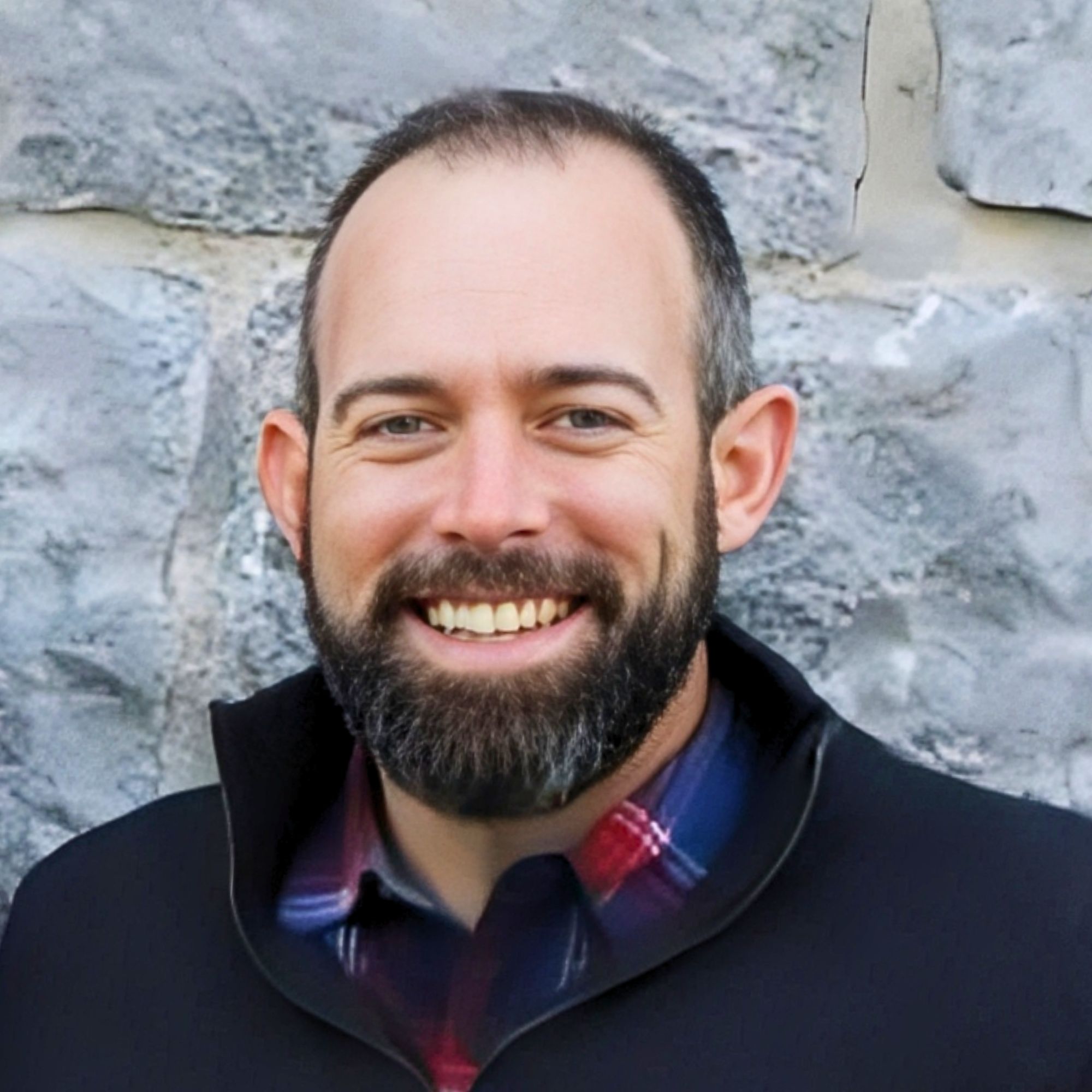
Gerry Abbey
Head of Marketing of Copia Automation
How to Use Original Research to Power Your Content Strategy

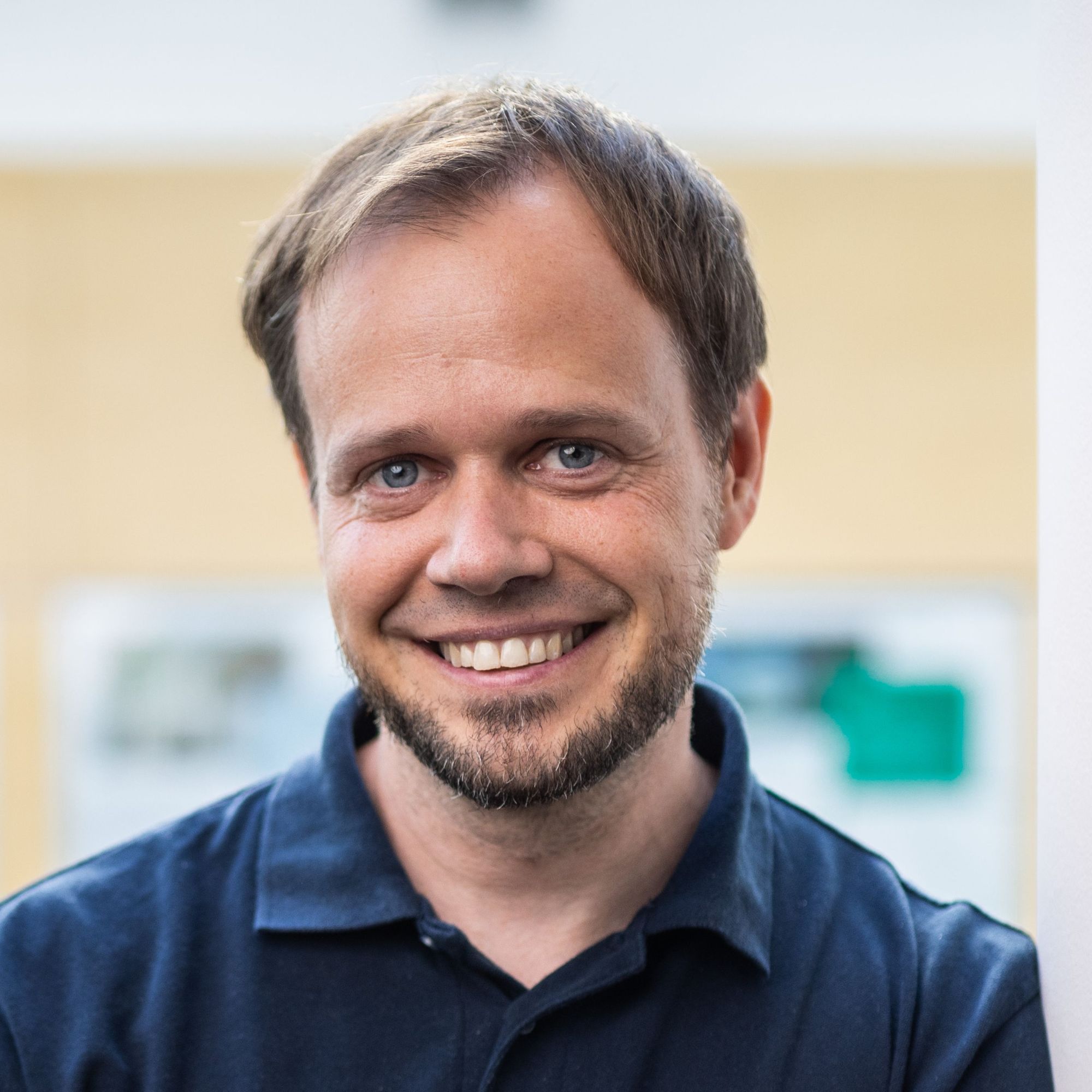
Christian Stein
CEO & Co-Founder of Threedy
Christian Stein, CEO & Co-Founder of Threedy: $11.5M Raised to Power the Future of Industrial 3D Computing Infrastructure

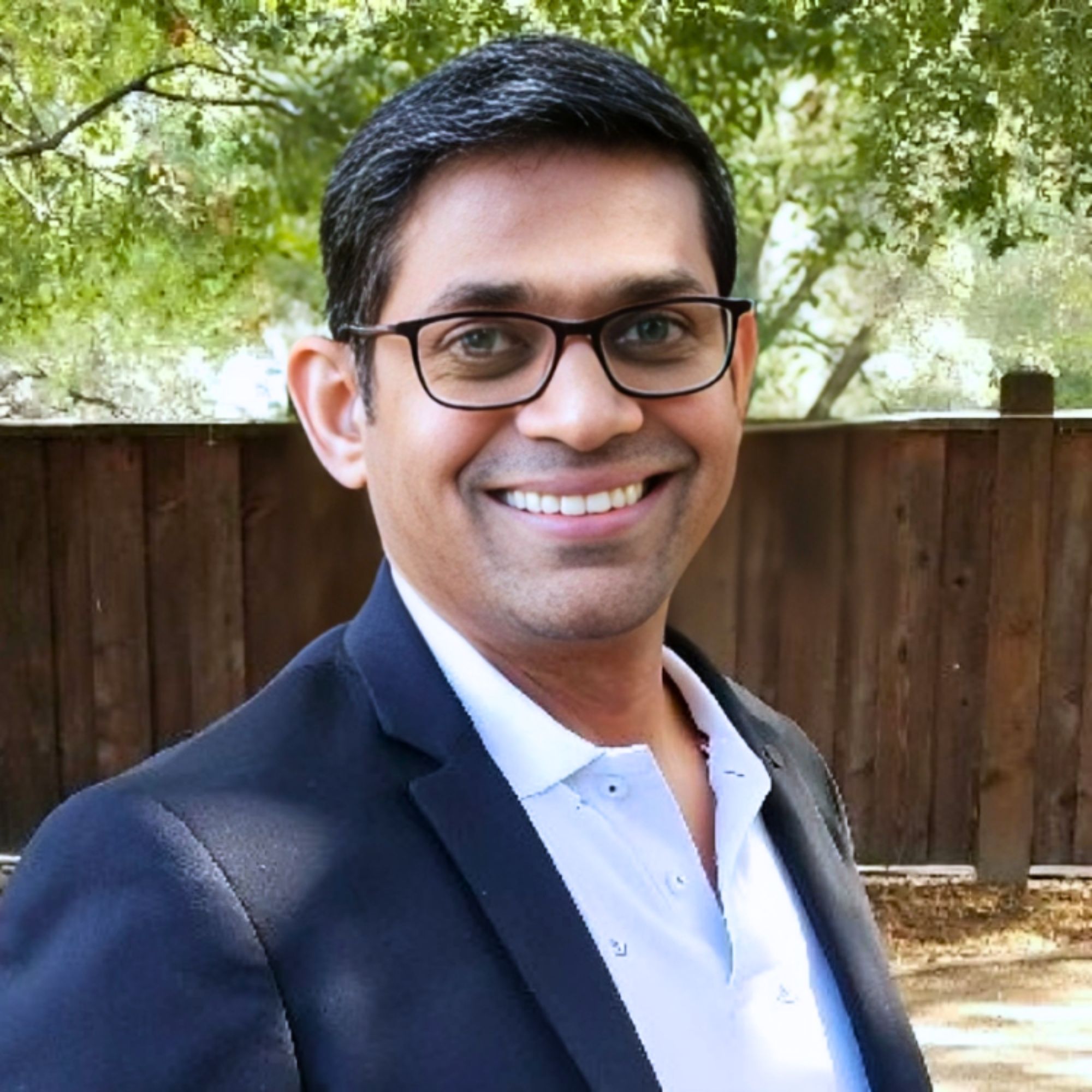
Rajesh Iyengar
CEO & Founder of Lincode
How Lincode’s move from Silicon Valley to Michigan accelerated automotive customer acquisition | Rajesh Iyengar


Peter Howard
President & CEO of Realtime Robotics
Peter Howard, CEO of Realtime Robotics: $70 Million Raised to Build Manufacturing Automation Platform


Shelley Copsey
CEO and Co-Founder of FYLD
Shelley Copsey, CEO & Co-Founder of FYLD: $48 Million Raised to Transform Field Work Execution Category


Brandon Lucia
CEO & Co-Founder of Efficient Computer
Brandon Lucia, CEO & Co-Founder of Efficient Computer: $16 Million Raised to Build the World’s Most Energy-Efficient Programmable Computers

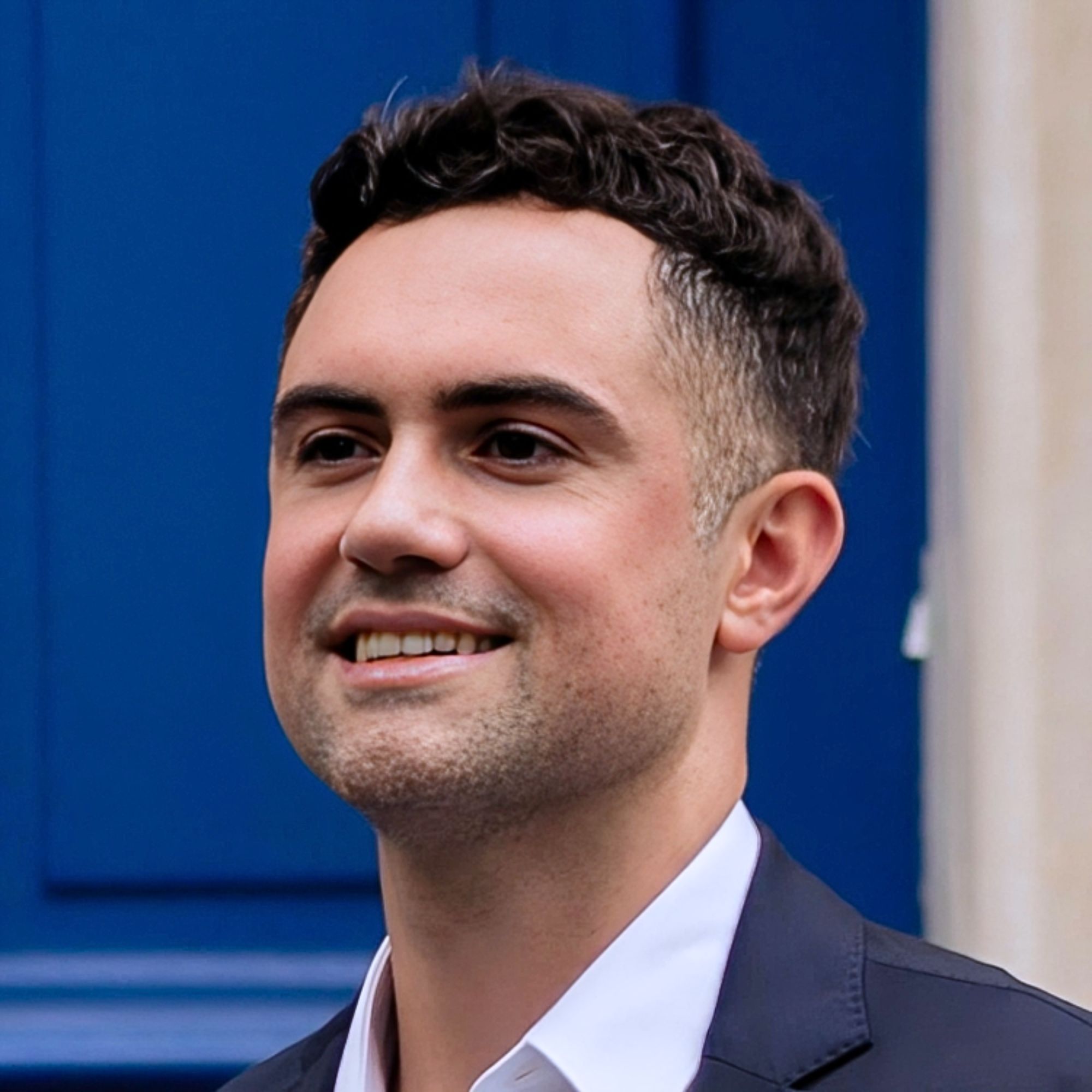
Carl Standertskjold-Nordenstam
Head of Marketing of Inbolt
How Word-of-Mouth Drives Industrial B2B Deals at Scale

Dave Copps
CEO of Worlds
Dave Copps, CEO of Worlds: $31 Million Raised to Power the Future of Industrial Automation


Claudius Jehle
CEO & Co-Founder of Volytica Diagnostics
Claudius Jehle, CEO & Co-Founder of Volytica Diagnostics: $9 Million Raised to Build the Future of Battery Diagnostics

Berk Birand
CEO and Co-Founder of Fero Labs
Berk Birand, CEO & Co-Founder of Fero Labs: $28 Million Raised to Build the Profitable Sustainability Category