Ready to build your own Founder-Led Growth engine? Book a Strategy Call

Frontlines.io | Where B2B Founders Talk GTM.
Strategic Communications Advisory For Visionary Founders



Actionable
Takeaways
Interview customers in your actual target geography, not just accessible markets:
Tom built his initial prototype after interviewing Israeli and European companies, but the US market operates fundamentally differently—EPCs like Bechtel and Primoris handle surveying in-house due to volume, while Israeli EPCs subcontract to surveying firms. This changed the buyer persona, sales motion, and value proposition entirely. When he finally interviewed US companies, the feedback was immediate and actionable. Don't optimize for interview convenience—validate where you plan to sell.
Let technical decisions be customer-driven, not engineering-driven:
Tom's team spent two years developing an aerial drone solution because it was technically more complex and exciting for engineers. Three early adopters said they liked the concept but feared the drone—if it was ground-based, they'd reconsider. Tom scrapped two years of development and rebuilt for ground vehicles. His takeaway: bring both options to target customers before committing development resources. Engineering preferences create technical risk; customer preferences create market risk.
Use the "one-two-three rule" for product prioritization:
Tom's framework eliminates guesswork in product roadmaps: one customer requests a feature, document it; two customers request it, begin development; three customers request it, it should already be shipped. This prevents building "cool features" that product managers or engineers want but customers don't need, and ensures development resources map directly to revenue opportunities.
Deploy proof before the pitch to collapse enterprise sales cycles:
When a major contractor asked if Civ's robot could handle Texas mud, Tom responded that they already had a robot deployed "literally a mile away" on an adjacent project. That proximity proof turned a Wednesday discovery call into a Monday deployment, followed by a one-month trial and conversion to a customer now running 15 robots. For hardware or complex B2B sales, having operational deployments near prospects eliminates the biggest objection: "will this actually work in our environment?"
Position yourself as a peer, not a vendor:
Tom doesn't introduce himself as CEO or founder in sales conversations—he leads with his background as a civil engineer and field engineer who managed the same types of projects his buyers manage. This reframes the conversation from vendor-buyer to peer-to-peer, making it easier to discuss pain points candidly. In technical industries, domain credibility matters more than sales technique. If you lack it personally, your customer-facing team must have it.
Audit your website metadata as a conversion optimization lever:
Tom discovered his road robot product page was showing solar farm videos in link previews because metadata wasn't optimized per product line. His team systematically reviewed every page's metadata, primary content, and video assets to ensure alignment with the specific buyer viewing that page. This granular optimization improved inbound quality measurably. Most B2B companies ignore metadata entirely—it's a high-leverage, low-effort fix.
Hire from industry for sales, hire generalists for marketing:
Tom's board challenged him to "duplicate himself" as the company's best seller. His answer: recruit former construction project managers and field engineers who already communicate effectively and understand buyer pain points, then train them on sales process. For marketing, the talent pool with construction automation experience is too small, so he hired a generalist. This isn't about industry knowledge being unimportant—it's about recognizing where domain expertise is essential (customer-facing) versus learnable (content creation).
Create reciprocal value loops with influential customers:
One customer produces professional-quality content about Civ's robots because showcasing innovation differentiates him with his own clients. Tom reciprocates by cutting the subscription price by 50%, explicitly framing it as "you're a great influencer and helping us spread the word." This relationship generated Civ's Saudi Arabia opportunity—12 robots sold—when the customer's LinkedIn post drew a comment from a prospect. Identify which customers benefit from being seen as early adopters, then structure commercial terms that reward amplification.
Conversation
Highlights
Civ Robotics: How Two Years of Engineering Work Almost Killed the Company
Tom Yeshurun spent $2 million on a surveying crew for a single construction project. Four people walked around the job site marking coordinates from blueprints—a process that felt absurdly outdated in 2017.
As a field engineer managing infrastructure projects worth $120 million to half a billion dollars, Tom used software called PlanGrid that put blueprints on a tablet. He imagined something better: “How awesome it would be if I could just select the area I want to draw and it will be drawn. Not calling the surveyor, not sending him an email. Do this, do that, just press a button and it’s done.”
That vision became Civ Robotics, a company now deploying autonomous ground robots across the United States, Australia, Europe, and the Middle East to automate construction layout.
But the path from vision to reality nearly ended before it began—because Tom made a critical mistake that cost his company two years of development.
When Engineering Preferences Override Market Validation
In a recent episode of BUILDERS, Tom shared the costly lesson that shaped Civ Robotics’ entire approach to product development. His engineering team decided to build the solution using an aerial drone. It was technically complex, intellectually stimulating, and exactly the kind of challenge engineers love to solve.
After two years of development, they finally put the prototype in front of potential customers.
The response was immediate: “We like the idea, we like what you’re doing, but we’re afraid of the drone. If it was a ground vehicle, we’ll probably take another look at it.”
Tom scrapped two years of work and rebuilt for ground vehicles.
The root cause was clear in retrospect: “If I would have brought this to potential customers up front in the beginning with the two options versus my engineering team to make that decision on their own based on their preference and excitement, because doing it with a drone is a lot more complex, maybe it would have been a different route. I would have started with the ground platform from the get go.”
But the mistake ran deeper than choosing the wrong form factor. Tom was also validating in the wrong market entirely.
The Israel-US Market Structure Gap
Tom was born and raised in Israel, so he interviewed companies in Israel and Europe during early development. But when he finally started talking to US companies—where his actual market was—he discovered fundamentally different market structures.
“In America, most of our customers do the surveying in-house as EPCs or general contractors, while in Israel we would sub it out to surveying firms.”
This wasn’t a minor detail. In Israel, even the biggest EPCs subcontract surveying work. In the US, EPCs like Bechtel and Primoris “bring that solution and service in house because they have enough volume and it’s an important task to be done.”
The buyer persona was completely different: in-house operations teams with P&L ownership versus procurement departments managing subcontractor relationships. The sales motion changed accordingly—internal ROI justification versus vendor selection criteria. The value proposition shifted from cost reduction to operational control and quality.
When Tom did interview American companies, “the feedback was pretty much immediately we like it. If it was on the ground would better.”
Two years building an aerial solution for a market that didn’t want it, validated with companies in regions where the customer profile didn’t even exist.
How Geographic Proximity Collapsed a Sales Cycle to One Week
Once Civ had the right product for the right market, Tom’s construction background became critical. “I don’t look at this as technology. I look at this as a tool and I speak the language. As a civil engineer and field engineer that was in their boots literally a few years prior… I can relate to them not as a sales rep, but as an industry colleague and speak their language and talk their pain points.”
But what actually closed deals was operational proof in similar conditions.
One of Civ’s biggest customers today started with the company’s fastest sales cycle. When Tom reached out, they asked: “Could it work in our terrain in the mud in Texas?”
Tom had done his preparation. He knew where their job site was located. His response: “Yeah, we have a robot like literally a mile away from you. It works just fine.”
The project was called Cutlass 1. The prospect’s project was Cutlass 2. Literally adjacent sites.
Wednesday call. Monday deployment. One month trial. Conversion to paying customer. Today: 15 robots deployed.
This pattern scales internationally. Civ now has 12 robots in Saudi Arabia with 15 more coming next year—without Tom ever visiting the country. The opportunity originated from a LinkedIn post where one of Civ’s customers shared content about the robots. A Saudi prospect commented asking about solar applications. The customer tagged Tom. Four months later: pilot deployed. Today: 12 robots operational.
The One-Two-Three Rule for Product Roadmaps
After nearly killing the company by building what engineers wanted instead of what customers needed, Tom implemented a rigid framework for product decisions:
“If a customer asks for a feature, we should write it down. If another customer asks it, we should probably start working it. If a third one asks it, we should have been done already.”
This eliminates building features that “product managers or software engineers that think this will be a cool feature.” Every development resource maps to customer requests—which map to revenue opportunities.
The discipline required is substantial. It means rejecting technically interesting problems that only one customer mentions. It means deferring innovation until the market validates demand. But it ensures Civ builds what customers will actually pay for, not what feels innovative internally.
Recruiting Construction Professionals Into Sales
As Civ scaled, Tom’s board asked how he’d duplicate himself as the company’s best seller.
His answer: “The best sales reps I’ve met in construction technology were construction people. Like people who work construction and left construction towards sales. As project managers and field engineers, you’re working a lot with people. So it’s very natural to have those skill sets of communication and approaches.”
The logic: construction project managers and field engineers already manage extensive stakeholder communication. They understand buyer constraints firsthand. They speak the industry’s language natively.
Tom contrasts this with marketing, where he hired a generalist. “Finding talent that worked on marketing, on construction automation, it’s a very small pool of people.” For marketing, domain knowledge is learnable. For customer-facing sales, it’s foundational.
The company is “grooming people that came from construction to become sales reps” while also recruiting construction engineers who want to transition into customer success and operations roles.
Structuring Reciprocal Value with Customer Amplifiers
One of Civ’s customers regularly posts professional-quality content about the robots. It differentiates him to his own clients and positions him as an early adopter of innovation. “He also wants to push the industry forward, so it’s a win for him. It’s also great marketing.”
Tom’s response to this customer: “Your subscription is coming up. I’ll cut it by half. Why? Because you’re a great influencer and helping us to spread the word. So I appreciate you.”
This isn’t a discount negotiation—it’s a structured value exchange. The customer benefits from enhanced market positioning. Civ benefits from credible third-party amplification. The specific ROI: this customer’s LinkedIn post generated the comment thread that led to 12 robots sold in Saudi Arabia.
Tom’s framing: “It is relationships and you know, this whole thing is relationships at the end of the day.”
Vision Grounded in Current Execution
Tom’s long-term vision includes machine guidance and full construction equipment autonomy. In five to ten years, he expects “less boots on the ground, even more while projects are becoming bigger” with “dirt being moved by machines without operators” and “materials distributed across the job site as well, without operators or maybe one overseeing five or 10 machines.”
But unlike the early aerial drone mistake, Tom isn’t chasing this vision at the expense of current customer needs. His advice to construction tech founders: “Solve a problem, solve it well and be customer driven. Don’t focus on a crazy bold vision that may come up or, you know, it’s really hard to grasp and feel and just focus on doing one thing really, really well so you can grow that to be bigger.”
The through-line across Civ’s journey: customer feedback over engineering preferences, target market validation over accessible markets, operational proof over abstract capabilities, and solving immediate problems over pursuing distant visions.
Two years of wasted development bought that clarity. Now it’s the operational foundation of everything Civ Robotics builds.
Recommended Founder
Interviews


Sherry Chapman
VP of Marketing of Fortera
Building Trust When Your Product Holds Up Buildings


Jack Oslan
Founder & Executive Chairman of Diamond Age
Jack Oslan, Founder & Executive Chairman of Diamond Age: $58 Million Raised to Build the Future of 3D Printed Homes


Marc Minor
CEO & Co-Founder of Higharc
Marc Minor, CEO & Co-Founder of Higharc: $80 Million Raised to Build the Home Building Cloud Category




Chloe Smith
CEO and Co-Founder of Mercator AI
Chloe Smith, CEO & Co-Founder of Mercator AI: $4.5 Million Raised to Build the Future of Construction Tech


Bryan Kester
CEO of SiteWire
Bryan Kester, CEO of SiteWire: $3.2 Million Raised to Transform Construction Finance


Ari Bleemer
CEO and Co-Founder of OneCrew
How OneCrew resisted horizontal expansion to dominate one vertical in construction software | Ari Bleemer


Brynne Hazzard
Director of Global Marketing of FYLD
The Bare-Bones ABM Strategy That Doubled FYLD’s Revenue


Eric Helitzer
CEO & Founder of SubBase
Eric Helitzer, CEO & Founder of SubBase: $5 Million Raised to Innovate Construction Materials Management


Jack Sadler
CEO and Co-Founder of Part3
Jack Sadler, CEO & Co-Founder of Part3: $2.5 Million Raised to Build the Future of Construction Administration


Anwar Ghauche
CEO and Founder of Constrafor
How Constrafor built indirect distribution to reach 75,000 companies: Selling to general contractors to access their subcontractors | Anwar Ghauche ($400M Raised)


James Gallagher
CEO & Co-Founder of GreenLite
How GreenLite discovered architects were the wrong ICP after 6 months of customer interviews | James Gallagher


Sandeep Ahuja
CEO of Covetool
Sandeep Ahuja, CEO of Covetool: $36 Million Raised to Power the Future of Building Design with AI


Shreesha Ramdas
CEO & Co-Founder of Lumber
Shreesha Ramdas, CEO & Co-Founder of Lumber: $21 Million Raised to Transform Construction Workforce Management


Marco Herbst
CEO of Evercam
Marco Herbst, CEO of Evercam: €12.8 million Raised to Reimagine Construction Cameras


Tessa Lau
Founder & CEO of Dusty Robotics
Tessa Lau, Founder & CEO of Dusty Robotics: $69.5 Million Raised to Automate Construction Quality Through Robotics


Nyasha Gutsa
CEO of Billy
Nyasha Gutsa, CEO of Billy: $4 Million Raised to Build the Future of Construction Insurance

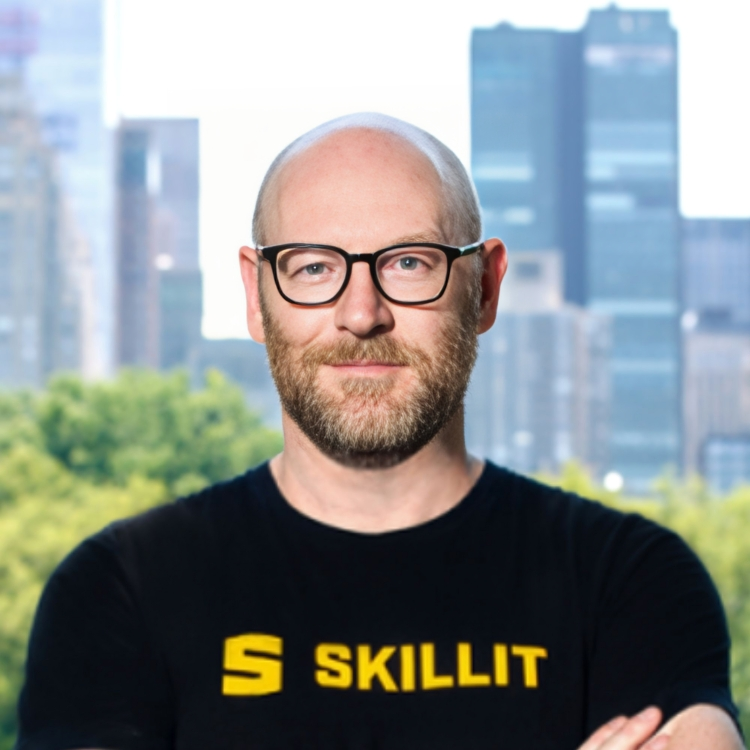
Fraser Patterson
CEO and Founder of Skillit
Fraser Patterson, CEO and Founder of Skillit: $13 Million Raised to Tackle the Skilled Labor Crisis in Construction


Stephanie Seril
Head of Marketing of Tough Leaf
CMO’s Guide to Saying No to Your Board and Keeping Your Job

Nick Hegeman
CEO and Co-Founder of Paintjet
Nick Hegeman, CEO & Co-Founder of Paintjet: $17 Million Raised to Build the Future of Commercial Painting with Robotics


Josh Levy
CEO & Co-Founder of Document Crunch
Josh Levy, CEO & Co-Founder of Document Crunch: $38 Million Raised to Transform Construction Risk Management Through AI


Mark Zurada
Co-Founder of PinPoint Analytics
Mark Zurada, Co-Founder of PinPoint Analytics: $4 Million Raised to Transform Public Works Bidding with AI


Nitin Bhandari
CEO & Co-Founder of Planera
Nitin Bhandari, CEO & Co-Founder of Planera: $19 Million Raised to Transform Construction Scheduling Technology


Alexandre Teplitxky
Senior Vice President of Marketing of SmartPM Technologies
How to Win with Original Research Featuring SmartPM’s Alexandre Teplitxky


Nathan Silvernail
Co-Founder and CEO of Plantd
How Plantd identified business process inefficiencies as a competitive wedge in building materials | Nathan Silvernail


Brian Giamo
CEO & Co-Founder of Activate OS
Brian Giamo, CEO & Co-Founder of Activate OS: Raising $4M+ to Build an Equipment Management Operating System for Construction

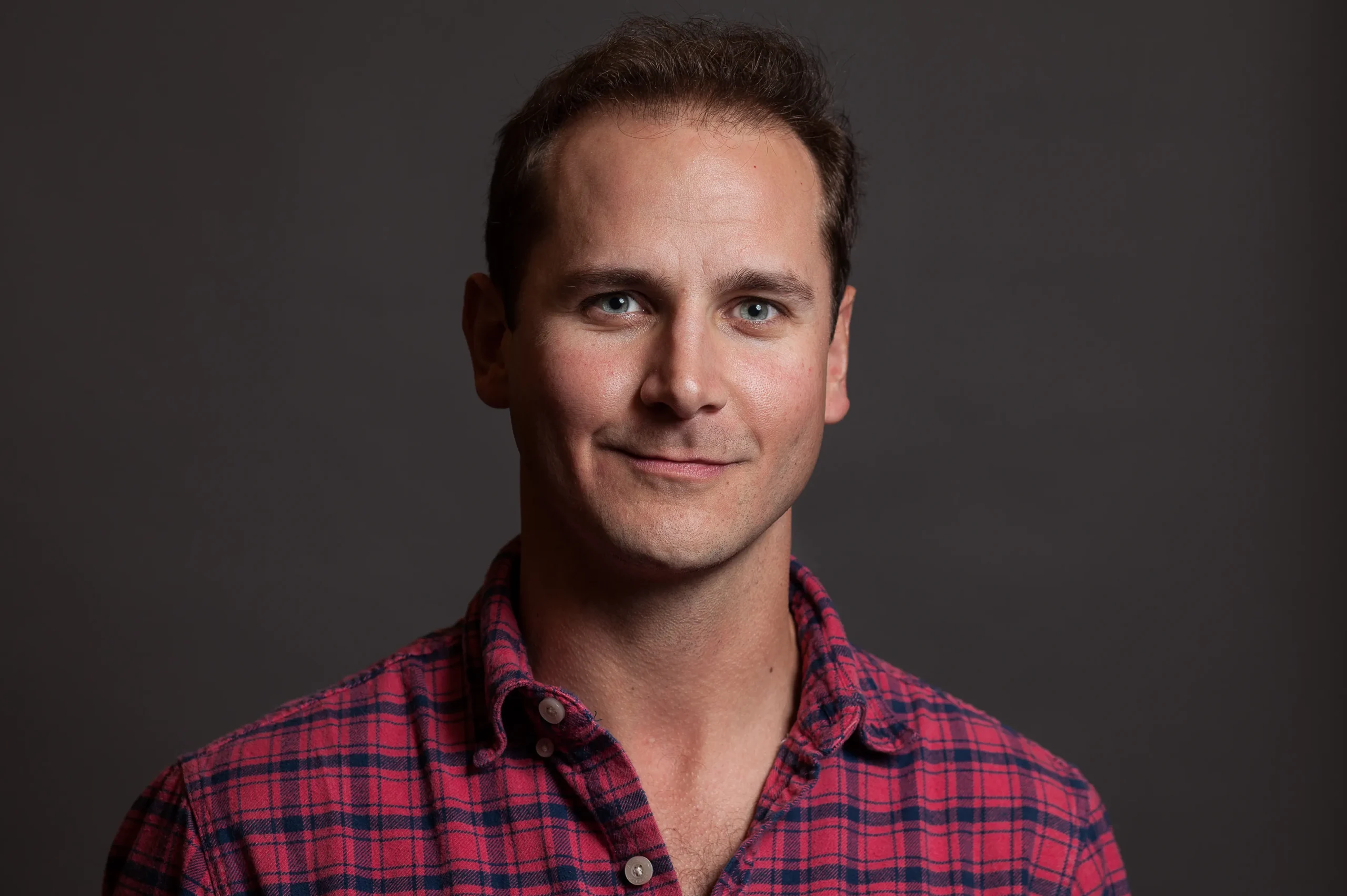
Zach Scheel
CEO of Rhumbix
Zach Scheel, CEO of Rhumbix: $46 Million Raised to Transform Construction Workforce Management


Luke Hansen
CEO and Founder of CompanyCam
Luke Hansen, CEO and Founder of CompanyCam: $38 Million Raised to Build the Future of Visual Communication for Contractors

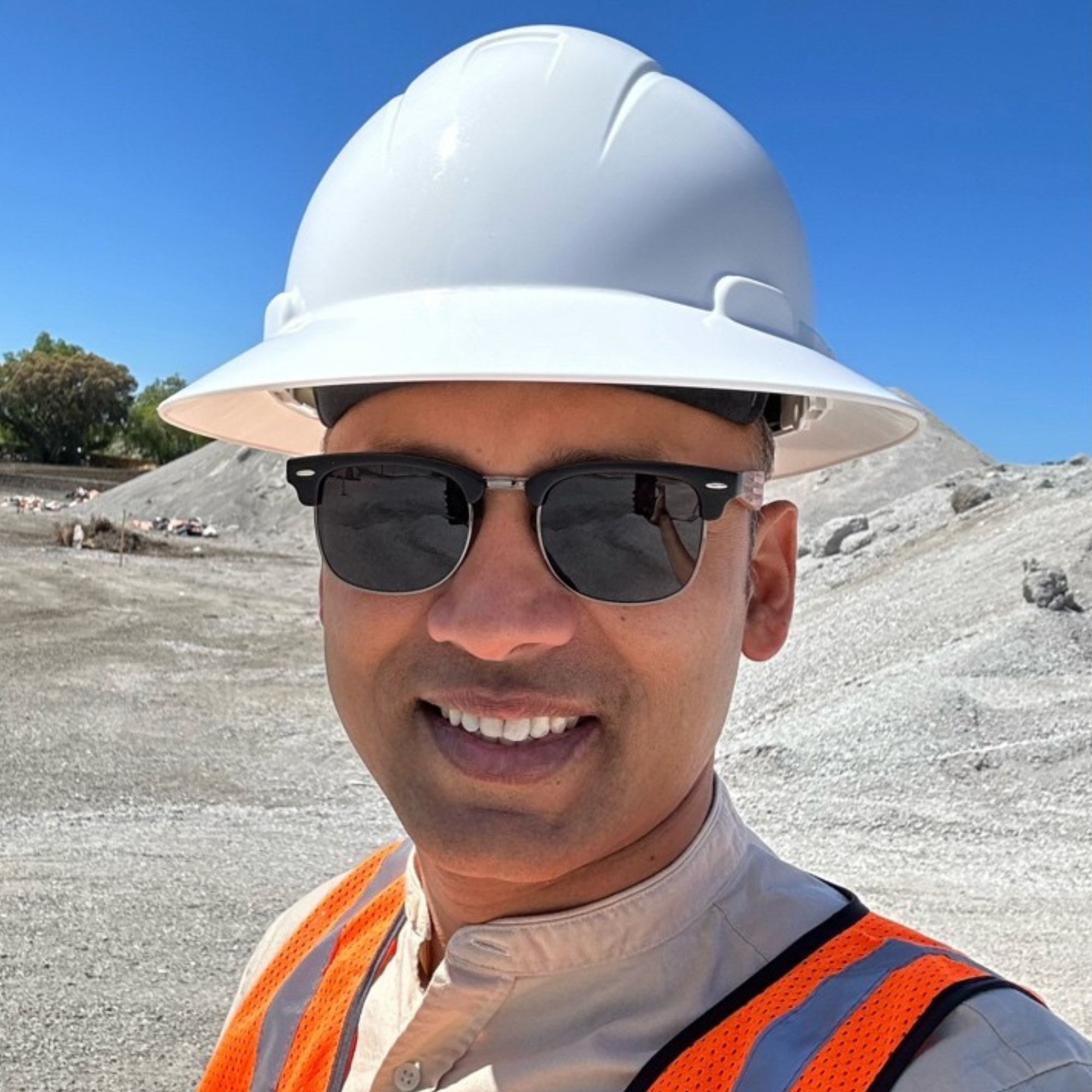
Amar Amte
CEO & Founder of Pegbo
Amar Amte, CEO & Founder of Pegbo: $1.4 Million Raised to Transform Construction Supply Chain Diversity


Wyatt Smith
CEO and Founder of UpSmith
Wyatt Smith, CEO and Founder of UpSmith: $3.3 Million Raised to Fill the Skilled Labor Gap


Lindsay Powers
Senior Vice President of Marketing of STACK Construction Technologies
How STACK Built a Custom GPT to Close Content Gaps

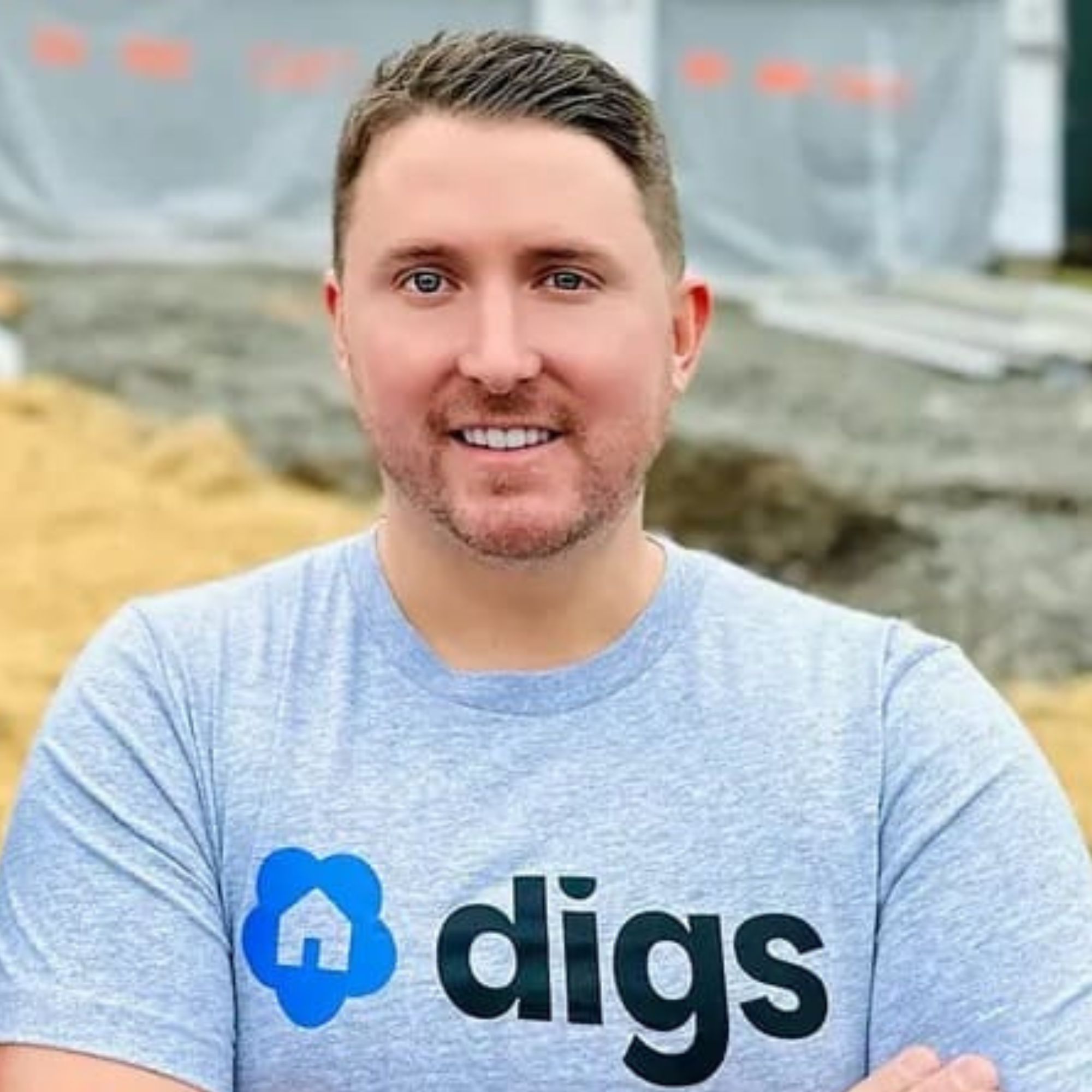
Ryan Fink
CEO & Co-Founder of Digs
Ryan Fink, CEO & Co-Founder of Digs: $14 Million Raised to Power the Future of AI Collaboration for Builders