Ready to build your own Founder-Led Growth engine? Book a Strategy Call

Frontlines.io | Where B2B Founders Talk GTM.
Strategic Communications Advisory For Visionary Founders



Actionable
Takeaways
Protect Headcount Over Agency Spend During Budget Cuts:
When Joyce faced a $150K budget cut (30% of her $500K annual budget), she preserved her two-person team and eliminated agencies instead. While painful short-term, this forced her to internalize expertise and build sustainable internal capabilities. The constraint became the catalyst for developing partner marketing programs that ultimately recovered half the lost budget through cost-sharing arrangements.
Structure Partner Marketing Around Cost-Sharing, Not Just Co-Marketing:
Joyce built a three-tier partner marketing framework: zero-cost LinkedIn Lives for thought leadership, sponsored webinars through third-party media outlets with shared costs, and joint trade show booths where multiple partners exhibited together. This approach transformed manufacturing tool brands like Ingersoll Rand, Mazak, and Fanuc from potential competitors for booth space into collaborative marketing partners who split expenses while accessing each other's customer bases.
Reframe Budget as Fuel, Not the Bottleneck:
The real constraint isn't budget—it's reach. Joyce recognized that slashing marketing spend wasn't the fundamental problem; activating new audiences and resonating with the right message was. Budget accelerates reach, but doesn't create it. This perspective shift enabled her to identify partner marketing as the strategic solution: leveraging partners' existing audiences and open API integrations to expand reach without proportional budget increases.
Build Marketing Teams for Efficiency Before Expansion:
With a company of 25 people, Joyce deliberately keeps her marketing team at two people plus herself. Rather than lobbying for headcount growth, she's investing in a custom GPT copilot and exploring AI tools for ideation and heavy lifting. This efficiency-first approach creates organizational discipline that prevents the "meetings about needing more resources" syndrome she witnessed at GE, where 12 directors perpetually felt under-resourced.
Master Communication Before Mastering Tactics:
Joyce attributes her marketing philosophy to observing her parents struggle with communication throughout their lives—in business negotiations, team management, and family relationships. She recognized early that strong communication skills unlock recruiting, convincing, and enrollment. For marketers, this means storytelling and listening skills matter more than technical execution. Joyce recommends John Maxwell's "Leadershift" for anyone navigating leadership transitions, emphasizing that behavioral adaptation requires both self-awareness and the ability to enroll others in change.
Evaluate Startup Fit Through Hunger, Not Skills:
When advising marketers considering startups, Joyce uses one criterion: hunger. Hunger to learn, hunger to work, hunger to build something new. Technical skills can be developed, but the willingness to operate without safety nets, navigate ambiguity, and internalize expertise when agencies disappear requires intrinsic motivation. She views each startup as "an MBA you don't pay for"—three years at GE felt resource-rich but development-poor compared to the accelerated learning curve of startup environments.
Normalize Behavioral Constraints Over Physical Constraints:
Most marketing constraints aren't actually budget or headcount—they're behavioral. Joyce identifies reluctance to abandon familiar playbooks as the primary bottleneck for scaling. This requires self-awareness (acknowledging what's not working) and leadership (enrolling teams in new approaches). For 2025, her biggest lesson is "be adaptable and don't think you know everything," while her 2026 priority is ensuring her team becomes genuinely comfortable with AI tools as force multipliers.
Conversation
Highlights
In this episode of The Marketing Front Lines, we speak with Joyce Yeung, VP of Marketing at Pico MES. Joyce brings a contrarian perspective forged through experience at both enterprise (GE) and four different startups. At Pico MES, a 25-person manufacturing software company, she leads a lean two-person marketing team with a $500K annual budget. When faced with a sudden 30% budget cut mid-year while maintaining aggressive growth targets, Joyce demonstrated how behavioral adaptation and strategic constraint navigation unlock innovation that larger budgets cannot buy. Her journey from GE’s 12-director marketing team to startup marketing leadership reveals the mindset shifts required to thrive in resource-constrained environments.
Topics Discussed:
- Operating effectively within severe budget constraints
- Building scalable partner marketing programs that split costs and expand reach
- Transitioning from enterprise to startup marketing environments
- Developing self-awareness to break ineffective habits and old playbooks
- Leveraging AI tools for marketing efficiency without expanding headcount
- Creating custom GPT copilots for marketing teams
- Prioritizing communication skills as the foundation of marketing excellence
- Evaluating whether startup marketing is the right career path
Recommended Founder
Interviews


Camila Panizzi Luz
Director of Global Marketing of Smartex
Camila Panizzi Luz, Director of Global Marketing at Smartex: Revolutionizing Fabric Inspection


Brandon Lucia
CEO & Co-Founder of Efficient Computer
Brandon Lucia, CEO & Co-Founder of Efficient Computer: $16 Million Raised to Build the World’s Most Energy-Efficient Programmable Computers


Dan Koukol
CEO & Co-founder of Digit
Dan Koukol, CEO & Co-founder of Digit: $3.3 Million Raised to Modernize ERP with AI-Powered Systems of Progress


Stephany Lapierre
CEO of Teal Book
Stephany Lapierre, CEO of Teal Book: Over $72 Million Raised to Build the Supplier Data Platform Category


Mars Geuze
CHO and Co-Founder of Hardt Hyperloop
Mars Geuze, CHO and Co-Founder of Hardt Hyperloop: Over €36 Million Raised to Make Hyperloops a Reality


Matthew Wright
CEO and Founder of Specright
Matthew Wright, CEO and Founder of Specright: $45 Million Raised to Build the Specification Data Management Category


Mousa Yassin
CEO and Founder of Pixaera
Mousa Yassin, CEO and Founder of Pixaera: $5.7 Million Raised to Build the Future of VR Safety Training


Peter Howard
President & CEO of Realtime Robotics
Peter Howard, CEO of Realtime Robotics: $70 Million Raised to Build Manufacturing Automation Platform


Batist Leman
CEO and Co-Founder of Azumuta
Batist Leman, CEO and Co-Founder of Azumuta: $3 Million Raised to Power the Future of Connected Workers


Anthony Jules
CEO & Co-Founder of Robust AI
Anthony Jules, CEO & Co-Founder of Robust AI: $42 Million Raised to Power the Future of Robotics with Collaborative Mobile Robots


Brian Lozes
CEO & Founder of Kinemagic
Brian Lozes, CEO & Founder at Kinemagic: $3 Million Raised to Power the Future of Industrial Immersive Experiences


Berk Birand
CEO and Co-Founder of Fero Labs
Berk Birand, CEO & Co-Founder of Fero Labs: $28 Million Raised to Build the Profitable Sustainability Category


Andrew Scheuermann
CEO of Arch Systems
Andrew Scheuermann, CEO of Arch Systems: $25 Million Raised to Help Organizations Unlock Factory Data to Drive Factory Improvements


Christian Stein
CEO & Co-Founder of Threedy
Christian Stein, CEO & Co-Founder of Threedy: $11.5M Raised to Power the Future of Industrial 3D Computing Infrastructure


Oz Rodriguez
Head of Product and Marketing of Akselos
Building Marketing for a Category That Doesn’t Exist Yet

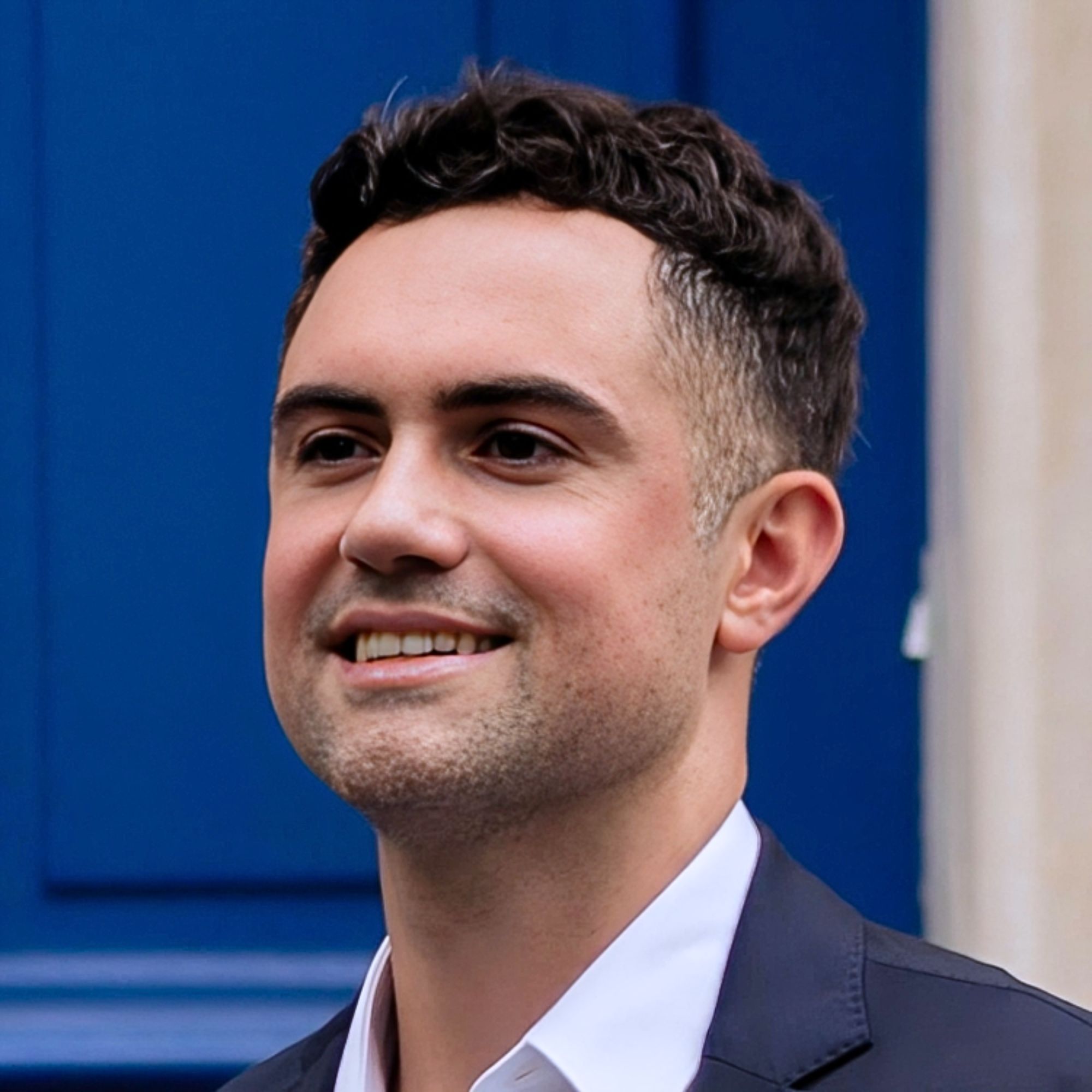
Carl Standertskjold-Nordenstam
Head of Marketing of Inbolt
How Word-of-Mouth Drives Industrial B2B Deals at Scale


Asad Tirmizi
Founder of Trener Robotics
How Trener Robotics partnered with 3 of the 5 largest robot OEMs | Asad Tirmizi


Simon Jagers
Founder of Samotics
Simon Jagers, Founder of Samotics: $80 Million Raised to Build the Data Fabric of Smart Factories Through Sensorless Industrial Monitoring


Shelley Copsey
CEO and Co-Founder of FYLD
Shelley Copsey, CEO & Co-Founder of FYLD: $48 Million Raised to Transform Field Work Execution Category

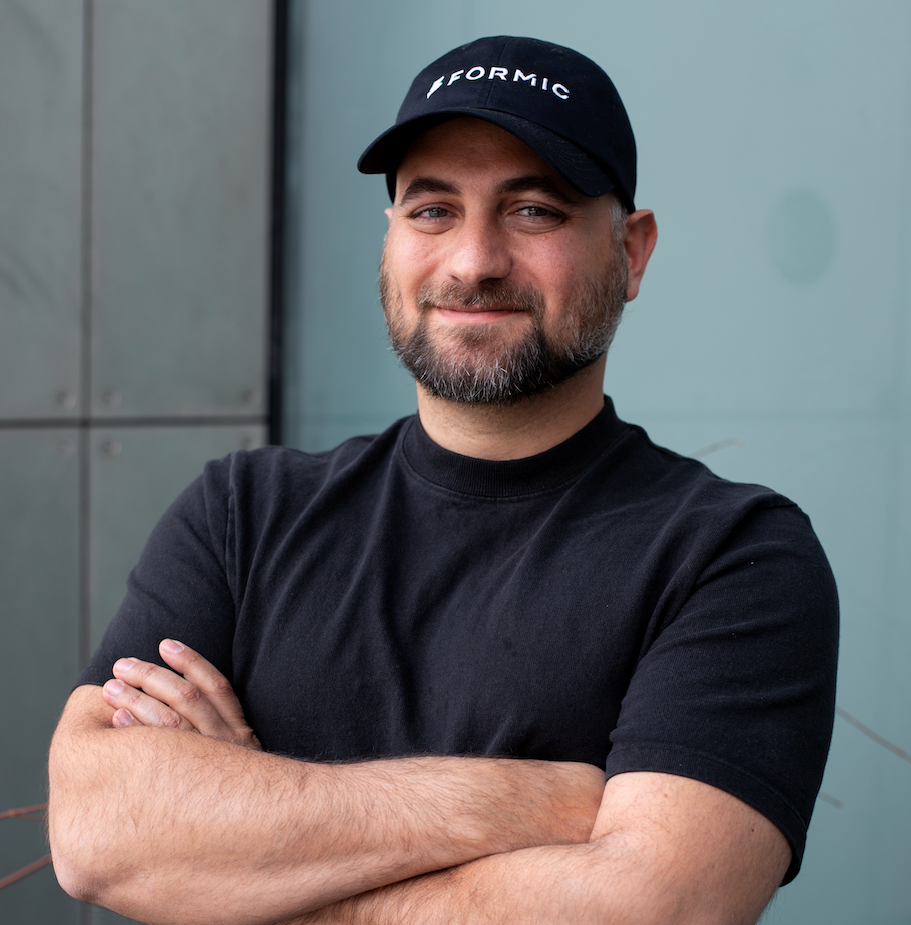
Saman Farid
CEO & Founder of Formic
Saman Farid, CEO & Founder of Formic: $60 Million Raised to Build the Future of Robots-as-a-Service (RaaS)

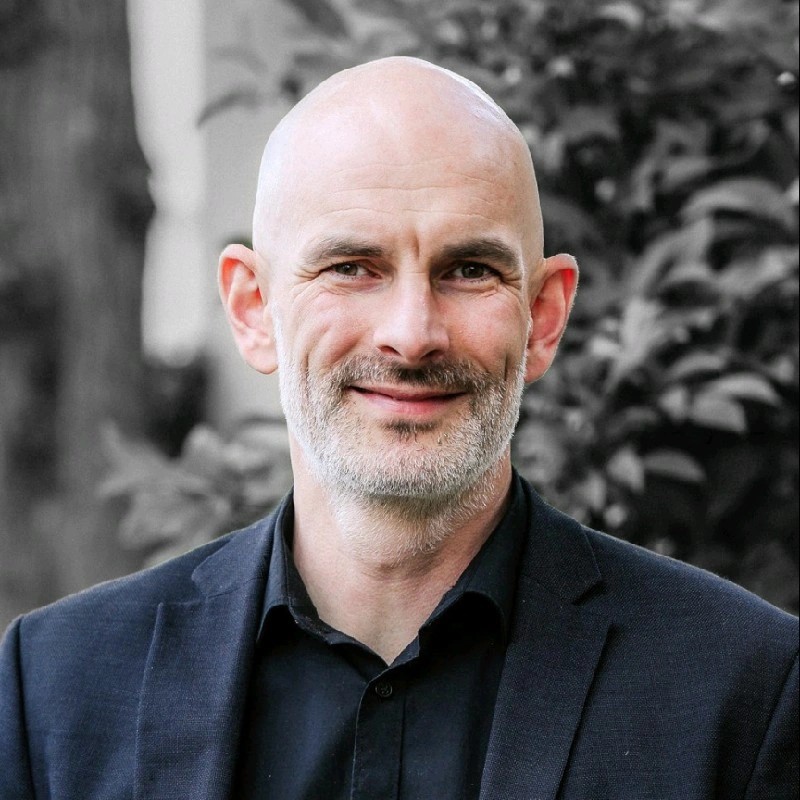
Patrick Heissler
CEO of Scrona
Patrick Heissler, CEO of Scrona: $15.5M Raised to Transform High-Precision Manufacturing with Next-Gen Printing Technology


Jacob Grose
CEO & Co-Founder of Copernic Catalysts
How Copernic Catalysts landed top-5 global ammonia producers as testing customers in year one | Jacob Grose ($10M Raised)


Karan Talati
CEO & Co-Founder of First Resonance
Why First Resonance killed their PLG motion and rebuilt for enterprise manufacturing sales | Karan Talati


Vernon O’Donnell
CEO of Voxel AI
Why Voxel’s CEO believes technical moats died in 2019 and what replaced them | Vernon O’Donnell


Kaitlyn Chiu
Head of Marketing of Partful
Trade Pubs Over TechCrunch: Rethinking B2B PR Strategy


David Campbell
CEO and Co-Founder of Tropic
David Campbell, CEO and Co-Founder of Tropic: $68 Million Raised to Redefine SaaS Procurement


Gerry Abbey
Head of Marketing of Copia Automation
How to Use Original Research to Power Your Content Strategy


Claudius Jehle
CEO & Co-Founder of Volytica Diagnostics
Claudius Jehle, CEO & Co-Founder of Volytica Diagnostics: $9 Million Raised to Build the Future of Battery Diagnostics


Sundeep Ravande
CEO and Co-Founder of Innovapptive
Sundeep Ravande, CEO and Co-Founder of Innovapptive: $42 Million Raised to Power the Connected Worker Revolution


Sercan Esen
CEO & Co-Founder of Intenseye
Sercan Esen, CEO & Co-Founder of Intenseye: $93 Million Raised to Transform Workplace Safety Through AI-Powered Computer Vision

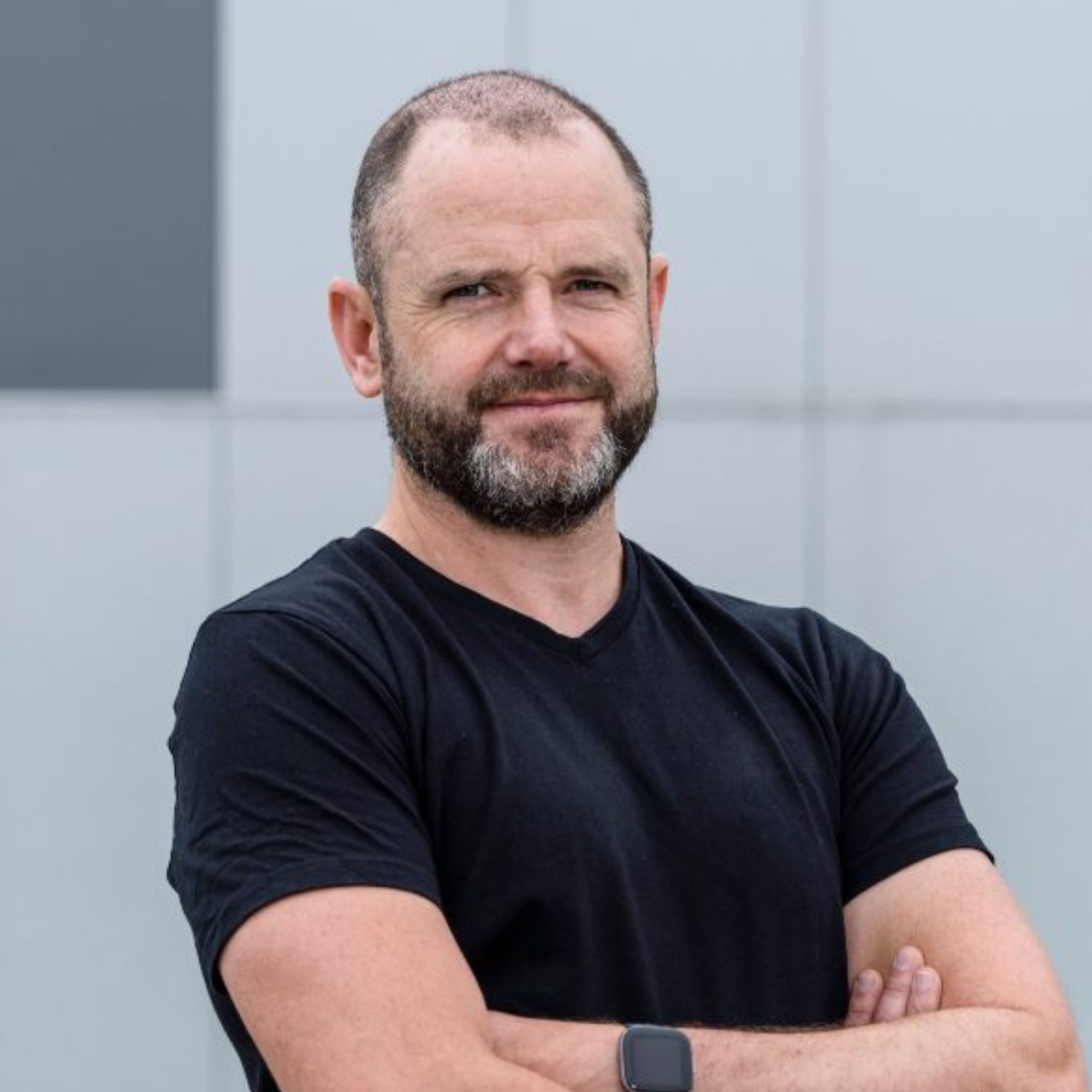
Barry Lunn
CEO & Founder of Provizio
Barry Lunn, CEO & Founder of Provizio: $11 Million Raised to Power the Future of Vehicle Safety


Annika Björkholm
VP of Marketing of L2L
Why Your B2B Playbook Fails in Industrial Marketing


Rajesh Iyengar
CEO & Founder of Lincode
How Lincode’s move from Silicon Valley to Michigan accelerated automotive customer acquisition | Rajesh Iyengar


Jillian Childs
VP of Marketing of Turntide Technologies
ow a 4-Person Marketing Team Grew Website Traffic 400%


Dave Copps
CEO of Worlds
Dave Copps, CEO of Worlds: $31 Million Raised to Power the Future of Industrial Automation