Ready to build your own Founder-Led Growth engine? Book a Strategy Call

Frontlines.io | Where B2B Founders Talk GTM.
Strategic Communications Advisory For Visionary Founders



Actionable
Takeaways
Speed Over Perfection in Early Stages
Elad emphasizes optimizing for speed when building a new company. By focusing on rapid execution, Synthpop was able to get its first paying customer before taking investor money. This approach allowed them to prove value quickly and align their priorities around what was important for growth. Founders should focus on getting early customer traction before scaling too quickly.
Leverage Vertical-Specific Insights for GTM Success
Synthpop's focus on specific healthcare verticals, such as durable medical equipment and diagnostic testing, allowed them to target less saturated markets that are more open to innovation. For B2B founders, narrowing focus to high-opportunity niches can help accelerate adoption and make the GTM process more effective.
Position as a Labor Solution, Not Just Software
Instead of positioning Synthpop as a SaaS tool, Elad and his team framed their offering as a labor-saving solution. By focusing on how their AI agents perform tasks typically done by employees, they created a unique value proposition that made it easier for customers to adopt their product. Founders should think about positioning their product in terms that solve their customers' immediate operational pain points.
Pre-sell and Validate Before Fundraising
Before taking investment, Elad validated his idea by securing commitments from paying customers. This not only reduced the risk for investors but also ensured they were building something with real demand. Early-stage founders can learn from this approach by ensuring there's tangible market demand before fundraising or scaling operations.
AI is a Tool, Not the Story
Elad sees AI as a means to an end, not the end itself. He predicts that in five years, the term “AI” will no longer be a selling point; instead, the focus will be on the intelligence and efficiency it enables. For founders, this means emphasizing outcomes and value over the technology itself when crafting messaging and positioning.
Conversation
Highlights
How Synthpop Built AI Agents That Resolve 93% of Customer Support Tickets Autonomously
In a recent episode of Category Visionaries, Elad Ferber, CEO of Synthpop, shared how his company is pioneering a fundamentally different approach to customer support automation. Unlike traditional chatbots that simply deflect tickets, Synthpop’s AI agents actually resolve customer issues end-to-end—and they’re doing it at scale.
The Problem with Traditional Support Automation
Most companies attempting to automate customer support hit the same wall. They deploy chatbots that can answer simple questions, but the moment complexity enters the picture, these systems fail spectacularly. Elad identified the core issue: “The vast majority of agents out there, they don’t have any access to your back end systems. They don’t have any access to your database. They’re just LLMs that are trained on text, and they’re trying to provide good answers based on that text.”
This limitation means traditional chatbots can only handle straightforward FAQs. When a customer needs their subscription upgraded, a refund processed, or account information updated, the bot hands off to a human agent. The result? Companies automate maybe 20-30% of their support volume while still paying for the infrastructure and facing customer frustration.
Synthpop took a radically different path. Instead of building another chatbot layer, they built AI agents that can actually execute actions across a company’s entire tech stack.
Building Agents That Actually Do Things
The breakthrough came from rethinking what an AI agent should be capable of. Elad explains the architecture: “We give agents access to all the tools that your support agents have access to. So that means access to Stripe, access to your database, access to your own internal APIs, to Salesforce, to your CRM.”
This isn’t just about reading data—it’s about taking action. When a customer asks for a refund, Synthpop’s agent doesn’t just acknowledge the request. It verifies the customer’s identity, checks the refund policy, processes the refund through Stripe, updates the CRM, and confirms completion with the customer. All without human intervention.
The technical implementation requires solving several hard problems simultaneously. The agents need to understand natural language requests, map those requests to specific actions across multiple systems, handle authentication and permissions correctly, and manage complex multi-step workflows. Elad’s team spent years building the infrastructure to make this possible.
The 93% Resolution Rate
Synthpop’s agents achieve something remarkable: they fully resolve 93% of customer interactions autonomously. This isn’t ticket deflection or partial automation—these are complete resolutions where the customer’s problem is entirely solved without any human agent involvement.
The remaining 7% represents genuinely complex cases that require human judgment. As Elad notes, “There’s always going to be the super long tail of one off edge cases that require human intervention.” But by handling the vast majority autonomously, Synthpop’s agents fundamentally change the economics of customer support.
The GTM Strategy: Targeting High-Volume Support Teams
Synthpop’s go-to-market approach focuses on companies with specific characteristics. Their ideal customers are B2C or B2B2C companies with high support volumes—think e-commerce, fintech, SaaS platforms serving end consumers. These companies typically handle thousands or tens of thousands of support tickets monthly.
The sales process involves a detailed discovery phase where Synthpop analyzes a prospect’s support ticket history. Elad describes the approach: “We actually go through historical support tickets with customers and kind of go tag by tag and kind of map out, okay, how much of your support volume can we actually automate?”
This data-driven analysis gives prospects concrete projections of automation rates and cost savings before they commit. It also helps Synthpop identify which integration work will deliver the highest ROI, allowing them to prioritize development accordingly.
The Integration Challenge
Every customer deployment requires custom integration work. Synthpop needs to connect to each company’s specific tech stack—their payment processor, database, CRM, internal APIs, and proprietary systems. This presents both a challenge and a competitive moat.
Elad acknowledges the complexity: “Every company’s different and has a different tech stack, different tools.” But this customization requirement also makes Synthpop incredibly sticky once deployed. After investing in the integration work and training the agents on company-specific policies and workflows, switching costs become prohibitive.
The team has built reusable components for common integrations—Stripe, Salesforce, major e-commerce platforms—which accelerates deployment for new customers. But there’s always custom work required to handle each company’s unique business logic and edge cases.
Lessons on Pricing and Positioning
Synthpop’s pricing model evolved through experimentation. They charge per resolution rather than per seat or per ticket volume. This aligns incentives: customers only pay when the AI agent successfully resolves an issue.
Elad shared a key insight about pricing psychology in the AI agent space: “I think a lot of companies are still hesitant to pay a lot for AI agents because AI is so new.” Rather than trying to capture the full value created immediately, Synthpop prices to accelerate adoption, knowing they can expand revenue as customers see results.
The positioning has also sharpened over time. Early on, Synthpop described themselves as an “AI agent platform.” Now they lead with the outcome: autonomous customer support that actually resolves issues. This shift from technology-first to outcome-first messaging has improved conversion rates significantly.
The Vision for Autonomous Operations
Looking ahead, Elad sees customer support as just the beginning. “Customer support is a great wedge because it’s like one of the most standardized and routine business processes,” he explains. But the same architectural approach—giving AI agents tool access and the ability to execute actions—can extend to sales, operations, back-office functions, and more.
The key insight is that most business processes are more routine and automatable than people assume. They just require agents that can actually interact with systems rather than merely conversing with humans. As Elad’s team proves out this model in customer support, they’re building toward a future where AI agents handle entire categories of business operations autonomously.
For founders building in the AI agent space, Synthpop’s journey offers a critical lesson: the real value isn’t in building better conversational interfaces. It’s in building agents that can actually execute actions across a company’s full tech stack. That’s where automation becomes transformation.
Recommended Founder
Interviews

Rafid Fadul
CEO and Co-Founder of Zivian Health
Rafid Fadul, CEO and Co-Founder of Zivian Health: $3 Million Raised to Power the Future of Compliant Healthcare Collaborations


Henry O’Connell
CEO & Founder of Canary Speech
Henry O’Connell, CEO & Founder of Canary Speech: $26 Million Raised to Build the Future of Vocal Biomarker Technology

Matt Renfro
Co-Founder & CEO of Lynx
Matt Renfro, CEO of Lynx: $17.5 Million raised to Bring Modern Fintech to Healthcare

Nabeel Kaukab
Founder and CEO of Phamily
How Phamily built an eight-figure ARR healthcare company without discounting: The subsidized R&D approach | Nabeel Kaukab ($25M Raised)

Nick Soman
CEO & Founder of Decent
Nick Soman, CEO & Founder of Decent: $43 Million Raised to Build the Future of Direct Primary Care

Richard Queen
CEO and Co-Founder of DignifiHealth
Richard Queen, CEO and Co-Founder of DignifiHealth: $7 Million Raised to Drive Better Patient Outcomes in Rural Healthcare and Beyond

Alex Zekoff
CEO and Co-Founder of Thoughtful AI
Alex Zekoff, CEO and Co-Founder of Thoughtful AI: $21 Million Raised to Power the Future of Healthcare Automation

Joe Gagnon
CEO of 1upHealth
Joe Gagnon, CEO at 1upHealth: Over $75 Million Raised to Build the Future of Healthcare Data

Galia Rosen Schwarz
CEO & Co-Founder of C8 Health
How C8 Health broke into more than 100 hospital systems | Galia Rosen Schwarz


James Bates
CEO and Founder of AdviNOW Medical
James Bates, CEO and Founder of AdviNOW Medical: $24 Million Raised to Build the Future of AI-Powered Healthcare


Armon Sharei
CEO & Founder of Portal
Armon Sharei, CEO & Founder of Portal: $5 Million Raised to Power the Future of Cell Engineering

Derek Streat
Co-Founder & Chief Executive Officer of Dexcare
Derek Streat, CEO of Dexcare: $110 Million Raised to Help Health Systems to Find Time for the Best Care

Veer Gidwaney
CEO & Founder of Ansel Health
Veer Gidwaney, CEO & Founder of Ansel Health: $50 Million Raised to Transform Supplemental Health Insurance

Thomas Knox
CEO & Founder of VitVio
Thomas Knox, CEO & Founder of VitVio: $10 Million Raised to Transform Surgical Operations Through AI-Powered Automation


Danny Freed
CEO & Founder of Blueprint
Danny Freed, CEO & Founder of Blueprint: $13.7 Million Raised to Build the Future of Therapist Enablement



Oliver Kharraz
CEO & Founder of Zocdoc
How Zocdoc survived near death, increased prices up to 100x, and turned around the company | Oliver Kharraz

Jack McInnes
Director of Marketing of Corti AI
Building Developer Trust in Healthcare AI Without Hype

Daniel Lambert
CEO of PathologyWatch
Daniel Lambert, CEO of PathologyWatch: Over $50 Million Raised to Build the Future of Digital Pathology


Mark Lehmkuhle
CEO & Founder of Epitel
Mark Lehmkuhle, CEO & Founder of Epitel: $20 Million Raised to Build the Future of Brain Health Monitoring

Brandon Young
CMO of Garner Health
Why Marketing Lost Its Craft (And How AI Could Force It Back)


Amar Kendale
President and Co-Founder of Homeward
Amar Kendale, President & Co-Founder of Homeward: $70 Million Raised to Transform Rural Healthcare Through Technology


Dr Thomas Oakley
CEO of Feedback PLC
Dr Thomas Oakley, CEO of Feedback PLC: £20 Million Raised to Build the Future of Patient Data Sharing

Colin Lawlor
CEO & Founder of Sleep ai
How Sleep AI built an 8-year data moat before hiring their first salesperson | Colin Lawlor


Viral Patel
Founder and CEO of Radish Health
Viral Patel, CEO of Radish Health: $5 Million Raised to Connect Employees with a Better Healthcare Experience

Ty Allen
CEO of SocialClimb
Ty Allen, CEO of SocialClimb: $12 Million Raised to Power the Future of Healthcare Marketing

Trey Sutten
CEO & Co-Founder of Siftwell Analytics
Trey Sutten, CEO & Co-Founder of Siftwell Analytics: $5 Million Raised to Transform Healthcare Analytics with AI-Powered Predictions


Marshall Darr
CEO & Co-Founder of StretchDollar
How StretchDollar drives leads from LLM search | Marshall Darr


Mariano García-Valiño
Founder, Chief Engineer and CEO of Axenya
How Axenya achieved cash flow positive before Series A by proving recontract capability | Mariano García-Valiño

Teodor Grantcharov
Founder of Surgical Safety Technologies Inc.
How Surgical Safety Technologies targeted the most challenging customers first (massive hospitals) | Teodor Grantcharov


Corey Washington
Senior Marketing Manager of Amenities Health
Humanizing Healthcare Tech: Marketing Lessons from Amenities


Omer Maman
VP of Marketing of Healthee
Why AI Should Enhance, Not Replace Your Marketing Team

Ganesh Padmanabhan
CEO & Founder of Autonomize AI
How Autonomize AI built credibility with healthcare buyers | Ganesh Padmanabhan

Matt Pavelle
Co-founder and co-CEO of Doctronic
How Doctronic became the first AI licensed to practice medicine through Utah’s regulatory sandbox | Matt Pavelle

Ignacio Medrano
Founder & CMO of Savana
Ignacio Medrano, Founder & CMO of Savana: $44M Raised to Transform Healthcare Intelligence Through AI

Scott Chetham
CEO & Co-Founder of
The ROI system Faro Health uses to convert enterprise pilots | Scott Chetham

Alexandra Ferraro
Head of Marketing of Intelligencia AI
Beyond Perfect: Healthcare Tech Marketing That Drives Real Revenue

Brad Kittredge
CEO & Co-Founder of Brightside
Brad Kittredge, CEO & Co-Founder of Brightside: $150 Million Raised to Build the Future of Mental Healthcare

Elizabeth Wiet
Senior Vice President Marketing of VieCure
Why This Healthcare Marketer Is Abandoning Trade Show Booths w Elizabeth Wiet

Ian Prendergast
CEO and Co-Founder of Toothio
How Toothio built credibility as non-industry founders through strategic SME hires | Ian Prendergast


Austin McChord
CEO of Casana
Austin McChord, CEO of Casana: Over $46 Million Raised to Create the Future of In-Home Health Monitoring

Ophir Ronen
CEO of CalmWave
How CalmWave positioned transparent AI over black box algorithms to win hospital C-suite validation | Ophir Ronen


Michael Chang
Mastering Market Fit in AI: Insights from Michael Chang, Director of Marketing at ArteraAI

Hala Borno
Founder and CEO of Trial Library
Hala Borno, Founder and CEO of Trial Library: $5M Raised to Improve Patient Recruitment and Diversity in Oncology Clinical Trials

Andreas Cleve
CEO and Co-Founder of Corti
Andreas Cleve, CEO and Co-Founder of Corti: $32 Million Raised to Power the Future of Patient Consultations

Cesar Herrera
CEO and Co-Founder of Yuvo Health
Cesar Herrera, CEO and Co-Founder of Yuvo Health: $28 Million Raised to Revolutionize Healthcare Access

Stacy Edgar
CEO and Co-Founder of Venteur
Stacy Edgar, CEO & Co-Founder of Venteur: $7.6 Million Raised to Build the Future of Health Insurance

Matthew Stoudt
CEO and Founder of AppliedVR
Matthew Stoudt, CEO and Founder of AppliedVR: Over $70 Million Raised to Build the Future of Chronic Pain Relief

Rishi Nayyar
CEO and Co-Founder of PocketHealth
Rishi Nayyar, CEO and Co-Founder of PocketHealth: $22.5 Million Raised to Power the Future of Medical Image Sharing

Todd Zion
Founder of Akston Biosciences
Todd Zion, Founder of Akston Biosciences: From a $500M Exit to Pioneering Biotech Innovation in Pet Health

Kourosh Davarpanah
Co-Founder and CEO of Inato
Kourosh Davarpanah, Co-Founder and CEO of Inato: Over $35 Million Raised to Build the Future of Clinical Trials

Rebecca McNeil
VP of Marketing of SureCost
Why This VP of Marketing Abandoned Paid Media Completely

Dimitrios Skaltsas
CEO & Co-Founder of Intelligencia AI
Dimitrios Skaltsas, CEO & Co-Founder of Intelligencia AI: $15.5 Million Raised to Build the Future of Drug Development

Samson Magid
Co-Founder and CEO of HealthSnap
Samson Magid, Co-Founder and CEO of HealthSnap: Over $12 Million Raised to Build the Future of Remote Patient Monitoring


Amy Brown
CEO and Founder of Authenticx
Amy Brown, CEO and Founder of Authenticx: $28 Million Raised to Build the Future of Listening AI

Mike Desjadon
CEO of Anomaly
Why Anomaly avoids annual curiosity revenue (ACR) — and you probably should to | Mike Desjadon ($30M Raised)

Kristen Valdes
CEO & Founder of B.well
Kristen Valdes, CEO & Founder of B.well: $100 Million Raised to Reimagine the Healthcare Experience

Karsten Miermans
CEO of hema.to GmbH
How hema.to uses clinical evidence as their core marketing strategy in healthcare AI | Karsten Miermans

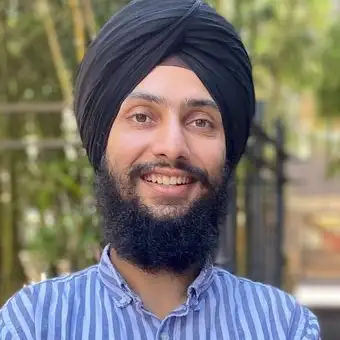
Dilpreet Sahota
CEO of Trek Health
Dilpreet Sahota, CEO of Trek Health: $3 Million Raised to Help Mental Health Providers Accept Insurance

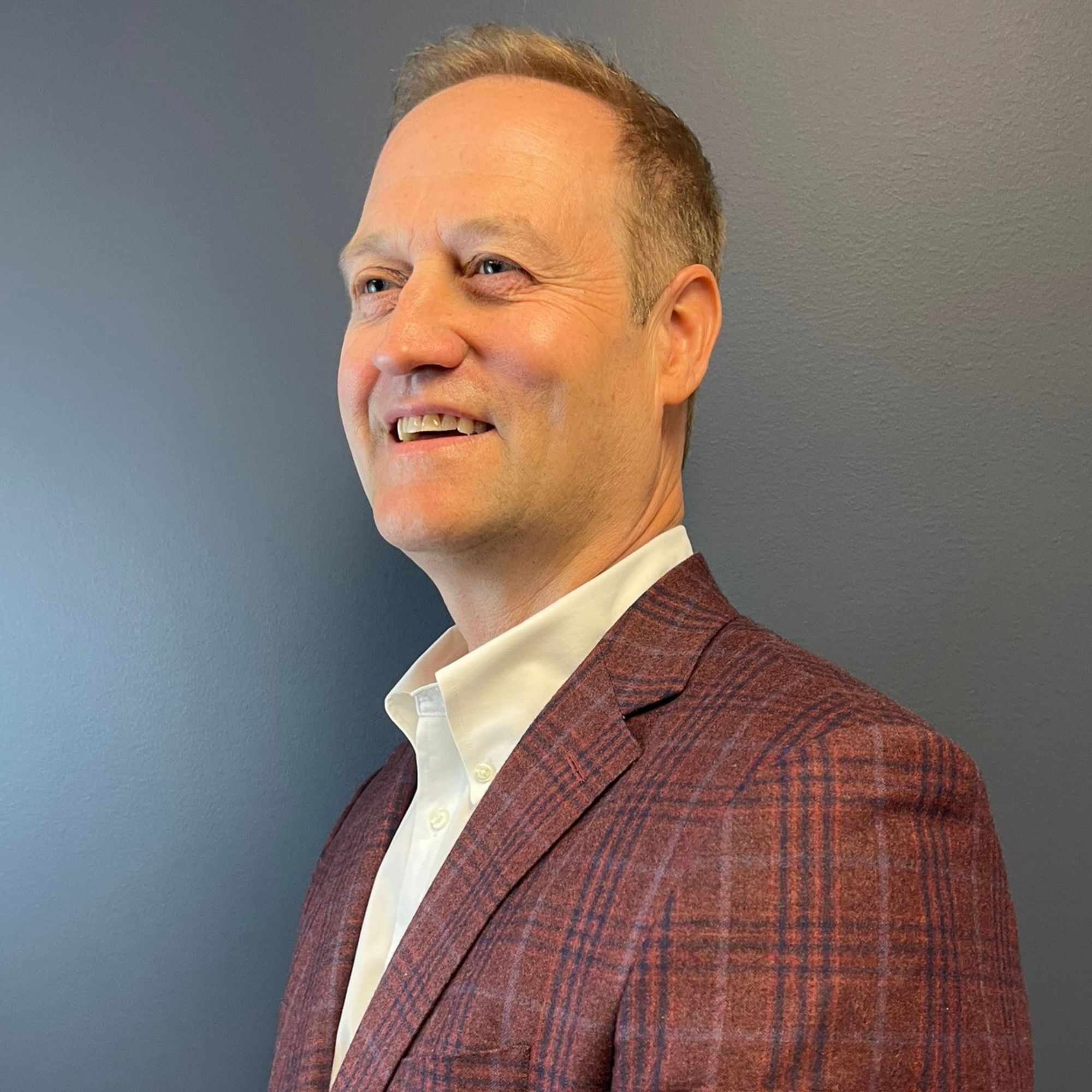
Justin Dearborn
Founder & CEO of Praia Health
Justin Dearborn, Founder & CEO of Praia Health: $20 Million Raised to Build the Future of Consumer Experience in Healthcare

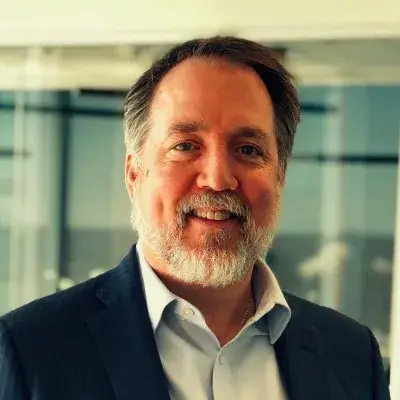
Trenor Williams
CEO and Co-Founder of Socially Determined
Trenor Williams, CEO and Co-Founder of Socially Determined: $34 Million Raised to Build the Social Risk Intelligence Category

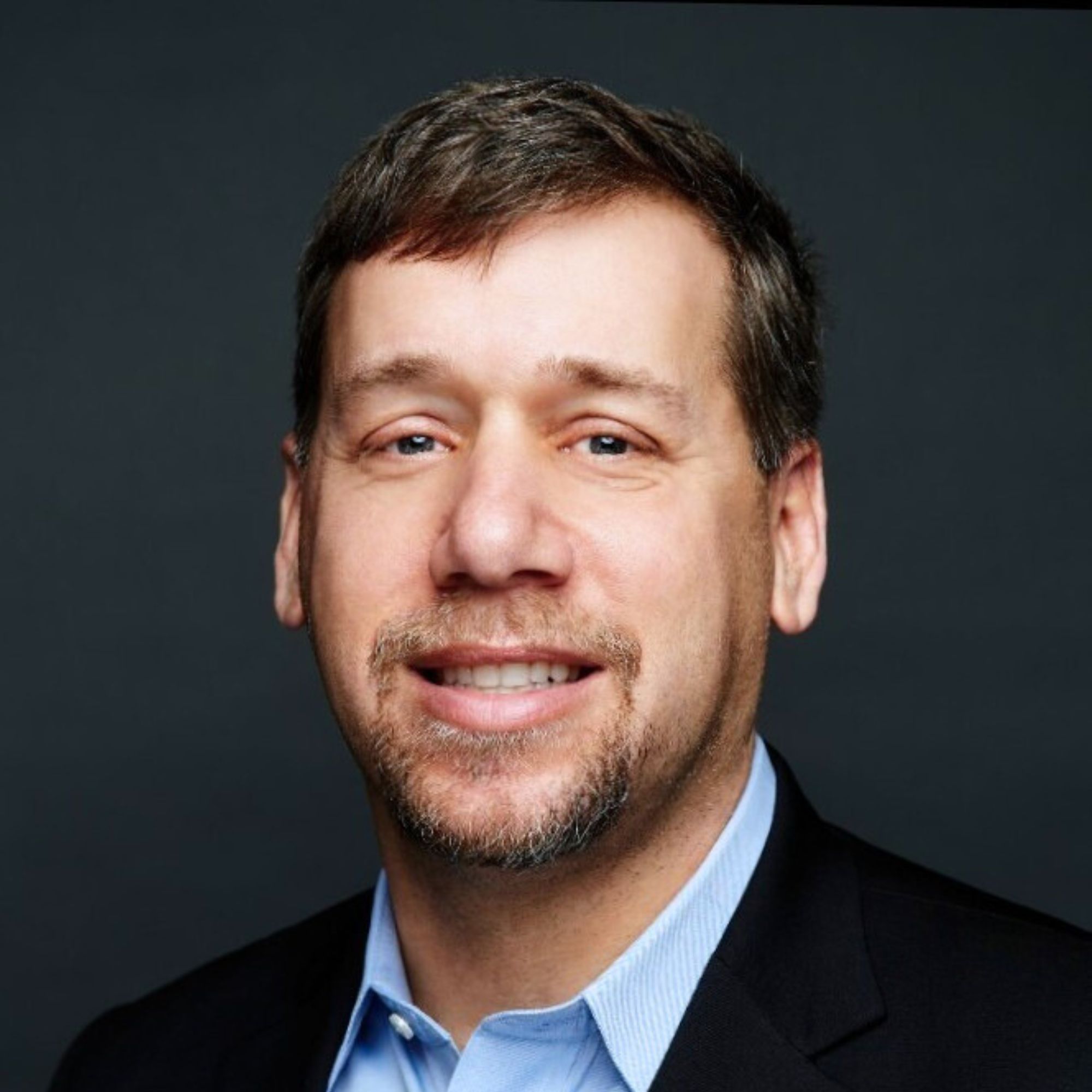
Brett Kleger
CEO of Datacubed Health
Brett Kleger, CEO of Datacubed Health: $43 Million Raised to Revolutionize Clinical Trial Data Collection


Michael Passanante
Senior Vice President of Marketing and Communications of Capital Rx
How to Build 18-Month Attribution Models That Actually Work

Aasim Saeed
CEO and Founder of Amenities Health
Aasim Saeed, CEO and Founder of Amenities Health: $10 Million Raised to Build the Future of Patient Engagement

Jocelyn Nowak
Marketing & Sales Enablement Lead of FIGUR8
Integrity-Driven Marketing: FIGUR8’s Path to 3,000+ Clinics

Joshua Miller
CEO and Co-Founder of Gradient Health
Joshua Miller, CEO & Co-Founder of Gradient Health: $5.7 Million Raised to Build the Future of Medical Imaging


Dr. Nan-Wei Gong
CEO and Founder of FIGUR8
Dr. Nan-Wei Gong, CEO & Founder of FIGUR8: $40 Million Raised to Build the Future of Musculoskeletal Health and Injury Data Solutions

Alfred Griffin
CEO and Co-Founder of CEO and Co-Founder
Alfred Griffin, CEO and Co-Founder of LightForce: $150 Million Raised to Power the Future of Orthodontics

Brian Whorley
Founder & CEO of Paytient
Behind the Scenes: How This Healthcare Founder Prepared to Testify Before Congress | Brian Whorley


Itzik Cohen
Co-Founder and CEO of PayZen
Itzik Cohen, Co-Founder and CEO of PayZen: $240 Million Raised to Build the Future of Affordable Health Care

Avi Singer
CEO & Founder of Showd.me
Avi Singer, CEO & Founder of Showd.me: $4.5 Million Raised to Build the Future of Compliance Training


Dipanwita Das
CEO and Co-Founder of Sorcero
Dipanwita Das, CEO and Co-Founder of Sorcero: Over $20 Million Raised to Power Medical Affairs Teams of the Future

Torben Nielsen
CEO & Co-Founder of Uptiv Health
Torben Nielsen, CEO of Uptiv Health: $7.5M Raised to Build the Future of Infusion Therapy Through Technology-Enabled Retail Centers

Khaled Boukadoum
Founder of Torch Dental
Khaled Boukadoum, Founder of Torch Dental: $49.5 Million Raised to Transform Dental Supply Management Through Digital Innovation

Ben Albert
CEO & Co-Founder of Upfront Healthcare
Ben Albert, CEO & Co-Founder of Upfront Healthcare: $30 Million Raised to Power the Future of Patient Engagement


David King Lassman
Founder of GigXR
David King Lassman, Founder of GigXR: $7 Million Raised to Bring Immersive Learning to Healthcare


Cody Simmons
CEO of DermaSensor
Cody Simmons, CEO of DermaSensor: $36 Million Raised to Build the First AI-Powered Skin Cancer Detection Tool for Primary Care

Gregory Stein
CEO of Shadowbox
How Shadowbox evolved it’s ICP from desperate labs to health systems with 500-1,000 community providers | Gregory Stein

Joseph Schneier
CEO of Trusty Care
Joseph Schneier, CEO of Trusty Care: $13+ Million Raised to Shape the Future of Medicare

Verena Gerhardus
Director of Growth of Nelly Solutions
How Nelly Grew 3X Through Meta Ads in Health Tech


Daniel West
CEO of Prospection
Daniel West, CEO of Prospection: $36 Million Raised to Build the Future of Patient-Centric Intelligence


Michael Gorton
Founder of Teladoc
Teladoc Founder Michael Gorton on the Early Days of Pioneering the Telemedicine Category (And What’s He’s Up to Next)

Brock Leonti
CEO & Co-Founder of Prescribe FIT
Brock Leonti, CEO & Co-Founder of Prescribe FIT: $15 Million Raised to Build the Future of Orthopedic Care

Vicky Demas
CEO of Identifeye Health
Vicky Demas, CEO of identifeye HEALTH: $90 Million Raised to Power the Future of Retinal Imaging

Senan Ebrahim
CEO & Founder of Delfina
Senan Ebrahim, CEO & Founder of Delfina: $10 Million Raised to Build the Future of Intelligent Pregnancy Care
Ari Ashkenas
SVP Customer Success and Experience of Apploi
How Apploi uses 30/60/90-day check-ins to drive platform adoption and prevent customer drift | Ari Ashkenas

Arif Nathoo
CEO and Co-Founder of Komodo Health
Arif Nathoo: the Story of Komodo Health ($3 Billion Valuation)


Kyle Kiser
CEO of Arrive Health
Kyle Kiser, CEO of Arrive Health: Over $40 Million Raised to Improve the Value of Healthcare Through Informed Decision-Making

David Berry
CEO and Founder of Valo
David Berry, CEO and Founder of Valo: Over $500 Million Raised to Build the Future of Drug Discovery

Kevin Flyangolts
CEO and Founder of Aclid
Kevin Flyangolts, CEO & Founder of Aclid: $4 Million Raised to Build the Future of Biosecurity