Ready to build your own Founder-Led Growth engine? Book a Strategy Call

Frontlines.io | Where B2B Founders Talk GTM.
Strategic Communications Advisory For Visionary Founders



Actionable
Takeaways
Find revenue where barriers are lowest:
When Savana discovered hospitals weren't ready for their solution, they pivoted to pharmaceutical companies who had immediate needs and budgets. This kept them alive until the market matured. B2B founders should identify alternative buyers who can provide early revenue while waiting for their primary market to develop.
Regulatory challenges can create opportunities:
Savana turned Europe's strict data privacy regulations into an advantage by developing compliant solutions that could scale as regulations evolved. B2B founders should view regulatory constraints as potential differentiators rather than just obstacles.
Crisis can accelerate market readiness:
COVID-19 transformed European attitudes toward healthcare data sharing, creating new opportunities. B2B founders should stay prepared for external events that can suddenly accelerate market adoption of their solution.
Product-market fit requires cultural alignment:
Savana's initial doctor-focused tool failed because it conflicted with medical culture around evidence-based decision-making. B2B founders must deeply understand not just customer needs, but also their professional values and decision-making frameworks.
Healthcare requires different ROI calculations:
Traditional market efficiency metrics often don't apply in healthcare due to political and social considerations. B2B founders entering healthcare must account for non-financial factors in their value proposition and sales strategy.
Conversation
Highlights
When Doctors Told Him Machine Learning Would Never Work in Medicine
In a recent episode of Category Visionaries, Ignacio Medrano, Founder and Chief Medical Officer of Savana, shared how he went from practicing neurologist to healthcare tech founder – and why his first product for doctors was a complete disaster that nearly killed the company.
Ten years ago, Ignacio stood in his hospital cafeteria explaining machine learning to his fellow neurologists. Their response wasn’t encouraging. “I remember telling this story and they were looking at me like, yeah, that’s cool stuff, but it’s never going to work,” Ignacio recalls. “I mean, we’re in science, we’re in proper statistics, you need proper methods. And maybe a hundred years from now that will happen.”
But Ignacio saw something his colleagues didn’t. While treating patients with Alzheimer’s and stroke, he realized that healthcare was sitting on a goldmine of untapped data. “Everybody is trying to predict things with data,” he explains. “You know, like the statistics is the past and probability is the future. And the more data you have, the more you can predict.” The question was whether all that information written in medical records every day could be fed into machine learning models to predict patient outcomes.
The Pivot That Almost Didn’t Happen
Savana’s original vision was elegant: create a tool that could extract data from medical records using natural language processing and transform free text into structured databases. The technology worked. The problem was finding someone to use it.
“When we launched this tool that is able to go to medical records, apply a lot of validated and scientific natural language processing,” Ignacio explains, “the idea was great, but then who would use it? And we found that it was no one’s job to use this kind of tool.”
Facing extinction, Savana pivoted to pharmaceutical companies. “We stayed there as a company for five years. We survived. We’re incredibly close to die, as probably every entrepreneur would tell you,” Ignacio admits. They took the same NLP technology, partnered with hospitals to access de-identified patient data, and sold insights to pharma companies eager to understand real-world disease progression.
It wasn’t until COVID shifted healthcare’s mindset around data that hospitals finally caught up. “Only at that moment, the hospitals were ready to catch up with budgets and with people waiting to use our tools,” Ignacio says. “And that’s how we came back somehow to the original idea.”
The Product They Had to Kill
But getting back to hospitals meant confronting a harsh reality about their original product. Savana Consulta was built on what seemed like a solid premise: if doctors could see what their colleagues were doing in real clinical practice, they could make better decisions based on collective wisdom.
“We thought that was a good idea. We were thinking about the wisdom of the crowds, the idea that if many people are thinking about that, it means something,” Ignacio explains. They were trying to digitize the clinical sessions where doctors discuss cases and learn from each other.
The rejection was swift and brutal. “It was incredibly rejected by my colleagues,” Ignacio admits. “And the reason was very simple. The fact that the majority is doing something doesn’t mean it’s the right thing to do. And that’s quite opposite to what Evidence means. Evidence means this is the right thing, no matter if few people or a lot of people are doing it.”
Savana had accidentally positioned itself against the fundamental principle of evidence-based medicine. “In a way, were trying to go against the status quo, which is using the right evidence instead of using the majority, the wisdom of the majority,” Ignacio says. They killed the tool before it was too late and rebuilt using the same NLP capabilities for a completely different purpose: creating reports on disease progression and patient behavior that could support—not replace—evidence-based decision making.
Why Healthcare Founders Need Different Assumptions
After a decade in healthcare tech, Ignacio has advice that cuts against conventional startup wisdom. The biggest differentiator in healthcare? “A bigger amount of decisions that your customers will make will not be based on the rational laws of the market,” he says.
He’s seen too many founders from other sectors assume they’ll crack healthcare in a year, only to discover that financial logic doesn’t always apply. “A typical case would be you optimize something with which you need, I don’t know, 10 nurses less. And it doesn’t really matter because politically it’s against everything not to count on 10 nurses,” Ignacio explains. The innovation might work perfectly, but you end up with double expenses—the software and the staff—because laying off healthcare workers creates political and social backlash that trumps pure efficiency.
“So you come with an innovation that apparently is useful, but then at the end of the day, you have double expense,” he notes. “You now have the software and you have the people, and that keeps replicating and replicating in the sector.”
His advice for healthcare entrepreneurs? “Considering that not because something makes sense is going to be accepted by healthcare providers, I think is good advice.”
The Fundraising Reality
Savana has raised $44 million, but Ignacio is candid about the tension between healthcare timelines and VC expectations. “The pace is lower so it’s very regulated. Cultural change needs time. And even if your tool is great, it’s going to need time,” he says.
The comparison to drug development is instructive. “We have incredible new drugs that would save lives. And even when that’s the case and it’s lives of people, what is at stake, it takes 10 years to validate them through the proper workflow circuitry,” Ignacio points out.
Traditional VCs typically need returns in three to four years. “For us and for any company in healthcare, it’s very difficult to give returns. And in that amount of time you normally, you need longer,” he explains. “So that’s something that you may want to think about before fundraising.”
The AI Phone Revolution
Ignacio’s vision for the next three to five years is bold: AI in your phone will become the primary gatekeeper for healthcare, not hospitals. He sees two forces converging to make this possible.
First, the machine learning algorithms being developed today will finally have robust clinical validation. “The machine learning AI algorithms that we’ve been creating for five, 10 years, five years from now, will be finally validated with clinical trials and everything,” Ignacio predicts. “Something that we don’t have today, but we’ll have it in five years.”
Second, generative AI will make these complex predictive tools accessible to regular people. “Generative AI doesn’t really add new knowledge, but it improves access to already existing knowledge,” he explains. “So generative AI will help these customers, these patients, navigate those complex algorithms in an easy way.”
The result? People will upload their ECGs, medical records, and health data to apps that run predictive algorithms with precision high enough that “people are going to want to go there for advice and for medical care,” Ignacio says. Physical hospitals will remain, but they won’t be where healthcare begins. “The gatekeeper is going to be a sequence of personalized algorithms on digital that people are going to use on a normal basis.”
It’s a future where the skeptical colleagues in that hospital cafeteria might finally understand what Ignacio saw a decade ago: that machine learning wasn’t a hundred years away from transforming medicine. It was just getting started.
Recommended Founder
Interviews

Richard Queen
CEO and Co-Founder of DignifiHealth
Richard Queen, CEO and Co-Founder of DignifiHealth: $7 Million Raised to Drive Better Patient Outcomes in Rural Healthcare and Beyond

Joe Gagnon
CEO of 1upHealth
Joe Gagnon, CEO at 1upHealth: Over $75 Million Raised to Build the Future of Healthcare Data

Rafid Fadul
CEO and Co-Founder of Zivian Health
Rafid Fadul, CEO and Co-Founder of Zivian Health: $3 Million Raised to Power the Future of Compliant Healthcare Collaborations

Kevin Flyangolts
CEO and Founder of Aclid
Kevin Flyangolts, CEO & Founder of Aclid: $4 Million Raised to Build the Future of Biosecurity

Todd Zion
Founder of Akston Biosciences
Todd Zion, Founder of Akston Biosciences: From a $500M Exit to Pioneering Biotech Innovation in Pet Health

Thomas Knox
CEO & Founder of VitVio
Thomas Knox, CEO & Founder of VitVio: $10 Million Raised to Transform Surgical Operations Through AI-Powered Automation

Ben Albert
CEO & Co-Founder of Upfront Healthcare
Ben Albert, CEO & Co-Founder of Upfront Healthcare: $30 Million Raised to Power the Future of Patient Engagement

Kyle Kiser
CEO of Arrive Health
Kyle Kiser, CEO of Arrive Health: Over $40 Million Raised to Improve the Value of Healthcare Through Informed Decision-Making

Jocelyn Nowak
Marketing & Sales Enablement Lead of FIGUR8
Integrity-Driven Marketing: FIGUR8’s Path to 3,000+ Clinics

Ophir Ronen
CEO of CalmWave
How CalmWave positioned transparent AI over black box algorithms to win hospital C-suite validation | Ophir Ronen

Nick Soman
CEO & Founder of Decent
Nick Soman, CEO & Founder of Decent: $43 Million Raised to Build the Future of Direct Primary Care

Arif Nathoo
CEO and Co-Founder of Komodo Health
Arif Nathoo: the Story of Komodo Health ($3 Billion Valuation)

Scott Chetham
CEO & Co-Founder of
The ROI system Faro Health uses to convert enterprise pilots | Scott Chetham

Alex Zekoff
CEO and Co-Founder of Thoughtful AI
Alex Zekoff, CEO and Co-Founder of Thoughtful AI: $21 Million Raised to Power the Future of Healthcare Automation

Dilpreet Sahota
CEO of Trek Health
Dilpreet Sahota, CEO of Trek Health: $3 Million Raised to Help Mental Health Providers Accept Insurance

Nabeel Kaukab
Founder and CEO of Phamily
How Phamily built an eight-figure ARR healthcare company without discounting: The subsidized R&D approach | Nabeel Kaukab ($25M Raised)

Armon Sharei
CEO & Founder of Portal
Armon Sharei, CEO & Founder of Portal: $5 Million Raised to Power the Future of Cell Engineering

Joshua Miller
CEO and Co-Founder of Gradient Health
Joshua Miller, CEO & Co-Founder of Gradient Health: $5.7 Million Raised to Build the Future of Medical Imaging

Matt Renfro
Co-Founder & CEO of Lynx
Matt Renfro, CEO of Lynx: $17.5 Million raised to Bring Modern Fintech to Healthcare

Hala Borno
Founder and CEO of Trial Library
Hala Borno, Founder and CEO of Trial Library: $5M Raised to Improve Patient Recruitment and Diversity in Oncology Clinical Trials


Cody Simmons
CEO of DermaSensor
Cody Simmons, CEO of DermaSensor: $36 Million Raised to Build the First AI-Powered Skin Cancer Detection Tool for Primary Care


Mariano García-Valiño
Founder, Chief Engineer and CEO of Axenya
How Axenya achieved cash flow positive before Series A by proving recontract capability | Mariano García-Valiño

Dipanwita Das
CEO and Co-Founder of Sorcero
Dipanwita Das, CEO and Co-Founder of Sorcero: Over $20 Million Raised to Power Medical Affairs Teams of the Future

Matt Pavelle
Co-founder and co-CEO of Doctronic
How Doctronic became the first AI licensed to practice medicine through Utah’s regulatory sandbox | Matt Pavelle

Jack McInnes
Director of Marketing of Corti AI
Building Developer Trust in Healthcare AI Without Hype

Mike Desjadon
CEO of Anomaly
Why Anomaly avoids annual curiosity revenue (ACR) — and you probably should to | Mike Desjadon ($30M Raised)

Khaled Boukadoum
Founder of Torch Dental
Khaled Boukadoum, Founder of Torch Dental: $49.5 Million Raised to Transform Dental Supply Management Through Digital Innovation

Brad Kittredge
CEO & Co-Founder of Brightside
Brad Kittredge, CEO & Co-Founder of Brightside: $150 Million Raised to Build the Future of Mental Healthcare

Rebecca McNeil
VP of Marketing of SureCost
Why This VP of Marketing Abandoned Paid Media Completely

Aasim Saeed
CEO and Founder of Amenities Health
Aasim Saeed, CEO and Founder of Amenities Health: $10 Million Raised to Build the Future of Patient Engagement


Michael Chang
Mastering Market Fit in AI: Insights from Michael Chang, Director of Marketing at ArteraAI

Danny Freed
CEO & Founder of Blueprint
Danny Freed, CEO & Founder of Blueprint: $13.7 Million Raised to Build the Future of Therapist Enablement

Torben Nielsen
CEO & Co-Founder of Uptiv Health
Torben Nielsen, CEO of Uptiv Health: $7.5M Raised to Build the Future of Infusion Therapy Through Technology-Enabled Retail Centers

Veer Gidwaney
CEO & Founder of Ansel Health
Veer Gidwaney, CEO & Founder of Ansel Health: $50 Million Raised to Transform Supplemental Health Insurance

Brett Kleger
CEO of Datacubed Health
Brett Kleger, CEO of Datacubed Health: $43 Million Raised to Revolutionize Clinical Trial Data Collection

Galia Rosen Schwarz
CEO & Co-Founder of C8 Health
How C8 Health broke into more than 100 hospital systems | Galia Rosen Schwarz


Corey Washington
Senior Marketing Manager of Amenities Health
Humanizing Healthcare Tech: Marketing Lessons from Amenities
Ari Ashkenas
SVP Customer Success and Experience of Apploi
How Apploi uses 30/60/90-day check-ins to drive platform adoption and prevent customer drift | Ari Ashkenas

Amar Kendale
President and Co-Founder of Homeward
Amar Kendale, President & Co-Founder of Homeward: $70 Million Raised to Transform Rural Healthcare Through Technology

Samson Magid
Co-Founder and CEO of HealthSnap
Samson Magid, Co-Founder and CEO of HealthSnap: Over $12 Million Raised to Build the Future of Remote Patient Monitoring

Verena Gerhardus
Director of Growth of Nelly Solutions
How Nelly Grew 3X Through Meta Ads in Health Tech

Amy Brown
CEO and Founder of Authenticx
Amy Brown, CEO and Founder of Authenticx: $28 Million Raised to Build the Future of Listening AI

Brian Whorley
Founder & CEO of Paytient
Behind the Scenes: How This Healthcare Founder Prepared to Testify Before Congress | Brian Whorley

Cesar Herrera
CEO and Co-Founder of Yuvo Health
Cesar Herrera, CEO and Co-Founder of Yuvo Health: $28 Million Raised to Revolutionize Healthcare Access

Itzik Cohen
Co-Founder and CEO of PayZen
Itzik Cohen, Co-Founder and CEO of PayZen: $240 Million Raised to Build the Future of Affordable Health Care

David Berry
CEO and Founder of Valo
David Berry, CEO and Founder of Valo: Over $500 Million Raised to Build the Future of Drug Discovery

Vicky Demas
CEO of Identifeye Health
Vicky Demas, CEO of identifeye HEALTH: $90 Million Raised to Power the Future of Retinal Imaging

Daniel Lambert
CEO of PathologyWatch
Daniel Lambert, CEO of PathologyWatch: Over $50 Million Raised to Build the Future of Digital Pathology

Brandon Young
CMO of Garner Health
Why Marketing Lost Its Craft (And How AI Could Force It Back)

Henry O’Connell
CEO & Founder of Canary Speech
Henry O’Connell, CEO & Founder of Canary Speech: $26 Million Raised to Build the Future of Vocal Biomarker Technology

Rishi Nayyar
CEO and Co-Founder of PocketHealth
Rishi Nayyar, CEO and Co-Founder of PocketHealth: $22.5 Million Raised to Power the Future of Medical Image Sharing

Derek Streat
Co-Founder & Chief Executive Officer of Dexcare
Derek Streat, CEO of Dexcare: $110 Million Raised to Help Health Systems to Find Time for the Best Care

Brock Leonti
CEO & Co-Founder of Prescribe FIT
Brock Leonti, CEO & Co-Founder of Prescribe FIT: $15 Million Raised to Build the Future of Orthopedic Care

James Bates
CEO and Founder of AdviNOW Medical
James Bates, CEO and Founder of AdviNOW Medical: $24 Million Raised to Build the Future of AI-Powered Healthcare

Dimitrios Skaltsas
CEO & Co-Founder of Intelligencia AI
Dimitrios Skaltsas, CEO & Co-Founder of Intelligencia AI: $15.5 Million Raised to Build the Future of Drug Development

Alfred Griffin
CEO and Co-Founder of CEO and Co-Founder
Alfred Griffin, CEO and Co-Founder of LightForce: $150 Million Raised to Power the Future of Orthodontics

Mark Lehmkuhle
CEO & Founder of Epitel
Mark Lehmkuhle, CEO & Founder of Epitel: $20 Million Raised to Build the Future of Brain Health Monitoring

Elad Ferber
CEO & Co-Founder of Synthpop
Elad Ferber, CEO & Co-Founder of Synthpop: $8 Million Raised to Build the Future of Healthcare Administration with AI

Viral Patel
Founder and CEO of Radish Health
Viral Patel, CEO of Radish Health: $5 Million Raised to Connect Employees with a Better Healthcare Experience

Michael Gorton
Founder of Teladoc
Teladoc Founder Michael Gorton on the Early Days of Pioneering the Telemedicine Category (And What’s He’s Up to Next)

Senan Ebrahim
CEO & Founder of Delfina
Senan Ebrahim, CEO & Founder of Delfina: $10 Million Raised to Build the Future of Intelligent Pregnancy Care

Alexandra Ferraro
Head of Marketing of Intelligencia AI
Beyond Perfect: Healthcare Tech Marketing That Drives Real Revenue

Joseph Schneier
CEO of Trusty Care
Joseph Schneier, CEO of Trusty Care: $13+ Million Raised to Shape the Future of Medicare

Marshall Darr
CEO & Co-Founder of StretchDollar
How StretchDollar drives leads from LLM search | Marshall Darr

Trey Sutten
CEO & Co-Founder of Siftwell Analytics
Trey Sutten, CEO & Co-Founder of Siftwell Analytics: $5 Million Raised to Transform Healthcare Analytics with AI-Powered Predictions

Matthew Stoudt
CEO and Founder of AppliedVR
Matthew Stoudt, CEO and Founder of AppliedVR: Over $70 Million Raised to Build the Future of Chronic Pain Relief

Colin Lawlor
CEO & Founder of Sleep ai
How Sleep AI built an 8-year data moat before hiring their first salesperson | Colin Lawlor

Justin Dearborn
Founder & CEO of Praia Health
Justin Dearborn, Founder & CEO of Praia Health: $20 Million Raised to Build the Future of Consumer Experience in Healthcare

Stacy Edgar
CEO and Co-Founder of Venteur
Stacy Edgar, CEO & Co-Founder of Venteur: $7.6 Million Raised to Build the Future of Health Insurance


Trenor Williams
CEO and Co-Founder of Socially Determined
Trenor Williams, CEO and Co-Founder of Socially Determined: $34 Million Raised to Build the Social Risk Intelligence Category

Dr Thomas Oakley
CEO of Feedback PLC
Dr Thomas Oakley, CEO of Feedback PLC: £20 Million Raised to Build the Future of Patient Data Sharing

Gregory Stein
CEO of Shadowbox
How Shadowbox evolved it’s ICP from desperate labs to health systems with 500-1,000 community providers | Gregory Stein


Teodor Grantcharov
Founder of Surgical Safety Technologies Inc.
How Surgical Safety Technologies targeted the most challenging customers first (massive hospitals) | Teodor Grantcharov

Oliver Kharraz
CEO & Founder of Zocdoc
How Zocdoc survived near death, increased prices up to 100x, and turned around the company | Oliver Kharraz

Elizabeth Wiet
Senior Vice President Marketing of VieCure
Why This Healthcare Marketer Is Abandoning Trade Show Booths w Elizabeth Wiet


Austin McChord
CEO of Casana
Austin McChord, CEO of Casana: Over $46 Million Raised to Create the Future of In-Home Health Monitoring

Kourosh Davarpanah
Co-Founder and CEO of Inato
Kourosh Davarpanah, Co-Founder and CEO of Inato: Over $35 Million Raised to Build the Future of Clinical Trials

Avi Singer
CEO & Founder of Showd.me
Avi Singer, CEO & Founder of Showd.me: $4.5 Million Raised to Build the Future of Compliance Training

Ganesh Padmanabhan
CEO & Founder of Autonomize AI
How Autonomize AI built credibility with healthcare buyers | Ganesh Padmanabhan


Michael Passanante
Senior Vice President of Marketing and Communications of Capital Rx
How to Build 18-Month Attribution Models That Actually Work

David King Lassman
Founder of GigXR
David King Lassman, Founder of GigXR: $7 Million Raised to Bring Immersive Learning to Healthcare


Dr. Nan-Wei Gong
CEO and Founder of FIGUR8
Dr. Nan-Wei Gong, CEO & Founder of FIGUR8: $40 Million Raised to Build the Future of Musculoskeletal Health and Injury Data Solutions

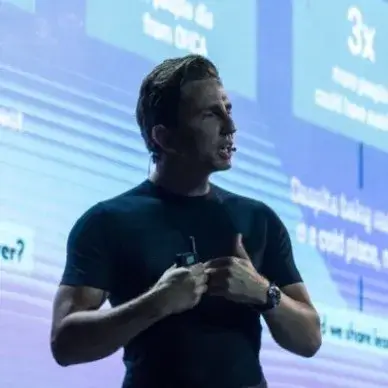
Andreas Cleve
CEO and Co-Founder of Corti
Andreas Cleve, CEO and Co-Founder of Corti: $32 Million Raised to Power the Future of Patient Consultations


Daniel West
CEO of Prospection
Daniel West, CEO of Prospection: $36 Million Raised to Build the Future of Patient-Centric Intelligence

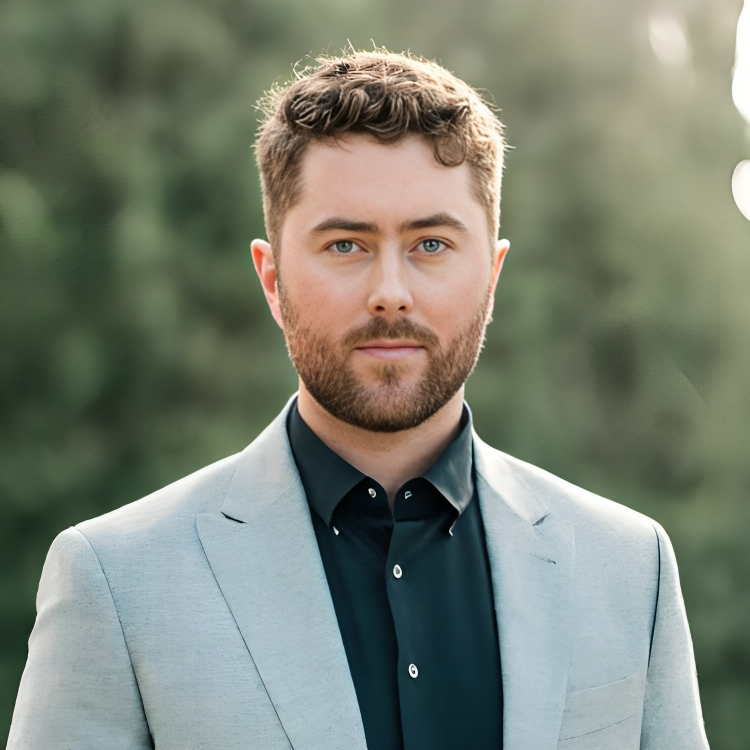
Ian Prendergast
CEO and Co-Founder of Toothio
How Toothio built credibility as non-industry founders through strategic SME hires | Ian Prendergast


Omer Maman
VP of Marketing of Healthee
Why AI Should Enhance, Not Replace Your Marketing Team

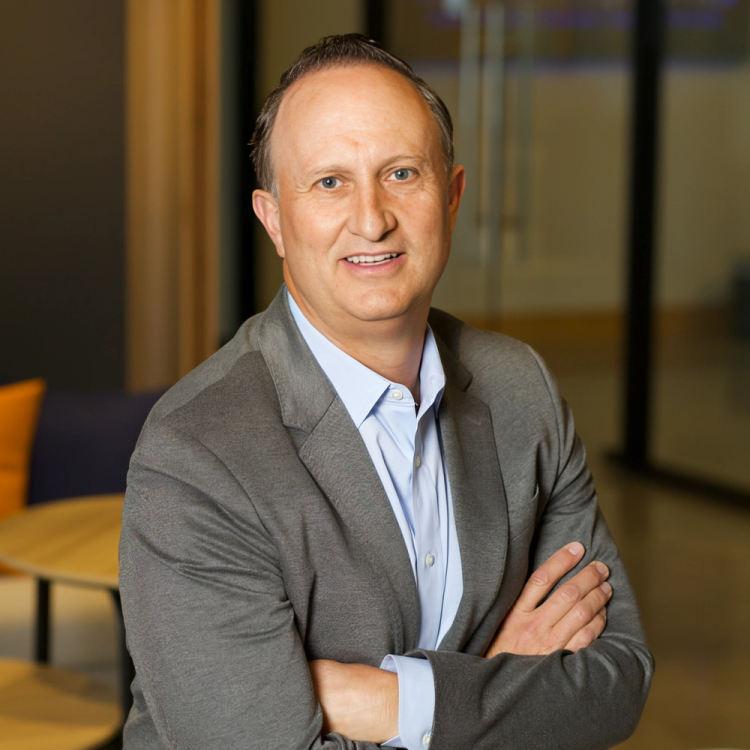
Ty Allen
CEO of SocialClimb
Ty Allen, CEO of SocialClimb: $12 Million Raised to Power the Future of Healthcare Marketing

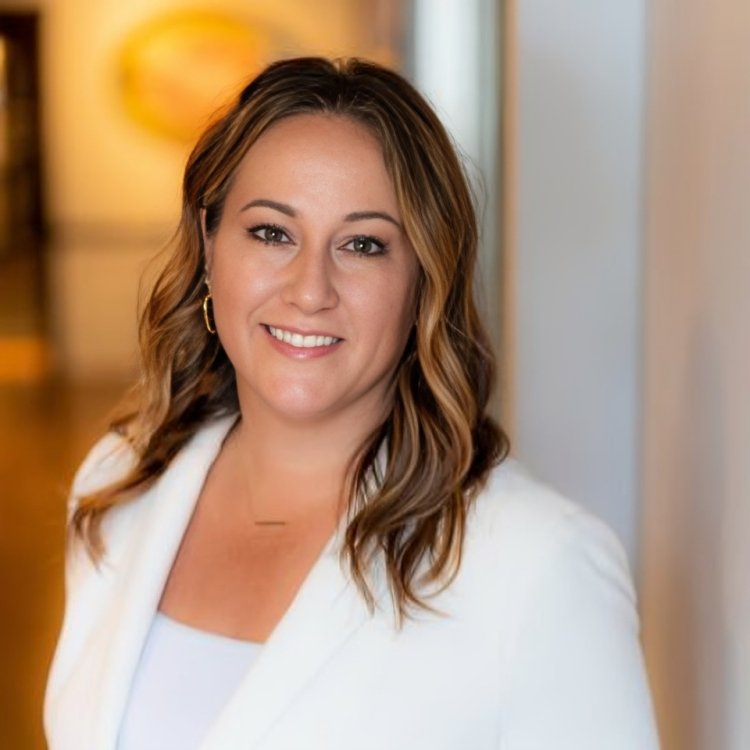
Kristen Valdes
CEO & Founder of B.well
Kristen Valdes, CEO & Founder of B.well: $100 Million Raised to Reimagine the Healthcare Experience

Karsten Miermans
CEO of hema.to GmbH
How hema.to uses clinical evidence as their core marketing strategy in healthcare AI | Karsten Miermans