Ready to build your own Founder-Led Growth engine? Book a Strategy Call

Frontlines.io | Where B2B Founders Talk GTM.
Strategic Communications Advisory For Visionary Founders



Actionable
Takeaways
Timing content focus with market inflection points compounds growth:
Justin grew slowly to 30,000 followers, then exploded when ChatGPT launched and mainstream interest converged with his existing content. He'd been creating AI content before the market cared—when ChatGPT hit, he could "ride a big wave of people now being interested in what I had been making content about." B2B founders should identify their content thesis early, build consistently even with modest growth, and position to capitalize when market attention shifts to their domain.
Inbound consulting requests are product requirement documents in disguise:
Multiple people reaching out asking Justin to consult on AI implementation revealed "a commonality between every message I'm getting." The pattern was clear: non-tech businesses wanted to use AI for complex operations but had no accessible tooling. B2B founders with audience engagement should analyze inbound patterns as free market research—repeated requests for the same type of help signal validated demand before you write a line of code.
Content systems must be friction-free or they'll die under operational load:
Justin's advice is ruthlessly practical: if content creation requires "a five hour thing every week to get two pieces of content, it's not going to be repeatable." As a founder, your time gets consumed by product, sales, and hiring. B2B founders need to engineer their content process for maximum output with minimum friction—whether that's talking directly to camera with no editing or batching recordings—or it won't survive first contact with scaling a company.
Good content transcends platform-specific algorithm hacking:
Justin found that videos performing well on TikTok had "90% certainty it will do well on Instagram as well. Because good content is good content." Many founders obsess over platform-specific tactics and algorithm tricks. Instead, focus on creating genuinely valuable content—the algorithms will surface it regardless of platform because engagement signals are universal. B2B founders should prioritize substance over gaming distribution mechanics.
Social distribution creates unfair launch advantages, not permanent moats:
While Justin's early revenue was "entirely sourced by the social strategy," today most sales calls come from prospects who "don't know who I am or that my social following" exists. They find Cassidy through referrals, cold outreach, or other channels. B2B founders should use social to eliminate cold start problems and compress initial validation cycles, then build traditional revenue motions. Distribution gets you to product-market fit faster; it doesn't replace building a scalable sales engine.
Conversation
Highlights
Building Distribution Before Product: How Cassidy Turned Social Media Into a Fortune 500 Sales Engine
Most B2B founders grind through cold outreach on day one. Justin Fineberg eliminated that entirely—by building a 500,000-follower audience before launching his product.
In a recent episode of BUILDERS, Justin Fineberg, CEO and Co-Founder of Cassidy, explained how this counterintuitive sequencing transformed his go-to-market. Today, his AI automation platform serves Fortune 500 enterprises with hundreds of sales calls each month. But the real insight isn’t just “build an audience first”—it’s how he used that audience as a live market research lab, then systematically transitioned beyond social-only revenue to build repeatable B2B sales motions.
The Timing Advantage: Positioning Before Inflection Points
Justin’s content strategy wasn’t an overnight success. He spent months creating with minimal traction—a Substack with 10 subscribers where “my biggest fan was my mom.” The shift came when he moved to short-form video. “When I started making short form videos and really just like talking to the camera…just basically picking up the camera and sharing ideas and communicating through that was just very natural for me,” Justin explains.
He reached about 30,000 followers when ChatGPT launched in late 2022. That timing created exponential growth. “That was like a big moment where there was like a convergence between what I was interested in and what I was talking about and the mainstream being now interested in AI,” Justin says. “That’s when things really took off for me.”
The tactical lesson: identify your content thesis before the market cares, build consistently through the silence, then capitalize when attention shifts to your domain. Justin had months of AI content in market when ChatGPT made the topic mainstream—positioning that’s impossible to replicate retroactively.
The Zero-Extraction Content Model
Justin’s content succeeded because he refused to optimize for conversion. “People can tell when they’re being sold to, when the person who’s making the content gets more out of you watching it than the person who’s actually watching the content,” he explains.
This wasn’t just philosophical—it was structural. Justin created content he would personally want to watch, with no sales funnel, no lead magnets, no conversion objectives. “I never sold anything. I was just focused on how do I make really good content that I think I would enjoy watching.”
The mechanism: when you remove extraction from the equation, you build audiences with different engagement patterns. They’re not conditioned to resist sales messages because there haven’t been any. When you finally do introduce a product, the context is fundamentally different—you’re sharing what you’re building, not interrupting their experience to sell them something.
Pattern-Matching Inbound for Product Validation
As Justin’s content gained traction, inbound requests revealed clear patterns. “There were people who were reaching out to me saying, hey, can we hire you as a consultant to come on and help us think about our AI strategy or build out this automation,” Justin recalls.
His product management background kicked in immediately. “There is a commonality between every message I’m getting and so there’s clearly a problem that exists,” he explains. The pattern: non-technical businesses running complex operations wanted to use AI but had no accessible tooling. The available options—ChatGPT Playground, LangChain—required technical expertise they didn’t have.
The insight that became Cassidy: “What if we built the tooling that allowed completely non technical users to build complex automations that are unique to their business processes?”
The GTM advantage here is structural. “If people are reaching out to you and going solve this problem for me, it definitely gives you the signal to know what to build,” Justin notes. You’re not guessing at product-market fit—you’re responding to repeated, unprompted requests to solve a specific problem.
Reframing Monetization as Enabling More Value
Justin never experienced the typical creator guilt around monetization. His mental model was different: “It actually felt quite natural that I was now sharing the product that I was spending my entire day building.”
More importantly, he reframed the transaction. “If you pay money to solve this problem and I am able to build this product, I’m able to build a team around, I’m able to do the R and D, I could solve your problem even better,” Justin explains. Revenue doesn’t extract value—it enables him to deliver more of it.
He also maintained realistic expectations about conversion. “Most of my 500,000 followers or whatever it is, they’re not CIOs at Fortune 500 companies. They’re just people who want to learn about AI and there’s no reason for them to buy Cassidy,” he says. The content provides value to one audience; the product serves a different (though overlapping) segment. Both are legitimate value exchanges.
The Transition: From Social-Only to Multi-Channel Revenue
Cassidy’s early revenue came entirely from social distribution. But Justin was explicit about its role: kickstarting, not sustaining.
Today’s revenue picture is dramatically different. “We have hundreds of sales calls going on at any particular month. And most of them, they don’t know who I am or that my social following,” Justin explains. Discovery happens through other YouTube channels, cold outreach from Cassidy’s sales team, and customer referrals.
The competitive advantage was temporal, not permanent. Social distribution meant Justin didn’t “have to spend any time cold calling day one,” allowing him to “focus on building the product and you know exactly who you’re building for.” But the company has since built “a repeatable go to market that we’re able to get to the right customers and make those customers really happy and then those customers tell other people about us.”
Content still plays a role—testing product features and messaging before formalizing go-to-market. “The content continues to be a great way to test new product features, to test what messaging works to quickly be able to launch something and get people’s eyes on it,” Justin notes. But it’s one channel within a traditional B2B SaaS revenue motion, not the foundation.
Engineering Content Systems for Zero Friction
Justin’s advice for founders building content strategies is brutally practical: engineer for sustainability or fail under operational load.
“Consistency is really what is the name of the game,” Justin says. “You kind of have to beat your head against the wall for a long time for things to work.” The only way to maintain consistency as a busy founder is “figuring out a system where it’s really easy for you to produce consistent content a lot.”
If content creation requires coordinating videographers, editors, studio time, and five hours weekly, “it’s not going to be repeatable and be able to be consistent,” Justin warns. As founder responsibilities compound—product decisions, sales calls, hiring—complex content systems collapse.
The solution: “Figure out what is the most compelling piece of content that you can make at scale repeatedly.” For Justin, that meant talking directly to camera with minimal production. The constraint forced simplicity, which enabled consistency.
Platform Mechanics vs. Content Substance
Justin’s experience across TikTok and Instagram revealed something most founders miss: platform-specific optimization matters far less than substance.
“If you create a video that does really well on TikTok it is likely in pretty much every situation with 90% certainty it will do well on Instagram as well,” Justin explains. “Because good content is good content.”
The implication: founders obsessing over algorithm hacks and platform-specific tactics are optimizing the wrong variable. “There are people who focus so much on hacking the algorithm and like what work—it’s like no, if this is a valuable piece of content, it will do well no matter what.”
The algorithms sample content and surface what generates engagement. Distribution mechanics are secondary to the value being delivered. Focus on creating content worth engaging with; the platforms will handle distribution.
The Real Lesson: Distribution Compresses Validation Cycles
Cassidy’s journey isn’t a blueprint for building social-dependent businesses. It’s a case study in using distribution advantages to compress time to product-market fit, then building sustainable revenue engines.
Social distribution eliminated cold start friction, provided continuous market feedback, and created space to focus on product development instead of customer acquisition. But the goal was never to stay there. The goal was to use that advantage to validate faster, launch smarter, and build repeatable go-to-market motions that could scale independently of Justin’s personal audience.
For B2B founders, the takeaway isn’t “build an audience first.” It’s understanding how distribution advantages—whether through content, community, or other channels—can fundamentally change your path to initial traction. Then deliberately transitioning to systems that don’t depend on those advantages to sustain growth.
Recommended Founder
Interviews


Krishna Gade
CEO & Founder of Fiddler
Krishna Gade, CEO & Founder of Fiddler: $68 Million Raised to Build the Future of AI Observability


Igor Jablokov
Chairman of Pryon
Igor Jablokov, Chairman of Pryon: $50+ Million Raised to Build the Future of Enterprise Knowledge Management

Ashley Montanaro
CEO and Co-Founder of Phasecraft
Ashley Montanaro, CEO & Co-Founder of Phasecraft: $22 Million Raised to Build the Future of Quantum Software

Ryan Sevey
CEO of Mantium
Ryan Sevey, CEO of Mantium: $12 Million Raised to Help Teams Deploy and Monitor their AI Process Automations


Phillip Liu
CEO of Trustero
Phillip Liu, CEO of Trustero: $8 Million Raised to Build the Future of Compliance AI

Amr Awadallah
CEO & Founder of Vectara
Amr Awadallah, CEO & Founder of Vectara: $53 Million Raised to Build the RAG-as-a-Service Category

Don Gossen
CEO & Founder of Nevermined
How Nevermined coined “AI commerce” in 2023 to create category language before market adoption | Don Gossen


Sauraj Gambhir
Co-Founder of Prior Labs
Sauraj Gambhir, Co-Founder of Prior Labs: $9 Million Raised to Build Foundation Models for Structured Data


Adi Bathla
CEO & Co-Founder of Revv
Adi Bathla, CEO & Co-Founder of Revv: $33 Million Raised to Power the Future of Auto Repair


Jorge Penalva
CEO & Co-Founder of Lang AI
Jorge Penalva, CEO of Lang.ai: $40 Million+ Raised to Build the Customer Experience Operations Category


Deon Nicholas
CEO & Co-Founder of Forethought
Deon Nicholas, CEO & Co-Founder of Forethought: $92 Million Raised to Power the Future of Customer Support with AI

Sumanyu Sharma
CEO & Founder of Hamming AI
How Hamming AI accidentally created a new category by focusing on customer problems instead of category creation | Sumanyu Sharma ($3.8M Raised)


Malte Pietsch
CTO & Co-Founder of Deepset
Malte Pietsch, CTO & Co-Founder of Deepset: $45 Million Raised to Build the Future of LLMs

Douwe Kiela
CEO and Co-Founder of Contextual AI
Douwe Kiela, CEO and Co-Founder of Contextual AI: $20 Million Raised to Build the Future of Enterprise Language Models


Tanay Kothari
CEO and Co-Founder of Wispr Flow
How Wispr Flow manufactured viral moments by personally onboarding 500 users on Google Meet | Tanay Kothari ($56M Raised)

Aimen Chouchane
Head of Marketing of IntelexVision
How IntelexVision Markets AI Video Analytics to Security Buyers


Anton Antich
Founder & Chief Product Officer of EverWorker
Why EverWorker targets “boring billion-dollar companies” | Anton Antich


Nikola Borisov
CEO & Co-Founder of Deep Infra
Nikola Borisov, CEO & Co-Founder of Deep Infra: $9 Million Raised to Build the Future of AI Model Hosting


Jeong-Suh Choi
CEO of Bobidi
Jeong-Suh Choi, CEO Bobidi: Nearly $6 Million raised to Deliver Better, More Inclusive AI Solutions for Developers



Suman Kanuganti
How Personal AI scales enterprise contracts by selling to COOs and business users first | Suman Kanuganti ($16M Raised)

Vahan Petrosyan
CEO & Co-Founder of SuperAnnotate
Vahan Petrosyan, CEO & Co-Founder of SuperAnnotate: $53 Million Raised to Build the Future of AI Training Data Infrastructure


Tony Zhang
Founder & CEO of Tera AI
Tony Zhang, Founder & CEO of Tera AI: $8M Raised to Build the Future of Robotics Operating Systems

Iddo Gino
CEO & Founder of Datawizz
How Datawizz discovered the chasm between AI-mature companies and everyone else shaped their ICP | Iddo Gino


Amir Haramaty
Co-Founder of aiOla
Why aiOla targets CFOs — not IT buyers | Amir Haramaty, Co-Founder at aiOla

Alan Cowen
CEO and Founder of Hume AI
Alan Cowen, CEO and Founder of Hume AI: Over $17 Million Raised to Measure and Improve How Technology Affects Human Emotion


David Plon
CEO & Co-Founder of Portrait Analytics
David Plon, CEO & Co-Founder of Portrait Analytics: $10M Raised to Build an AI-Powered Thought Partner for Institutional Investors

Gabriel Bayomi Tinoco Kalejaiye
CEO and Co-Founder of Openlayer
Gabriel Bayomi, CEO and Co-Founder of Openlayer: $4.8 Million Raised to Power the Future of Machine Learning Testing

Mitesh Agrawal
CEO of Positron
How Positron AI is driving sales ahead of product | Mitesh Agrawal

John Belizaire
CEO of Soluna
John Belizaire, CEO of Soluna: $180 Million Raised to Power the Future of Renewable Computing for AI

Soham Mazumdar
How Wisdom AI reduces enterprise trial time-to-value from weeks to minutes | Soham Mazumdar

William Gaviria Rojas
Field CTO & Co-Founder of CoactiveAI
William Gaviria Rojas, Field CTO & Co-Founder of CoactiveAI: $44 Million Raised to Build the Future of Multimodal AI Applications

Jorge Torres
CEO and Co-Founder of MindsDB
Jorge Torres, CEO and Co-Founder of MindsDB: $50 Million Raised to Enable Developers to Integrate Machine Learning into Applications


Jae Lee
Co-founder & CEO of TwelveLabs
How TwelveLabs sells AI to federal agencies: Mission alignment over process optimization | Jae Lee


Adam Schwartz
Co-Founder & CEO of Parable
How Parable achieved a 100% POC win rate in enterprise AI sales | Adam Schwartz


Patricia Thaine
Co-Founder & CEO of Private AI
Patricia Thaine, Co-Founder & CEO of Private AI: Over $11 Million Raised to Help Organizations Anonymize PII to Achieve Regulatory Compliance


Harry Xu
CEO and Co-Founder of Breeze ML
Harry Xu, CEO and Co-Founder of Breeze ML: $4.6 Million Raised to Create the Future of AI Governance


Jason Corso
Co-Founder and Chief Science Officer of Voxel 51
Jason Corso, Co-Founder and Chief Science Officer of Voxel 51: $15.5 Million Raised to Build the Future of Developer Tools for Machine Learning


Krish Ramineni
CEO of Fireflies
Krish Ramineni, CEO of Fireflies: $19 Million Raised to Build the Future of AI Meeting Assistants

Alon Talmor
CEO & Founder of Ask-AI
Alon Talmor, CEO & Founder of Ask-AI: $20 Million Raised to Power the Future of Enterprise AI



Richard Potter
Co-Founder and CEO of Peak
Richard Potter, Co-Founder and CEO at Peak: $118 Million Raised to Power the Future of AI-Enabled Businesses


James O’Brien
Co-Founder & COO of Ducky AI
James O’Brien, Co-Founder & COO of Ducky: $2.7 Million Raised to Build Internal Data Search for LLMs


Kostas Pardalis
Co-Founder & CEO of Typedef
Why Typedef starts go-to-market activities during the design partner phase instead of after | Kostas Pardalis ($5.5M Raised)


Abhishek Das
Co-Founder and Co-CEO of Yutori
How Yutori landed enterprise contracts without a sales team by letting prosumer word of mouth do the work | Abhishek Das, Co-CEO at Yutori

Inna Sela
CEO & Founder of illumex
Inna Tokarev Sela, CEO & Founder of illumex: $13 Million Raised to Power the Future of Enterprise LLM Deployments


Darko Vukovic
CEO & Founder of PolyAPI
Darko Vukovic, CEO & Founder of PolyAPI: $5 Million Raised to Transform Enterprise Middleware Through Native Code Developm

Ryan Alshak
CEO & Founder of Laurel
Ryan Alshak, CEO & Founder of Laurel: $55.7 Million Raised to Build the Future of Gen AI for Timekeeping


David Reger
CEO of NEURA Robotics
David Reger, CEO of NEURA Robotics: €185M Raised to Power the Future of Cognitive Robotics


Matt Theurer
CEO & Co-Founder of HyperSpectral
Matt Theurer, CEO & Co-Founder of HyperSpectral: $8.5 Million Raised to Power the Future of AI-Powered Spectral Intelligence


Bob van Luijt
CEO and Co-Founder of Weaviate
Bob van Luijt, CEO and Co-Founder of Weaviate: Over $67 Million Raised to Power the Future of Vector Databases

Alex Levin
CEO & Co-Founder of Regal AI
Alex Levin, CEO & Co-Founder of Regal AI: $82 Million Raised to Transform Customer Communication with Voice AI

Davit Baghdasaryan
Co-Founder and CEO of Krisp
Davit Baghdasaryan, Co-Founder and CEO of Krisp: $19 Million Raised to Build the Voice Productivity Category


Johannes Peeters
Co-Founder & CEO of VoxelSensors
Johannes Peeters, Co-Founder & CEO of VoxelSensors: $7 Million Raised to Build the Future of Spatial Computing

Sud Bhatija
Co-Founder & COO of Spot AI
Sud, Co-Founder & COO of Spot AI: $93 Million Raised to Build Video AI Agents for the Physical World

Rodrigo Liang
Co-Founder and CEO of SambaNova
Rodrigo Liang: the Story of SambaNova ($5+ Billion Valuation)


Deirdre Mahon
VP of Marketing of super{set}
Why Marketing Beats Sales Hiring at AI Startups


Joe Witt
CEO & Co-Founder of Datavolo
Joe Witt, CEO & Co-Founder of Datavolo: $21 Million Raised to Unlock the Potential of Unstructured Data for AI


Barbara Lewis
CMO of Coactive AI
The Siebel vs Salesforce Truth Every B2B Marketer Should Know


Jonathan Dambrot
CEO and Founder of Cranium
Jonathan Dambrot, CEO and Founder at Cranium: $32 Million Raised to Power the Future of AI Security

Michael Louis
Co-Founder & CEO of Cerebrium
How Cerebrium generated millions in ARR through partnerships without a sales team | Michael Louis

Ian Cairns
CEO & Co-Founder of Freeplay AI
How Freeplay built thought leadership by triangulating insights across hundreds of AI implementations | Ian Cairns



Kirti Dewan
Chief Marketing Officer of Fiddler AI
How to Lead an Internal AI Workshop w/ Kirti Dewan, Chief Marketing Officer of Fiddler AI

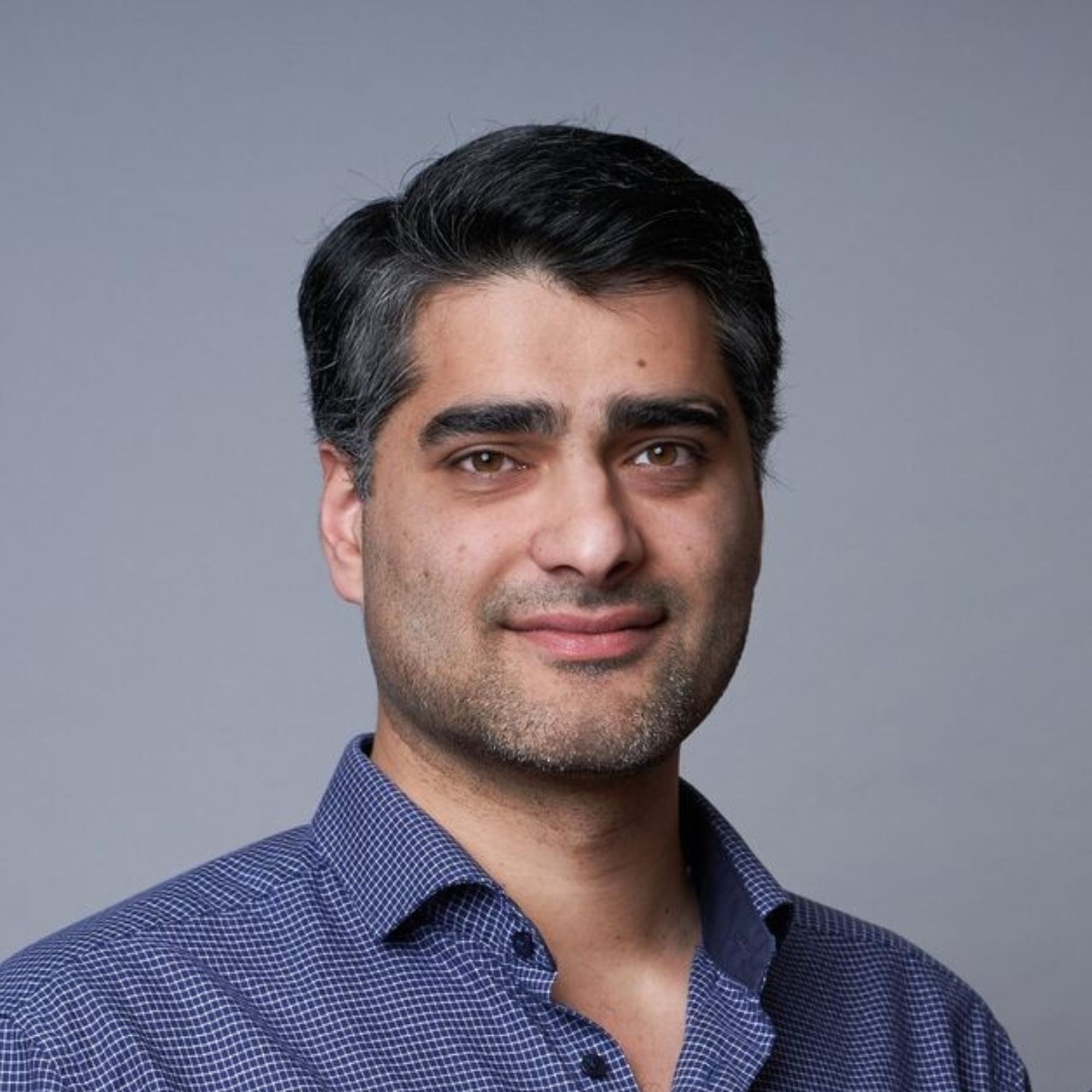
Aron Kirschen
CEO of SEMRON
Aron Kirschen, CEO of SEMRON: $7.3M Raised to Build Ultra-Efficient 3D AI Chips

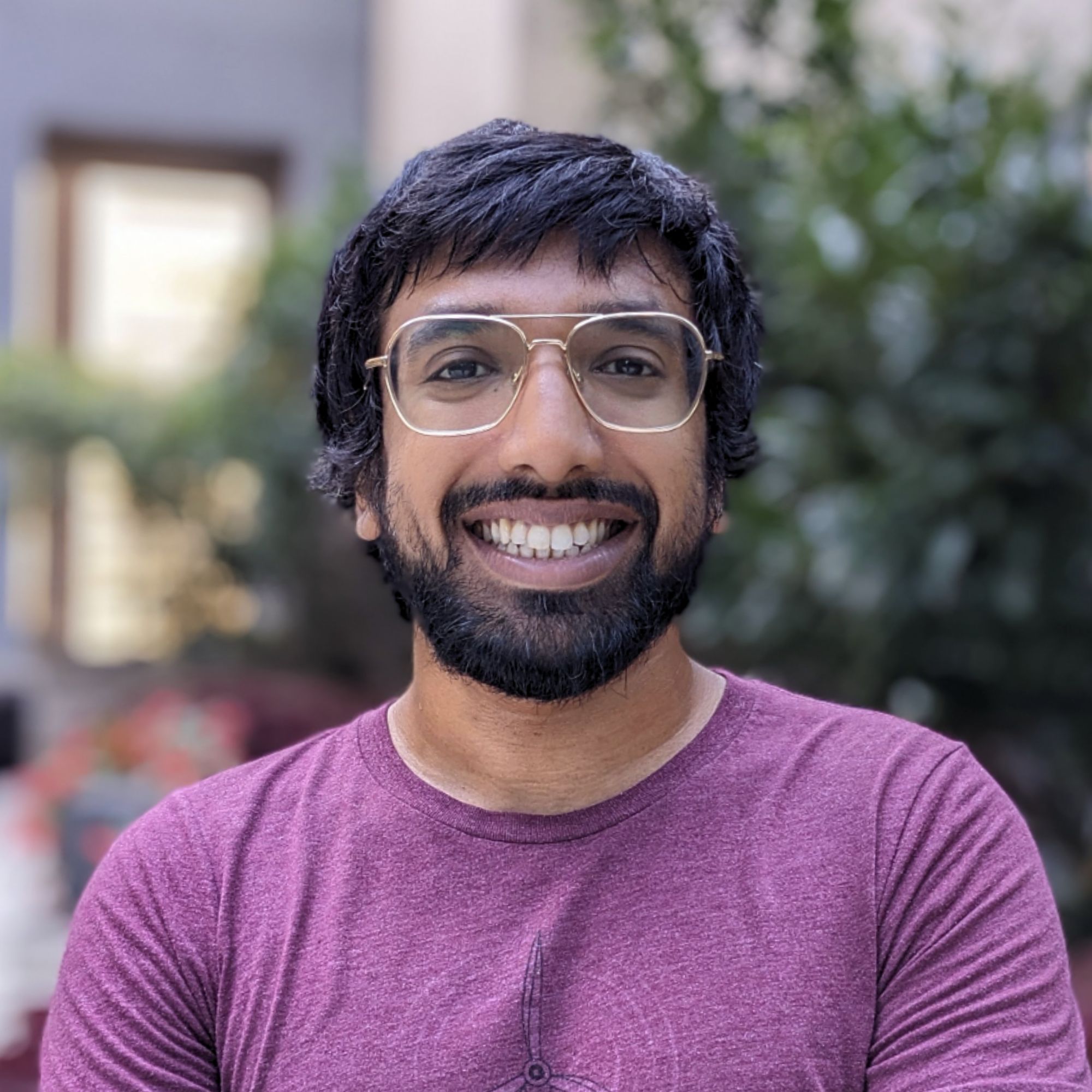
Ravin Thambapillai
CEO and Co-Founder of Credal
Ravin Thambapillai, CEO and Co-Founder of Credal: $5 Million Raised to Build the Future of AI Security

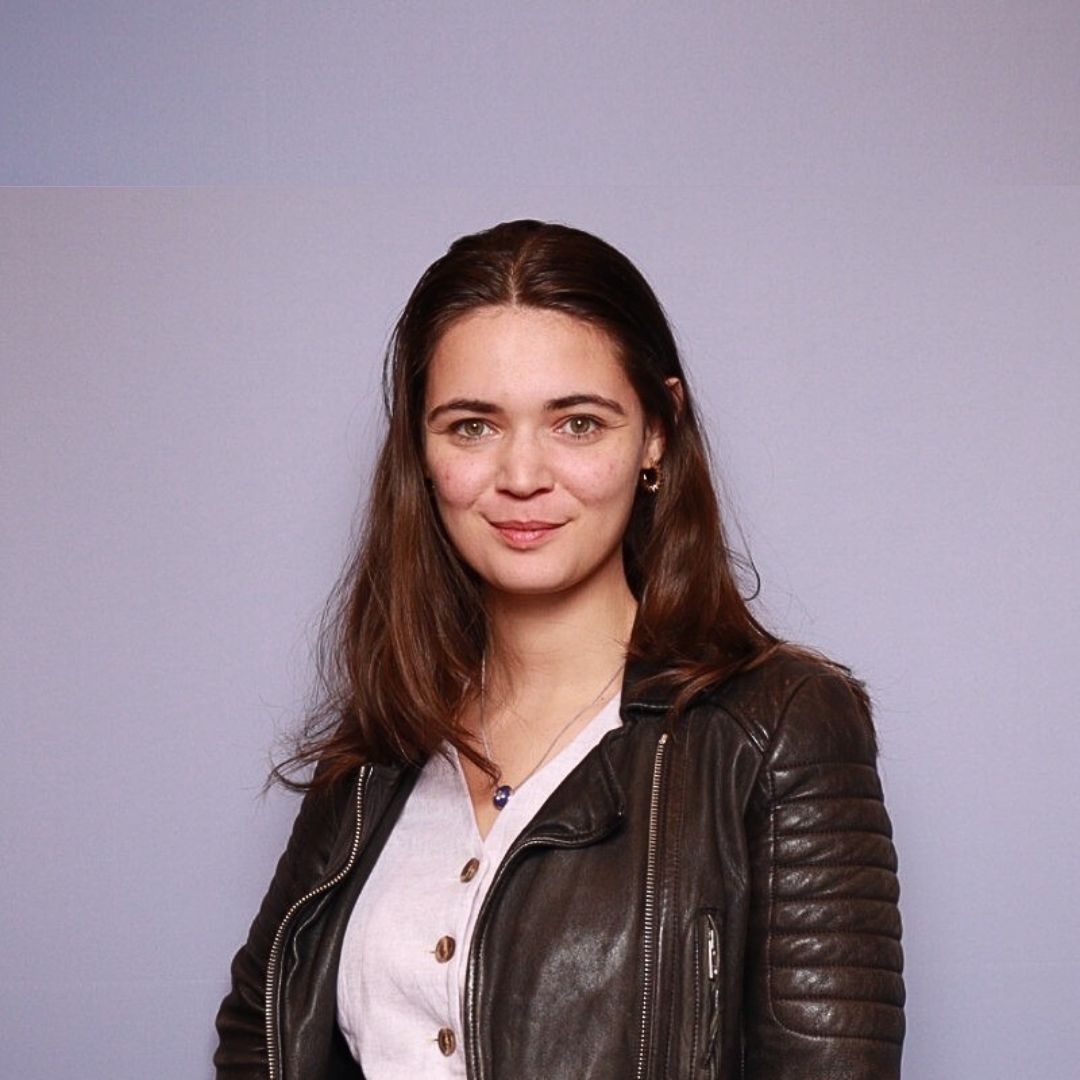
Meryem Arik
CEO & Co-Founder of Titan ML
Meryem Arik, CEO and Co-Founder of TitanML: $2.8 Million Raised to Revolutionize LLM Deployment


Andrew Shoaff
Chief Customer Officer and Head of Product of Rohirrim
Why Rohirrim moved product management under customer success instead of engineering | Andrew Shoaff