Ready to build your own Founder-Led Growth engine? Book a Strategy Call

Frontlines.io | Where B2B Founders Talk GTM.
Strategic Communications Advisory For Visionary Founders



Actionable
Takeaways
Leverage AI to tackle traditional problems:
Matt emphasized that AI, combined with established techniques like spectroscopy, can significantly improve outdated processes. Founders should explore how AI can unlock new efficiencies or solve long-standing challenges in their own industries.
Focus on a beachhead market first:
While HyperSpectral’s technology has numerous use cases across industries, the company targeted food safety as its initial market due to fewer regulatory hurdles. Prioritize markets that offer quicker wins, then expand into more complex sectors as you gain traction.
Being an outsider can be an advantage:
As an outsider to the pathogen detection field, Matt’s team brought fresh perspectives, asking questions that industry veterans might overlook. Founders entering new markets should see their lack of experience as an opportunity to innovate and challenge norms.
The value is in the software, not the hardware:
HyperSpectral’s technology is hardware-agnostic, focusing on the software's ability to process spectral data and deliver insights. Similarly, founders should consider whether the long-term value of their solution lies in software, which is often more scalable and adaptable.
Grind to find the real problem:
Identifying a viable market problem took extensive customer outreach and validation. Matt’s team spoke with everyone from farmers to grocers to confirm the need for a fast pathogen detection solution. Founders should invest time in deep customer discovery to ensure their product solves a real pain point before scaling.
Conversation
Highlights
How a Sales Hiring Platform Scaled from $0 to $3.5M ARR in 18 Months
In a recent episode of Category Visionaries, Matt Theurer, CEO and Co-founder of HyperSpectral, shared how his team built a sales hiring platform that’s transforming how companies screen candidates at scale. What started as a solution to a personal pain point has evolved into a category-defining product that’s processed over 4 million interviews.
The Origin Story: When Your Own Problem Becomes Your Product
Matt’s journey into building HyperSpectral wasn’t planned. He was running a staffing agency when he encountered a problem that would eventually become his company’s foundation. “We were having a hard time getting candidates on the phone,” Matt explains. “We would send out a Calendly link. Nobody would book a time.” The team tried everything—calling, texting, emailing—but couldn’t get enough candidates to complete phone screens to satisfy their clients’ hiring needs.
The breakthrough came from an unexpected place. Matt’s co-founder suggested recording interview questions and having candidates respond via phone. “We had like an 85% response rate,” Matt recalls. “So instead of getting one out of ten people on a scheduled call, we were getting eight and a half out of ten people leaving us a message that we could then listen to.” This simple insight—that candidates would engage asynchronously when they wouldn’t schedule calls—became the core of HyperSpectral’s value proposition.
Building the Product Without Building It
What’s remarkable about HyperSpectral’s early days is how little actual product existed before they found product-market fit. For the first year, the team operated with minimal technology. “We didn’t have a login. We didn’t have a product that logged you in for a year,” Matt shares. Instead, they manually managed everything—sending links via text, forwarding responses to clients, and handling the entire process by hand.
This approach wasn’t just about bootstrapping on a budget. It was strategic validation. “We kept it super manual for a really long time because we wanted to make sure that there was a real problem,” Matt explains. By keeping the operation lean and manual, they could iterate quickly based on customer feedback without being locked into premature technical decisions.
The turning point came when they realized the market opportunity extended far beyond staffing agencies. Matt describes the moment: “We realized that what we had built could be really useful for a lot more than just staffing companies.” They saw that any company hiring at volume—whether for sales roles, customer service positions, or hourly workers—faced the same fundamental challenge of screening large numbers of candidates efficiently.
The Go-to-Market Evolution: From Manual to Scalable
HyperSpectral’s GTM strategy evolved in three distinct phases, each building on lessons from the previous stage. Initially, they relied entirely on manual outbound prospecting. Matt and his team would identify potential customers, reach out directly, and close deals through personal relationships. This hands-on approach worked for getting the first customers, but it wasn’t scalable.
The second phase involved ramping up paid advertising, particularly on platforms like Facebook and LinkedIn. “We did a lot of paid advertising, especially on Facebook, and we still do some of that,” Matt notes. However, they quickly learned that paid channels alone weren’t enough to build a sustainable growth engine.
The third and current phase focuses on what Matt calls “trust-based marketing.” This shift was influenced heavily by the content strategies he observed from successful B2B companies. “I’ve learned so much about content in general from Chris Walker at Refine Labs,” Matt says. The realization was simple but powerful: instead of constantly asking for something from prospects, why not give them value first?
Building a Media Company Inside a Software Company
HyperSpectral’s approach to content is more ambitious than typical B2B marketing. They’re essentially building a media company. “We actually think of ourselves as a media company,” Matt explains. “We have a podcast, a YouTube channel, a newsletter. We’re creating content five days a week.” This isn’t just repurposed blog posts—it’s original, video-first content designed to build trust and authority.
The content strategy serves multiple purposes. First, it positions HyperSpectral as thought leaders in the recruiting and sales hiring space. Second, it creates multiple touchpoints with potential customers before they’re ready to buy. “People might listen to one of our podcasts or read an article or see a piece of content, and then six months later they have a need,” Matt notes. “They already know who we are.”
The team produces diverse content formats: podcast episodes featuring recruiting leaders, YouTube videos with tactical hiring advice, newsletter deep-dives on industry trends, and LinkedIn posts that spark conversations. Matt himself has become increasingly active on LinkedIn, using the platform to share insights and build relationships with potential customers.
The Sales Model: When to Do What Doesn’t Scale
One of Matt’s key insights is knowing when to embrace inefficient processes for the sake of learning and customer success. Even as HyperSpectral has grown, they’ve maintained a high-touch sales approach for certain customer segments. “We still do a lot of white glove service,” Matt says. “We’ll set up the account for them, help them write their questions, train their team.”
This isn’t scalable in the traditional sense, but it serves critical functions. It helps customers succeed faster, reducing churn. It provides the team with continuous feedback about what customers actually need. And it builds the kind of relationships that lead to referrals and case studies.
However, Matt is pragmatic about when to scale back this approach. “As we move more up market and work with larger companies, they don’t need as much hand-holding,” he acknowledges. The key is matching the level of service to the customer’s needs and willingness to pay.
The Path to $3.5M ARR: What Actually Moved the Needle
HyperSpectral’s growth from zero to $3.5 million in ARR over 18 months wasn’t the result of a single breakthrough. Instead, it came from compounding small wins across multiple channels. “It’s been a combination of things,” Matt reflects. “Some paid advertising, a lot of outbound, increasing our prices, building trust through content, getting referrals from happy customers.”
The lesson here is important for early-stage founders: don’t expect one channel to solve all your growth challenges. Matt’s advice is to “try a bunch of different things and see what works.” Some experiments will fail, but the ones that succeed can be doubled down on and optimized.
Recommended Founder
Interviews

Gabriel Bayomi Tinoco Kalejaiye
CEO and Co-Founder of Openlayer
Gabriel Bayomi, CEO and Co-Founder of Openlayer: $4.8 Million Raised to Power the Future of Machine Learning Testing



Don Gossen
CEO & Founder of Nevermined
How Nevermined coined “AI commerce” in 2023 to create category language before market adoption | Don Gossen

Inna Sela
CEO & Founder of illumex
Inna Tokarev Sela, CEO & Founder of illumex: $13 Million Raised to Power the Future of Enterprise LLM Deployments

Jorge Torres
CEO and Co-Founder of MindsDB
Jorge Torres, CEO and Co-Founder of MindsDB: $50 Million Raised to Enable Developers to Integrate Machine Learning into Applications


Jeong-Suh Choi
CEO of Bobidi
Jeong-Suh Choi, CEO Bobidi: Nearly $6 Million raised to Deliver Better, More Inclusive AI Solutions for Developers


Anton Antich
Founder & Chief Product Officer of EverWorker
Why EverWorker targets “boring billion-dollar companies” | Anton Antich

Ian Cairns
CEO & Co-Founder of Freeplay AI
How Freeplay built thought leadership by triangulating insights across hundreds of AI implementations | Ian Cairns

David Plon
CEO & Co-Founder of Portrait Analytics
David Plon, CEO & Co-Founder of Portrait Analytics: $10M Raised to Build an AI-Powered Thought Partner for Institutional Investors

Davit Baghdasaryan
Co-Founder and CEO of Krisp
Davit Baghdasaryan, Co-Founder and CEO of Krisp: $19 Million Raised to Build the Voice Productivity Category


David Reger
CEO of NEURA Robotics
David Reger, CEO of NEURA Robotics: €185M Raised to Power the Future of Cognitive Robotics

Ashley Montanaro
CEO and Co-Founder of Phasecraft
Ashley Montanaro, CEO & Co-Founder of Phasecraft: $22 Million Raised to Build the Future of Quantum Software

Rodrigo Liang
Co-Founder and CEO of SambaNova
Rodrigo Liang: the Story of SambaNova ($5+ Billion Valuation)


Kirti Dewan
Chief Marketing Officer of Fiddler AI
How to Lead an Internal AI Workshop w/ Kirti Dewan, Chief Marketing Officer of Fiddler AI


Sumanyu Sharma
CEO & Founder of Hamming AI
How Hamming AI accidentally created a new category by focusing on customer problems instead of category creation | Sumanyu Sharma ($3.8M Raised)

Ryan Alshak
CEO & Founder of Laurel
Ryan Alshak, CEO & Founder of Laurel: $55.7 Million Raised to Build the Future of Gen AI for Timekeeping


Krish Ramineni
CEO of Fireflies
Krish Ramineni, CEO of Fireflies: $19 Million Raised to Build the Future of AI Meeting Assistants

Amr Awadallah
CEO & Founder of Vectara
Amr Awadallah, CEO & Founder of Vectara: $53 Million Raised to Build the RAG-as-a-Service Category


James O’Brien
Co-Founder & COO of Ducky AI
James O’Brien, Co-Founder & COO of Ducky: $2.7 Million Raised to Build Internal Data Search for LLMs


Deon Nicholas
CEO & Co-Founder of Forethought
Deon Nicholas, CEO & Co-Founder of Forethought: $92 Million Raised to Power the Future of Customer Support with AI


Malte Pietsch
CTO & Co-Founder of Deepset
Malte Pietsch, CTO & Co-Founder of Deepset: $45 Million Raised to Build the Future of LLMs



Darko Vukovic
CEO & Founder of PolyAPI
Darko Vukovic, CEO & Founder of PolyAPI: $5 Million Raised to Transform Enterprise Middleware Through Native Code Developm

William Gaviria Rojas
Field CTO & Co-Founder of CoactiveAI
William Gaviria Rojas, Field CTO & Co-Founder of CoactiveAI: $44 Million Raised to Build the Future of Multimodal AI Applications

Alon Talmor
CEO & Founder of Ask-AI
Alon Talmor, CEO & Founder of Ask-AI: $20 Million Raised to Power the Future of Enterprise AI

Meryem Arik
CEO & Co-Founder of Titan ML
Meryem Arik, CEO and Co-Founder of TitanML: $2.8 Million Raised to Revolutionize LLM Deployment

Alan Cowen
CEO and Founder of Hume AI
Alan Cowen, CEO and Founder of Hume AI: Over $17 Million Raised to Measure and Improve How Technology Affects Human Emotion

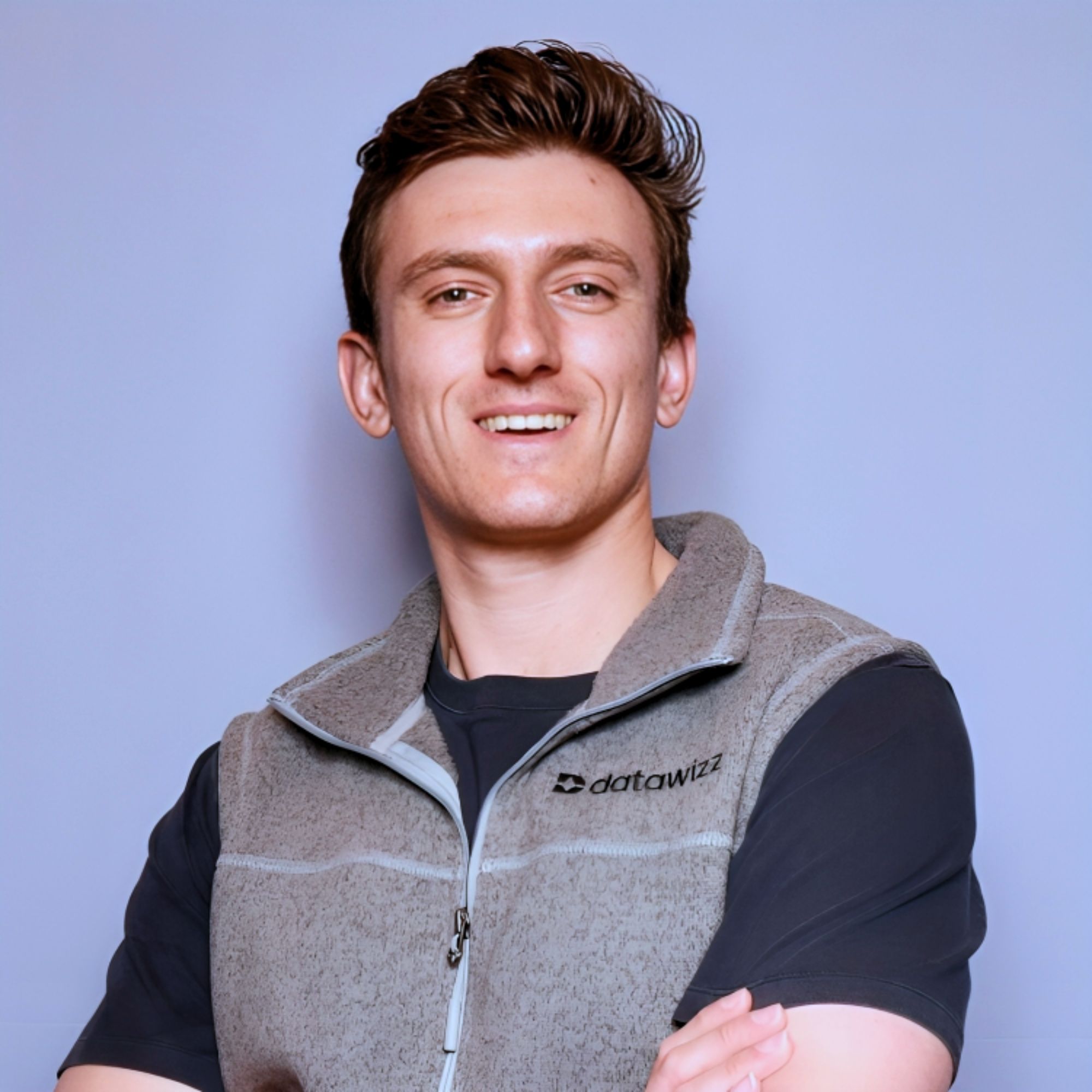
Iddo Gino
CEO & Founder of Datawizz
How Datawizz discovered the chasm between AI-mature companies and everyone else shaped their ICP | Iddo Gino


Bob van Luijt
CEO and Co-Founder of Weaviate
Bob van Luijt, CEO and Co-Founder of Weaviate: Over $67 Million Raised to Power the Future of Vector Databases


Jorge Penalva
CEO & Co-Founder of Lang AI
Jorge Penalva, CEO of Lang.ai: $40 Million+ Raised to Build the Customer Experience Operations Category


Kostas Pardalis
Co-Founder & CEO of Typedef
Why Typedef starts go-to-market activities during the design partner phase instead of after | Kostas Pardalis ($5.5M Raised)

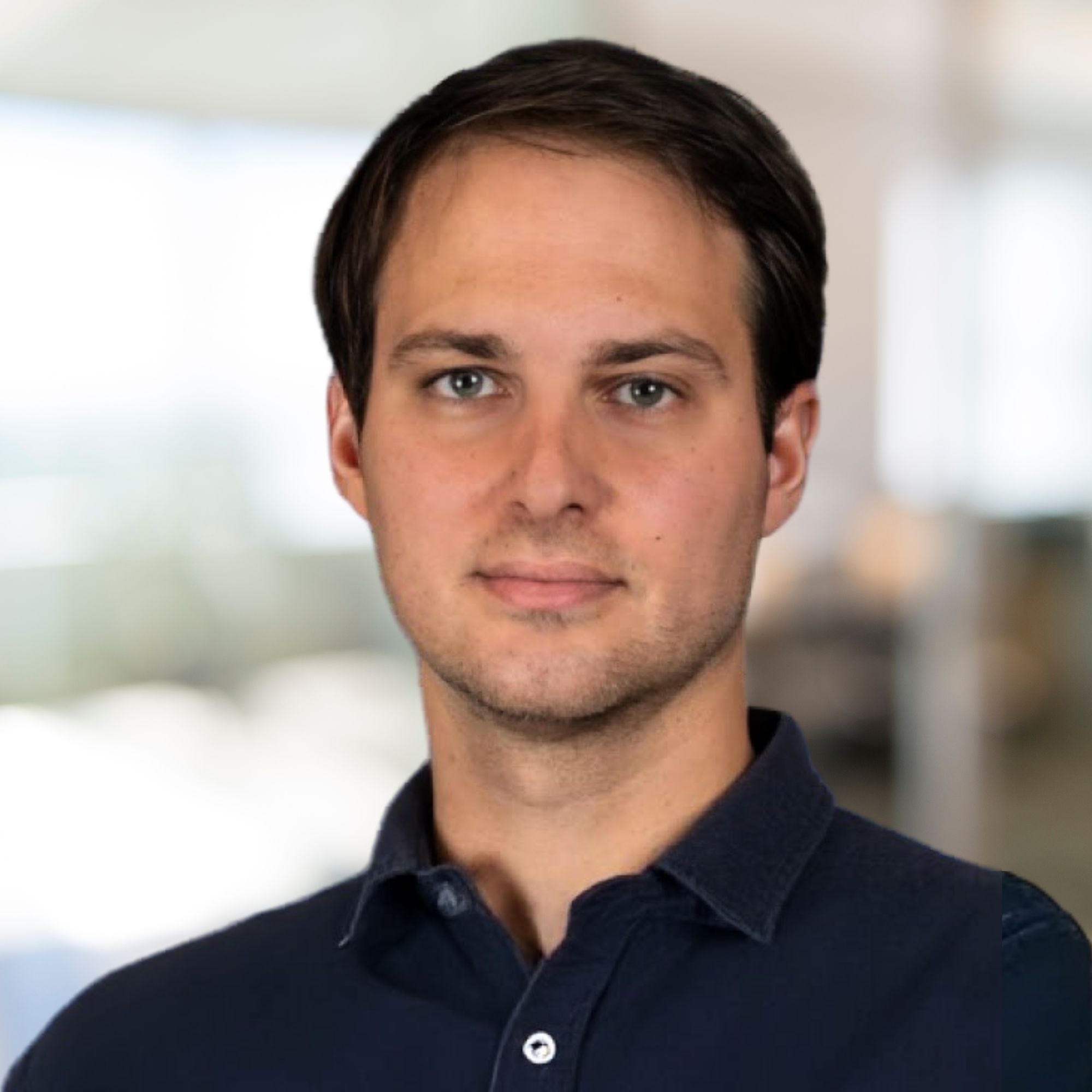
Alex Levin
CEO & Co-Founder of Regal AI
Alex Levin, CEO & Co-Founder of Regal AI: $82 Million Raised to Transform Customer Communication with Voice AI


Tanay Kothari
CEO and Co-Founder of Wispr Flow
How Wispr Flow manufactured viral moments by personally onboarding 500 users on Google Meet | Tanay Kothari ($56M Raised)

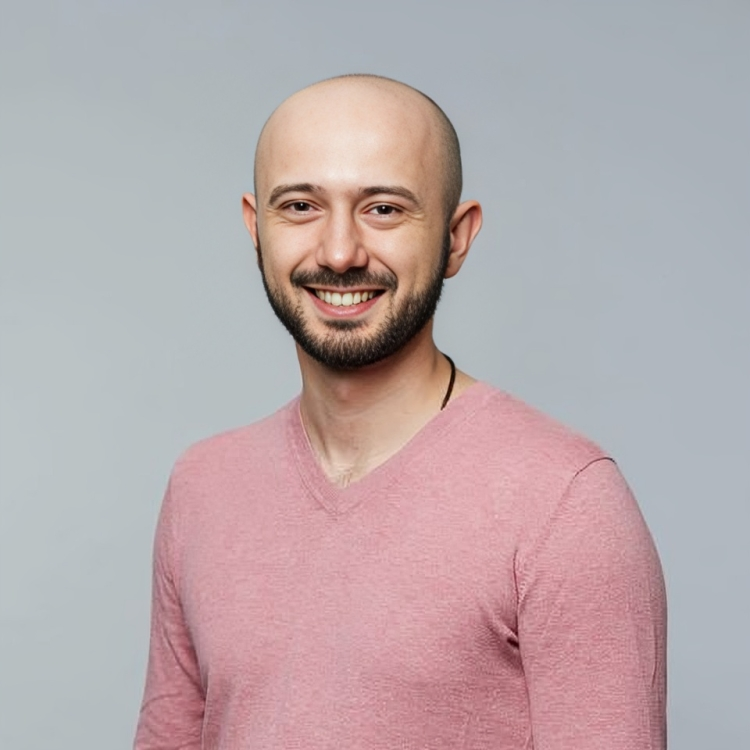
Vahan Petrosyan
CEO & Co-Founder of SuperAnnotate
Vahan Petrosyan, CEO & Co-Founder of SuperAnnotate: $53 Million Raised to Build the Future of AI Training Data Infrastructure


Sauraj Gambhir
Co-Founder of Prior Labs
Sauraj Gambhir, Co-Founder of Prior Labs: $9 Million Raised to Build Foundation Models for Structured Data

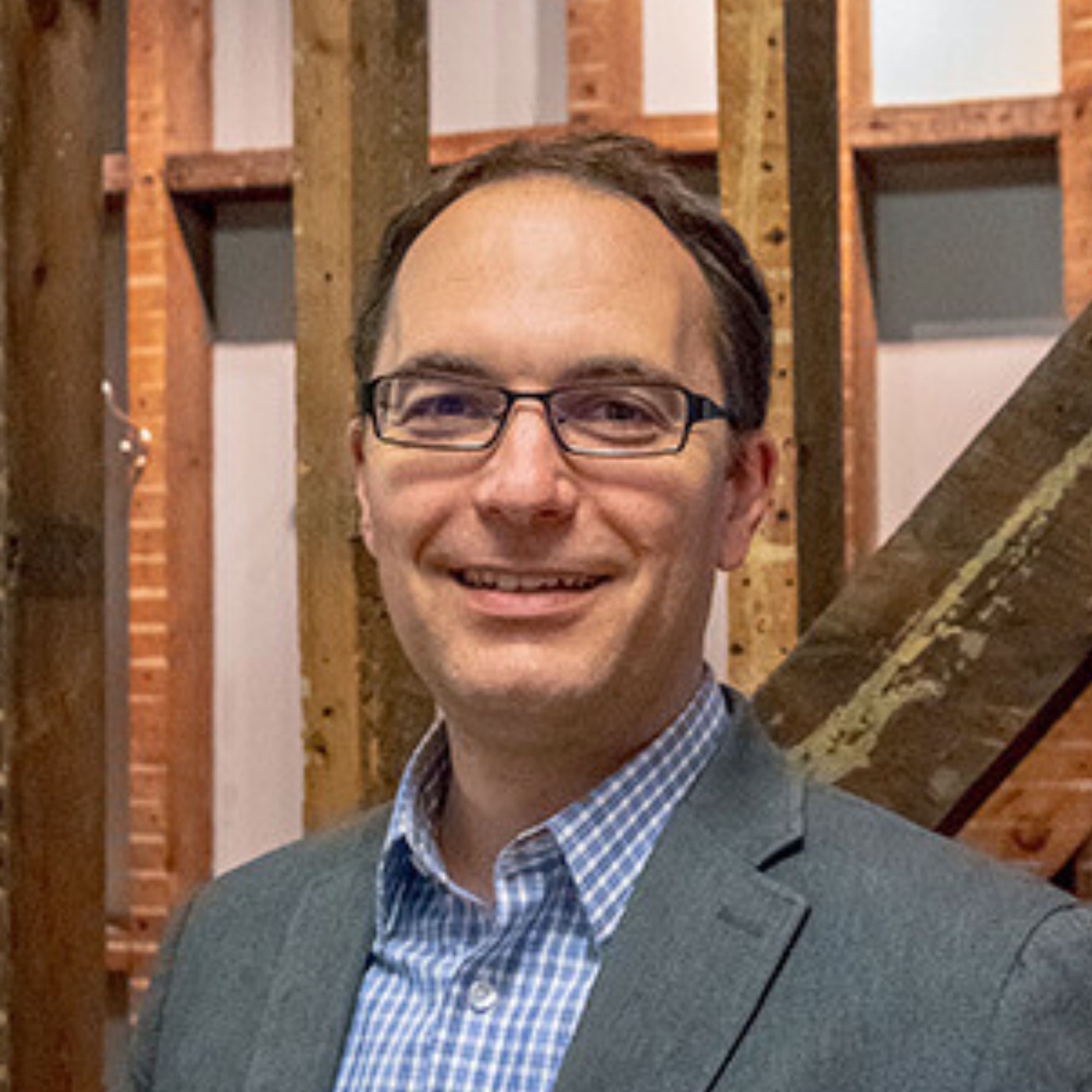
Jason Corso
Co-Founder and Chief Science Officer of Voxel 51
Jason Corso, Co-Founder and Chief Science Officer of Voxel 51: $15.5 Million Raised to Build the Future of Developer Tools for Machine Learning

Aimen Chouchane
Head of Marketing of IntelexVision
How IntelexVision Markets AI Video Analytics to Security Buyers

Mitesh Agrawal
CEO of Positron
How Positron AI is driving sales ahead of product | Mitesh Agrawal

Ravin Thambapillai
CEO and Co-Founder of Credal
Ravin Thambapillai, CEO and Co-Founder of Credal: $5 Million Raised to Build the Future of AI Security


Adam Schwartz
Co-Founder & CEO of Parable
How Parable achieved a 100% POC win rate in enterprise AI sales | Adam Schwartz


Phillip Liu
CEO of Trustero
Phillip Liu, CEO of Trustero: $8 Million Raised to Build the Future of Compliance AI

Abhishek Das
Co-Founder and Co-CEO of Yutori
How Yutori landed enterprise contracts without a sales team by letting prosumer word of mouth do the work | Abhishek Das, Co-CEO at Yutori


Jonathan Dambrot
CEO and Founder of Cranium
Jonathan Dambrot, CEO and Founder at Cranium: $32 Million Raised to Power the Future of AI Security



Patricia Thaine
Co-Founder & CEO of Private AI
Patricia Thaine, Co-Founder & CEO of Private AI: Over $11 Million Raised to Help Organizations Anonymize PII to Achieve Regulatory Compliance


Krishna Gade
CEO & Founder of Fiddler
Krishna Gade, CEO & Founder of Fiddler: $68 Million Raised to Build the Future of AI Observability


Amir Haramaty
Co-Founder of aiOla
Why aiOla targets CFOs — not IT buyers | Amir Haramaty, Co-Founder at aiOla


Johannes Peeters
Co-Founder & CEO of VoxelSensors
Johannes Peeters, Co-Founder & CEO of VoxelSensors: $7 Million Raised to Build the Future of Spatial Computing

Joe Witt
CEO & Co-Founder of Datavolo
Joe Witt, CEO & Co-Founder of Datavolo: $21 Million Raised to Unlock the Potential of Unstructured Data for AI


Nikola Borisov
CEO & Co-Founder of Deep Infra
Nikola Borisov, CEO & Co-Founder of Deep Infra: $9 Million Raised to Build the Future of AI Model Hosting


Deirdre Mahon
VP of Marketing of super{set}
Why Marketing Beats Sales Hiring at AI Startups


Adi Bathla
CEO & Co-Founder of Revv
Adi Bathla, CEO & Co-Founder of Revv: $33 Million Raised to Power the Future of Auto Repair

Justin Fineberg
CEO & Co-Founder of Cassidy
How Cassidy achieved 90% content performance consistency across TikTok and Instagram | Justin Fineberg


Jae Lee
Co-founder & CEO of TwelveLabs
How TwelveLabs sells AI to federal agencies: Mission alignment over process optimization | Jae Lee
Richard Potter
Co-Founder and CEO of Peak
Richard Potter, Co-Founder and CEO at Peak: $118 Million Raised to Power the Future of AI-Enabled Businesses

Sud Bhatija
Co-Founder & COO of Spot AI
Sud, Co-Founder & COO of Spot AI: $93 Million Raised to Build Video AI Agents for the Physical World


Harry Xu
CEO and Co-Founder of Breeze ML
Harry Xu, CEO and Co-Founder of Breeze ML: $4.6 Million Raised to Create the Future of AI Governance


Suman Kanuganti
How Personal AI scales enterprise contracts by selling to COOs and business users first | Suman Kanuganti ($16M Raised)

Soham Mazumdar
How Wisdom AI reduces enterprise trial time-to-value from weeks to minutes | Soham Mazumdar


Barbara Lewis
CMO of Coactive AI
The Siebel vs Salesforce Truth Every B2B Marketer Should Know

Michael Louis
Co-Founder & CEO of Cerebrium
How Cerebrium generated millions in ARR through partnerships without a sales team | Michael Louis

Aron Kirschen
CEO of SEMRON
Aron Kirschen, CEO of SEMRON: $7.3M Raised to Build Ultra-Efficient 3D AI Chips

Ryan Sevey
CEO of Mantium
Ryan Sevey, CEO of Mantium: $12 Million Raised to Help Teams Deploy and Monitor their AI Process Automations

Douwe Kiela
CEO and Co-Founder of Contextual AI
Douwe Kiela, CEO and Co-Founder of Contextual AI: $20 Million Raised to Build the Future of Enterprise Language Models


Tony Zhang
Founder & CEO of Tera AI
Tony Zhang, Founder & CEO of Tera AI: $8M Raised to Build the Future of Robotics Operating Systems


Andrew Shoaff
Chief Customer Officer and Head of Product of Rohirrim
Why Rohirrim moved product management under customer success instead of engineering | Andrew Shoaff


Igor Jablokov
Chairman of Pryon
Igor Jablokov, Chairman of Pryon: $50+ Million Raised to Build the Future of Enterprise Knowledge Management

John Belizaire
CEO of Soluna
John Belizaire, CEO of Soluna: $180 Million Raised to Power the Future of Renewable Computing for AI