Ready to build your own Founder-Led Growth engine? Book a Strategy Call

Frontlines.io | Where B2B Founders Talk GTM.
Strategic Communications Advisory For Visionary Founders



Actionable
Takeaways
Map pain perception across org levels to find economic buyers:
Employees experienced leave management as "taking me a lot of time"—roughly 20 hours of taxes-level complicated paperwork. Director-level HR leaders, CFOs, and employment lawyers saw something entirely different: retention problems from employees leaving after bad leave experiences, litigation risk from compliance gaps across jurisdictions, thousands spent on employment lawyers for each leave event, and payroll calculation errors when state programs cover partial wages. Deborah's initial consumer product hypothesis failed because employees would only pay TurboTax pricing (~$50), requiring massive volume. The enterprise motion succeeded because strategic buyers owned the full cost stack. Map how pain manifests at each organizational level, then build your ICP around whoever owns the aggregate business impact rather than the tactical workflow friction.
Build ROI models around error prevention, not efficiency gains:
Sparrow doesn't sell time savings—they sell payroll accuracy. Their typical customer sees 4-10x financial ROI because the platform prevents mistakes that cost significantly more than the subscription. When paperwork is filed incorrectly, employees miss 60-70% of pay for 12-20 weeks, and with 70% of Americans living paycheck-to-paycheck, employers often make up the difference to prevent attrition. A $100K Sparrow investment typically saves $1M+ in payroll corrections alone, before counting the thousands in hours HR spends with employment lawyers for each leave event. Calculate the true cost of the status quo—including error correction, compliance penalties, and retention impact—not just the labor hours your product eliminates.
Design qualification frameworks for roadmap fit, not just current pain:
Deborah emphasizes that "everyone has this problem, but not everyone is going to be a fit for the product today and where it's going to be two years from now." Sparrow deliberately vets whether prospects will be excited about their product evolution 3-4 years forward, not just whether they have leave management pain today. This drives retention and customer advocacy as capabilities expand. Build qualification criteria that assess prospect-product alignment across the entire customer lifecycle—including future module adoption, integration depth, and use case expansion—rather than optimizing only for closing deals on current functionality.
Treat hiring as systematic sourcing, not urgent gap-filling:
Despite being in "back-to-back calls all day" unable to "send order forms fast enough," Deborah took time to reach out to approximately 100 candidates to make their first sales hire. She emphasizes defining what each role should accomplish 5-10 years out, then building sourcing strategies to achieve 50% confidence in that long-term outcome. This intentional approach—coupled with her value of "scaling intentionally"—enabled efficient growth without typical scaling chaos. Resist the startup default of "just hire someone fast." Instead, invest upfront in role definition (including the 5-year trajectory), source systematically rather than opportunistically, and accept lower short-term velocity for higher long-term scaling efficiency.
Recognize emotional volatility as statistical artifact, not signal:
Deborah reframes the classic startup "highs and lows" through a data science lens: with sparse early data, founders overfit to individual signals. One person saying "your product is stupid" triggers existential doubt; one saying "everyone should use it" creates irrational exuberance. As companies scale and data accumulates, the noise averages out—70% neutral-to-good outcomes with 30% fires becomes manageable rather than anxiety-inducing. She found scaling "much easier than that first year" because "you can sort of plot out your trend line and you can see where you're going." Build systems to accumulate data points faster (more customer conversations, more experiments, more leading indicators), recognize that early-stage emotional swings reflect sample size rather than reality, and make decisions based on trend lines rather than individual data points.
Conversation
Highlights
How Sparrow Discovered Economic Buyers Don’t Experience the Pain They Pay to Solve
The person experiencing workflow friction rarely writes the check. Deborah Hanus learned this the hard way—and that insight transformed Sparrow from a consumer app into a platform achieving 14x revenue growth between Series A and Series B.
When Six Data Points Become a Pattern
Deborah was halfway through a Harvard PhD in machine learning when leave management became impossible to ignore. “There was this one six month period where six of my friends went out on some kind of leave, parental leave, medical leave, caregiving leave,” she explains. “All of them struggled with the paperwork, the process, just figuring out spend hours on hold with state agencies just trying to understand the basics of how they were going to get paid.”
The signal strengthened when she mapped who these people worked for. “My friends were all Harvard and MIT grads with incredible jobs in tech at Amazon, Facebook, Google. If anyone’s HR teams understood how to manage this, you would think that Google’s would.”
If sophisticated tech companies with extensive HR resources couldn’t solve this, the problem wasn’t about capability—it was structural. The regulatory landscape had created what Deborah calls “an insurmountable problem” as federal protections remained unchanged while “all these programs are getting passed everywhere else”—states, counties, and cities each adding conflicting requirements for distributed teams.
The $50 Unit Economics Problem
Deborah’s initial product hypothesis followed conventional wisdom: build for the user experiencing the pain. Employees spent roughly 20 hours navigating what she describes as “taxes-level complicated” paperwork. “If you can imagine needing to file your taxes without TurboTax, without an accountant, that’s roughly how difficult this paperwork is.”
The analogy suggested a pricing model. Consumers pay approximately $50 for TurboTax, so Deborah initially positioned leave management as a consumer product at similar price points.
The economics didn’t work. High volume requirements, low margins, difficult customer acquisition—the model couldn’t support venture scale. More importantly, she was solving for the wrong stakeholder.
Mapping Pain Across Organizational Levels
The breakthrough came from systematic customer discovery conversations. “I would say like director level and above, chief people officers, CFOs get it right away. Lawyers usually get it right away,” Deborah notes.
But what specifically did they understand that employees didn’t?
Director-level HR leaders weren’t seeing 20 hours of employee time. They were seeing: retention erosion from employees “leaving at the end of their leave” after poor experiences, litigation exposure as someone on their team spent time “on Google saying, okay, someone needs to take a leave, what state are they in, what city are they in, what county are they in,” thousands in employment lawyer fees “to understand the basics of the compliance, and then when someone goes out on leave again, I’m doing the same thing all over again,” and most critically, payroll errors with massive financial impact.
The payroll calculation issue created the clearest ROI. “If you make a mistake on this paperwork, you might be missing out on 60 to 70% of your pay for 12 to 20 weeks. And if you consider the fact that 70% of the US is living paycheck to paycheck, that actually can feel absolutely devastating.” When employees made errors, employers typically absorbed the cost rather than risk attrition.
This is where Deborah’s value proposition crystallized: “Incredibly, Sparrow actually usually saves most of our customers money. Most of our customers see a 4-10x financial ROI where, you know, if they’re spending $100,000 on Sparrow, they’re most likely saving at least a million in payroll costs by just making sure that like your taxes, the paperwork is actually filed on time.”
The economic buyer wasn’t experiencing the workflow friction. They owned the aggregate financial risk.
Founder-Led Sales Without Sales Skills
By mid-2019, Deborah started selling despite what she describes as being “possibly anti good at sales, a little bit too honest, a little bit too upfront about things.” Her engineering background meant she had “no sales background” and “did not enter this especially good at sales.”
Product-market fit compensated for technique. Within a year, while running product and “everything else” simultaneously, she closed $1.2 million in revenue.
Demand accelerated through early 2020. “I was like, I can’t—I’m so stressed out. I can’t—I’m in back to back calls all day and I just can’t send the order forms fast enough.” A friend’s response: “Deborah, your problems are not real problems.”
The product sold itself because it solved what Deborah identified as “the absolute worst part of their day. The thing that stresses them out the most” for someone on every HR team. They were “living in fear of getting their company sued” and “just want someone to help them through this process.”
Systematic Sourcing vs. Urgent Hiring
Despite explosive demand, Deborah prioritized systematic hiring over speed. For their first sales hire, “I think probably we reached out to something like 100 people to get that first hire. Which if anyone in hiring is listening, that’s not a pass through rate that you want.”
The low conversion rate reflected her methodology: “What is this role supposed to accomplish for us? What is the, in the best case scenario, what will this person be doing in the company five years from now, ten years from now? And how do I get the data I need to, you know, be at least 50% confident…this person is going to be the right person to do that.”
This approach—prioritizing long-term role trajectory over immediate gap-filling—enabled Sparrow to scale efficiently without typical scaling chaos. “If you’re getting those right people into the right roles, they can define their own problems often to then make sure that things really the right problem set and the right solution set to make sure that the team is consistently doing the right thing.”
Displacement Economics Over Competitive Differentiation
Sparrow’s competitive positioning reflected their market reality. “Our biggest competitor is someone managing this in house who wishes they were not managing this in house,” Deborah explains.
This insight shaped their entire sales strategy. Rather than feature comparison against other vendors, they quantified displacement economics: the true cost of manual management including thousands of HR hours annually, recurring employment lawyer expenses for each leave event, payroll error corrections, compliance risk exposure, and retention impact from poor employee experiences during vulnerable life moments.
The company’s positioning became “making it simple for companies to provide their employees with leave” rather than “better than alternative X.”
Reframing Volatility as Sample Size
Deborah’s data science background provided useful framing for founder psychology. She describes startup “highs and lows” as overfitting to sparse data.
“As a data person, I think that what this actually is you have very little data to base a decision on. So if someone says, I think your product is stupid, they’re just like, oh, maybe my product is stupid. Whereas if someone says, wow, I love your product, everyone should use it, you’re like, oh, this is great, it’s going to be so big. So you just sort of overfit, like, you know, these mildly negative or mildly positive data points.”
As data accumulates through scaling, emotional volatility naturally decreases. “At any given time, you know, there are always going to be some things that are going great and some things that are going less well, but you know, if you look around and you’re like, 70% seems to be neutral or good and 30% is on fire, you know, the fires don’t bother you as much.”
She found that “personally, I found scaling much easier than that first year because once you start to see, like, you can sort of like plot out your trend line and you can see where you’re going and then everything may—everything makes sense.”
The tactical implication: build systems to accumulate data points faster rather than trying to improve emotional regulation.
Qualifying for Multi-Year Alignment
Deborah’s current customer qualification framework extends beyond current pain validation. “Everyone has this problem, but not everyone is going to be a fit for the product today and where it’s going to be two years from now, three years from now, four years from now, and certainly five years from now, it will be a fit for everyone.”
She deliberately vets prospects for excitement about Sparrow’s product roadmap multiple years forward, not just whether they have leave management pain today. This ensures high retention and organic advocacy as capabilities expand—customers who bought into the vision remain engaged as it materializes.
The Pattern for B2B Founders
Sparrow’s journey from consumer hypothesis to 14x revenue growth and $64 million in total funding demonstrates a repeatable pattern: the person experiencing workflow friction often can’t articulate or pay for the aggregate business impact. Finding the organizational level that owns strategic risk rather than tactical pain—and understanding how they quantify that risk—determines whether you’re building a feature or a category.
For Deborah, that meant discovering that while employees experienced leave as frustrating paperwork, director-level leaders saw retention risk, litigation exposure, and million-dollar payroll errors. The difference between those two perceptions was the difference between a $50 consumer app and exponential enterprise growth.
Recommended Founder
Interviews


Peter Briffett
CEO and Co-Founder of Wagestream
Peter Briffett, CEO and Co-Founder of Wagestream: $370 Million Raised to Provide Financial Wellbeing for Every Frontline Employee


Joseph Fung
CEO of Uvaro
Joseph Fung, CEO of Uvaro: $15 Million Raised to Build the Career Success Platform Category


Tom Griffiths
CEO and Co-founder of Hone
Tom Griffiths, CEO of Hone: $50 Million Raised to Build the Future of Corporate Training


Andres Blank
Co-founder & CEO of Fetcher
Andres Blank, CEO of Fetcher: $40 Million+ Raised to Build the Future of Recruiting Automation


Barbra Gago
CEO and Founder of Pando
Barbra Gago, CEO and Founder of Pando: $7 Million Raised to Build the Future of Career Advancement


Matthew Sydney
CEO & Founder of Beanstalk Benefits
Matthew Sydney, CEO & Founder of Beanstalk Benefits: $7.5 Million Raised to Build the Future of On-Demand Employee Benefits


Mike Fitzsimmons
CEO and Co-Founder of Crosschq
Mike Fitzsimmons, CEO & Co-Founder of Crosschq: $35 Million Raised to Power the Future of AI-Driven Hiring Intelligence

Sam Naficy
CEO of Prodoscore
Sam Naficy, CEO of Prodoscore: $4 Million Raised to Build the Future of Employee Productivity Measurement


Wes Winham Winler
Founder/CEO of Woven
Wes Winham Winler, CEO of Woven: $11 Million Raised to Transform How Companies Recruit and Hire Developers




Stephen Johnston
CEO and Founder of GoodJob
Stephen Johnston, CEO and Founder of GoodJob: $9 Million Raised to Power the Future of Human Capital Management


Anthony Mironov
CEO and Co-Founder of Wingspan
Anthony Mironov, CEO and Co-Founder of Wingspan: $30 Million Raised to Power the Contractor Experience of the Future


Jaclyn Chen
CEO of Benepass
Jaclyn Chen, CEO of Benepass: $14 Million Raised to Build the Future of Employee Benefits Management

Jared Pope
CEO and Co-Founder of Work Shield
Jared Pope, CEO and Co-Founder of Work Shield: $12 Million Raised to Eliminate Workplace Misconduct


Tomer London
Co-founder and Chief Product Officer of Gusto
How Gusto scaled to 400,000+ customers without traditional sales: The consumer-first B2B playbook ($9.5B Valuation)

Matt Pierce
CEO of Immediate
Matt Pierce, CEO of Immediate: $15 Million Raised to Eliminate the Costly Price of Financial Stress in the Workforce


Holly Tate
CMO of Leadr
Holly Tate, CMO of Leadr: Building the Future of People Development Platforms


Tony Jamous
CEO of Oyster
Tony Jamous, CEO of Oyster: $220+ Million Raised to Build the Global Employment Platform (GEP) Category


Sammy Singh
CEO and Co-Founder of WurkNow
Sammy Singh, CEO and Co-Founder of WurkNow: $15 Million Raised to Power the Future of Staffing


Allen Narcisse
Founder & CEO of Gigs
Allen Narcisse, Founder & CEO of Gigs: $5.7 Million Raised to Build the Future of Blue Collar Hiring


Dan Beck
Dan Beck, CEO & Co-Founder of 401GO: $14 Million Raised to Build the Future of Retirement Benefits for Small Businesses


Kian Katanforoosh
CEO & Founder of Workera
Kian Katanforoosh, CEO of Workera: $21 Million Raised to Build the Skills Intelligence Category


Chris Johnson
Growth Marketing Lead of Gun.IO
Chris Johnson, Growth Marketing Lead at Gun.IO: Competing in the Future of Freelance Developer Marketplaces


Alex Cwirko-Godycki
How Pave is Defining and Dominating the Compensation Intelligence Category


Michael Ioffe
CEO & Co-Founder of Arist
Michael Ioffe, CEO & Co-Founder of Arist: $16 Million Raised to Build the Future of Autonomous L&D


Barb Hyman
CEO & Founder of Sapia AI
Barb Hyman, CEO & Founder of Sapia AI: $21 Million Raised to Build the Future of AI-Powered Recruiting


Amit Bhatia
CEO & Co-Founder of Data People
Amit Bhatia, Co-Founder and CEO of Data People: $21 Million Raised to Build the Future of Recruiting Intelligence


Charlotte Dales
CEO & Co-Founder of Inclusively
Charlotte Dales, CEO & Co-Founder of Inclusively: $20 Million Raised to Transform Workplace Personalization

Siadhal Magos
CEO & Co-Founder of Metaview
Siadhal Magos, CEO & Co-Founder of Metaview: $14 Million Raised to Power the Future of AI-Driven Hiring


Rob Sadow
CEO & Co-Founder of Scoop
Rob Sadow, CEO & Co-Founder of Scoop: $8 Million Raised to Build the Future of Hybrid Team Coordination


Albert Owusu-Asare
CEO & Co-Founder of Cadana
Albert Owusu-Asare, CEO & Co-Founder of Cadana: $7 Million Raised to Build the Future of Global Payroll Infrastructure


Andy Berman
CEO and Founder of Vowel
Andy Berman, CEO and Founder of Vowel: $13 Million Raised to Power the Future of Meetings


Jason Lavender
CEO of Electives
Jason Lavender, CEO of Electives: $10M Raised to Redefine Corporate Training


Cristina Bunea
Head of Marketing of Paraform
From Code to Content: Building B2B Marketing That People Crave


Erik Braund
CEO & Founder of Katmai
Erik Braund, CEO & Founder of Katmai: $30 Million Raised to Build the Future of Virtual Work


Aaron Wang
CEO & Co-Founder of Alex
How Aaron Wang justified spending $500K+ on the domain Alex.com | Aaron Wang


Warren Lebovics
Co-Founder of Pequity
Warren Lebovics, Co-Founder of Pequity: $19 Million Raised to Build the Future of Employee Compensation


Ron Gura
CEO & Co-Founder of Empathy
How Empathy landed 9 of the top 10 US life insurance carriers | Ron Gura


Chandler Malone
Founder of Bootup
Chandler Malone, Founder of Bootup: $2 Million Raised to Solve the Tech Talent Crisis


Hanns Aderhold
Founder and CEO of Cobrainer
Hanns Aderhold, Founder and CEO of Cobrainer: $21 Million Raised to Build the Future of Skills Data Platforms


Prem Kumar
CEO | Co-founder of Humanly
Prem Kumar, CEO of Humanly.io: $5.5 Million Raised to Build the Conversational Hiring Category


Brett Martin
President and Co-Founder of Kumospace
Brett Martin, President and Co-Founder of Kumospace: $25 Million Raised to Power the Future of Virtual Offices


René Janssen
CEO and Founder of Lepaya
René Janssen, CEO & Founder of Lepaya: $85 Million Raised to Build the Future of Employee Training


Rob Whalen
CEO of PTO Exchange
Rob Whalen, CEO of PTO Exchange: $5M Raised to Empower Companies to Rethink Paid Time Off


Omer Glass
Co-Founder and CEO of GrowthSpace
Omer Glass, Co-Founder and CEO of GrowthSpace: $44 Million Raised to Build the Future of Employee Development


Sebastian Schüller
Co-founder of HiPeople
Sebastian Schüller, Co-founder of HiPeople: $7 Million Raised to Develop Data-Driven Augmentation for Hiring Teams


Jennifer Dulski
CEO & Founder of Rising Team
Jennifer Dulski, CEO & Founder of Rising Team: $11 Million Raised to Build the Future of Team Performance


Ian White
Founder of ChartHop
Ian White, Founder, CEO and CTO of ChartHop: $74 Million Raised to Build the Future of PeopleOps


Nancy Xu
CEO & Founder of Moonhub
Nancy Xu, CEO & Founder of Moonhub: $10 Million Raised to Power the Future of AI-Driven Recruiting


Laura McGee
Founder and CEO of Diversio
Laura McGee, CEO of Diversio: $6 Million Raised to Help Organizations Measure and Improve DEI


Cindy Goodrich
Chief Marketing Officer of Empathy
Building Trust in Grief: Why Empathy Bought Their Domain Early


Nishika de Rosairo
CEO and Founder of HumanQ
Nishika de Rosairo, CEO and Founder of HumanQ: $3.5 Million Raised to Build the Future of Human Development


Ben Sesser
CEO & Founder of BrightHire
Ben Sesser, CEO & Founder of BrightHire: $36 Million Raised to Build the Interview Intelligence Category


Will Sealy
CEO and Co-Founder of Summer
Will Sealy, CEO and Co-Founder of Summer: Over $18 Million Raised to Help Organizations Provide Student Loan Benefits


Nicole Fuselier
VP of Marketing of Bonusly
Revenue-Driven Marketing: Insights from Nicole Fuselier of Bonusly


Nitzan Yudan
Nitzan Yudan, CEO & Founder of Benivo: $30 Million Raised to Transform Global Workforce Mobility


Ben Zweig
CEO of Revelio Labs
Ben Zweig, CEO of Revelio Labs: $19 Million Raised to Build the Future of Workforce Intelligence


Virgile Raingeard
CEO of Figures
Virgile Raingeard, CEO of Figures: €8.5 Million Raised to Build the Future of Compensation Intelligence


Karoli Hindriks
Founder of Jobbatical
Karoli Hindriks, Founder of Jobbatical: $23 Million Raised to Build the Future of Global Mobility with AI-Powered Relocation Solutions


Kelsey Bishop
Founder and CEO of Candor
Kelsey Bishop, Founder and CEO of Candor: $5 Million Raised to Build the Future of Professional Relationship-Building


Lucas Mendes
Co-Founder and CEO of Revelo
Lucas Mendes, CEO of Revelo: $48.7 Million Raised to Build the Backbone of Tech Talent for the Age of AI


John Kim
Co-Founder & CEO of Paraform
John Kim, Co-Founder & CEO of Paraform: $5 Million Raised to Build the Future of Recruiting with a Marketplace for Specialized Talent


Dirk Doebler
Founder and CEO of Parento
Dirk Doebler, Founder and CEO of Parento: $4.5 Million Raised to Build the Future of Paid Parental Leave


Nikki Stones
VP of Marketing of Ben
Building an In-House Podcast Studio for Enterprise ABM w/ Nikki Stones (Two-time guest!)


Kevin Busque
CEO and Founder of Guideline
Kevin Busque, CEO and Founder of Guideline: $339 Million Raised to Help More Small Businesses Offer Retirement Plans


Daniel Birkholm
Founder & CEO of TalentHub
Daniel Birkholm, TalentHub: $6 Million Raised to Transform How Organizations Measure and Improve Their Hiring Experience


Marcelo Lebre
President of Remote
Marcelo Lebre: the Story of Remote ($3 Billion+ Valuation)


Achuthanand Ravi
Founder & CEO of Kula
Achuthanand Ravi, CEO of Kula: $14 Million Raised to Build the Future of Recruiting


Sloane Barbour
CEO & Founder of engin
Sloane Barbour, CEO & Founder of engin: $4 Million Raised to Transform AI-Powered Recruiting


David Murray
Cofounder & CEO of Confirm
How Confirm targets HR leaders in their first 60 days to close enterprise deals faster | David Murray


Jerome Ternynck
Founder and CEO of SmartRecruiters
Jerome Ternynck: the Story of SmartRecruiter ($1.5 Billion Valuation)


Matt Watson
CEO and Founder of Origin
Matt Watson, CEO and Founder of Origin: Over $70 Million Raised to Make Financial Wellness the Next Big Employee Perk



Jeremy Johnson
CEO & Co-Founder of Andela
Jeremy Johnson: the Story of Andela ($1.5 Billion Valuation)


Jason Radisson
CEO and Founder of Movo
Jason Radisson, CEO and Founder of Movo: Over $9 Million Raised to Build the Future of HR Automation


Tuck Hauptfuhrer
CEO & Co-Founder of EarnBetter
Tuck Hauptfuhrer, CEO & Co-Founder of EarnBetter: $4.5 Million Raised to Build the Future of AI-Powered Job Search


Hanna Asmussen
CEO and Co-Founder of Localyze
Hanna Asmussen, CEO and Co-Founder of Localyze: Over $48 Million Raised to Build the Leading Global Mobility Platform for Companies and Employees

Marcelo Lebre
President of Remote
Marcelo Lebre, Co-founder & COO of Remote: Nearly $500 Million Raised to Power the Distributed Workforce of the Future


Sid Upadhyay
Co-Founder & CEO of WizeHire
Sid Upadhyay, Co-Founder & CEO at WizeHire: Over $30 Million Raised to Help SMBs Hire Great Talent


Josh Merrill
CEO of Confirm
Josh Merrill, CEO of Confirm: Over $11 Million Raised to End the Performance Review Nightmare

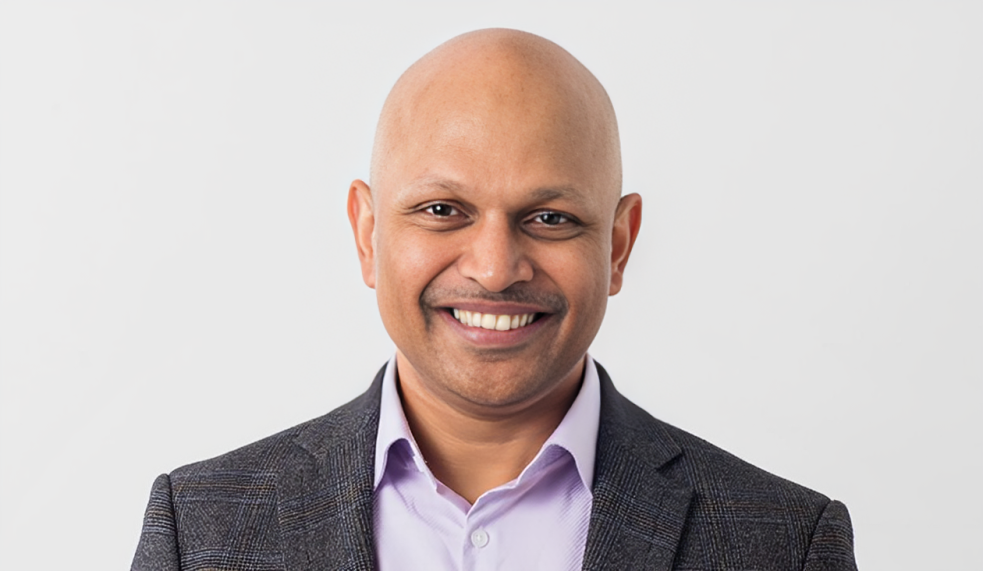
Raghu Gollamudi
CEO and Co-Founder of Included
Raghu Gollamudi, CEO and Co-Founder of Included: $5.4 Million Raised to Build the Future of HR Analytics