Ready to build your own Founder-Led Growth engine? Book a Strategy Call

Frontlines.io | Where B2B Founders Talk GTM.
Strategic Communications Advisory For Visionary Founders



Actionable
Takeaways
Choose your investors and board strategically:
Charlotte learned the importance of building a supportive board that acts as true partners. As she noted, "You really need to find people who want to be on a team with you when it comes to a board and investors and in the trenches." Founders should carefully evaluate potential investors beyond just capital, looking for those who will provide meaningful support during challenging times.
Trust your instincts on pivots:
When market conditions change, founders need to be willing to evolve their product strategy. Charlotte explained, "Where there's a will, there's a way... If your product isn't perfectly aligned to what the market needs, you pivot." The key is balancing quick decisions in urgent situations while taking time for careful consideration when possible.
Rethink traditional enterprise marketing:
Cold outreach and demand generation may not be effective for enterprise sales in today's environment. Inclusively found success by systematically leveraging investor and customer networks, with Charlotte sharing, "We tripled our weekly meeting rates" after implementing a structured approach to warm introductions through investors.
Build product with enterprise design partners:
When pivoting their product strategy, Inclusively worked closely with Salesforce as their first pilot customer. Charlotte emphasized the value of "interviewing them, having them help us build this product" to ensure market fit. Founders should seek out and deeply engage with marquee customers who can help shape and validate new solutions.
Align marketing with customer success:
For enterprise companies, Charlotte recommends closely integrating marketing with the teams delivering customer value. This ensures marketing messages reflect real customer needs and wins, noting "Anything we learn from a customer perspective is going into marketing within the same day."
Conversation
Highlights
When Traditional Enterprise Marketing Dies: How One Founder Tripled Meeting Rates by Making Investors Do the Work
Most enterprise founders will tell you cold email works. They’ll point to their 2% conversion rates and call it a win. Charlotte Dales, CEO and Co-Founder of Inclusively, watched those same tactics fail spectacularly in 2024—and discovered something far more powerful in the process.
In a recent episode of Category Visionaries, Charlotte shared how she pivoted from traditional demand generation to a strategy that tripled weekly meeting rates and forced her team to turn off lead generation because they couldn’t handle the volume.
The Enterprise Marketing Graveyard
Charlotte’s team tried everything. “We have done demand gen, we have done webinars, we’ve done all the things BDRs, tried to do, cold calling, all the stuff,” she explains. But something fundamental had changed in enterprise sales over the past two years. “There are spam filters on every enterprise account. If you’re like attaching HubSpot tracking and stuff, it’ll just automatically decline.”
The reality hit hard. “When we first started, like I almost got a response on every cold email I sent,” Charlotte recalls. She was reaching CEOs directly with simple pitches about what she was building. “But now that everyone’s sort of able to flood people’s inboxes, at the beginning of this year were like, this isn’t working. Like we’re not getting any type of conversion. We’re spinning our wheels.”
This wasn’t a minor problem. Inclusively, which had raised $20 million and grown to about 50 enterprise clients including Salesforce and Accenture, was hitting a wall with their go-to-market motion. Traditional playbooks weren’t just underperforming—they were completely broken.
The Investor Network Hack
Charlotte’s solution came from an unexpected place: weaponizing her cap table. “I actually went to all of my investors and we have about 60 investors,” she explains. The approach was methodical and surgical.
First, she subscribed to LinkedIn Sales Navigator. Then she loaded in all 60 investors and began curating their connections against her ICP. “I would say, hey, can I have a quick 15 minutes with you? Because obviously you don’t know everyone that you’re connected to on LinkedIn. And I said, who of this list of 100 people do you actually know and will you make an intro to.”
But here’s where most founders fail—they stop at asking. Charlotte went several steps further. “We have people who write the personalized emails for each person, send them all separately, send the investor the email addresses, and then they just forwarded on with a cover letter that we’ve written.”
The results were immediate and dramatic. “We tripled our weekly meeting rates within starting that. And actually to turn it off for a while because we didn’t have enough to time to take all the meetings.”
The quality jumped too. “We’re getting higher quality introductions with way more senior people,” Charlotte notes. She didn’t stop at investors either. “I even get like my clients to do it. Like once we’re close with sort of a client or, you know, I’ll say like, hey, do you have any other chros that you know that would be interested in this?”
The Product Pivot That Changed Everything
While Charlotte’s marketing innovation grabbed immediate results, her most critical go-to-market decision happened earlier—pivoting from a hiring platform to what she calls a “retain” platform.
Inclusively started in late 2020 as a hiring solution. The timing seemed perfect. “That was like in a very good moment for DEI and where a lot of investments were getting made,” Charlotte explains. Their ICP was straightforward: VP of Talent Acquisition and Chief Diversity Officer.
But by early 2023, the ground was shifting. “The hiring market is turbulent, the DEI market is turbulent. And we need to figure out how we can actually make a sustainable impact over time that’s not reliant on strategies that will ebb and flow.”
The solution came from seeing a bigger problem. “Over 50% of people from Gen Z identify with having at least one learning difference, mental health or some sort of disability,” Charlotte points out. “And we’re already seeing the ramifications that companies processes aren’t set up. There’s 30% of people who are Gen Z get fired or leave within the first 90 days.”
The new product, Retain, allows employees to anonymously type anything about themselves—ADHD, caregiving responsibilities, divorce—and instantly see relevant company resources. “We serve up all the company’s existing products, benefits, services, technologies, policies, everything that usually is spread across a million different platforms at a company, and it’s hard to access.”
When Your ICP Completely Changes
The pivot brought a challenge most founders dread: their entire ICP changed. “It meant that it was really hard. We couldn’t just jump from our, you know, contract we had with them today to selling our new product. Cause it was a totally different buyer,” Charlotte admits.
The new buyer set was more senior—sitting under the CHRO and touching HR technology, benefits, accommodations teams. “So it’s like, you know, a catch 22,” she notes. More seniority meant better deals but longer sales cycles with more stakeholders.
Charlotte doesn’t sugarcoat the transition. “We completely had to change icps from one product to the next.” But she remains convinced it was the right move. “The problem that we’re solving now actually has a lot more bottom line impact in a positive way for organizations.”
The Salesforce Launch Strategy
Speed mattered. Charlotte and her Co-Founder leveraged their existing enterprise relationships to validate and launch Retain. “We interviewed them, we had them help us build this product,” she explains, specifically calling out Salesforce as the first pilot customer.
The timeline was aggressive. “You know, we saw this coming, built a product, got Salesforce to launch it, like all within 12 months. And we’re like, very proud of that.”
This approach of co-building with marquee customers became central to their positioning. When talking to investors, Charlotte leads with this proof point, demonstrating both product-market fit and enterprise validation simultaneously.
Tying Marketing to Delivery
One organizational decision stands out in Charlotte’s approach: tying marketing directly to customer delivery in the early stages. Her VP of Marketing reports into the service and delivery leader who manages both marketing and client-facing content.
“I think tying marketing in the early stages to part of the organization that’s actually delivering value for clients has been really helpful because those messages get so synced up,” Charlotte explains. “Anything we learn from a customer perspective is like going into marketing within the same day.”
The speed of this feedback loop shows in their results. “We came up with this new messaging around, you know, tying the macro trends to what we’re doing and really seeing like, oh my gosh, that’s like really helping people to understand what we do, the problems we solve. And you know, within a month that whole story was covered by Forbes.”
The Channel Play Ahead
Looking three to five years out, Charlotte sees strategic partnerships as the key to scaling past the enterprise sales slog. “Our big focus for this coming year is around channel partnerships and strategic partnerships,” she shares.
The rationale is simple: enterprise sales cycles are brutal. “It’s slow, it’s complex, there’s lots of people involved.” Rather than fight that reality, Charlotte wants to leverage it. “I think next three to five years I want to have two to three really strong partners that are way bigger than us in the industry that we’ve aligned to and are sort of co selling together.”
The question keeping her up at night: “What is the ICP of our strategic partnerships because those can sell so much faster for us than our sort of one off, one to one sales.”
For founders stuck in the traditional enterprise playbook, Charlotte’s journey offers a clear lesson: when the old tactics die, the answer isn’t to do them harder—it’s to completely reimagine how you create buying conversations in the first place.
Recommended Founder
Interviews


Erik Braund
CEO & Founder of Katmai
Erik Braund, CEO & Founder of Katmai: $30 Million Raised to Build the Future of Virtual Work


Sebastian Schüller
Co-founder of HiPeople
Sebastian Schüller, Co-founder of HiPeople: $7 Million Raised to Develop Data-Driven Augmentation for Hiring Teams


Hanna Asmussen
CEO and Co-Founder of Localyze
Hanna Asmussen, CEO and Co-Founder of Localyze: Over $48 Million Raised to Build the Leading Global Mobility Platform for Companies and Employees


Jeremy Johnson
CEO & Co-Founder of Andela
Jeremy Johnson: the Story of Andela ($1.5 Billion Valuation)


Barb Hyman
CEO & Founder of Sapia AI
Barb Hyman, CEO & Founder of Sapia AI: $21 Million Raised to Build the Future of AI-Powered Recruiting


Stephen Johnston
CEO and Founder of GoodJob
Stephen Johnston, CEO and Founder of GoodJob: $9 Million Raised to Power the Future of Human Capital Management


Tomer London
Co-founder and Chief Product Officer of Gusto
How Gusto scaled to 400,000+ customers without traditional sales: The consumer-first B2B playbook ($9.5B Valuation)


Josh Merrill
CEO of Confirm
Josh Merrill, CEO of Confirm: Over $11 Million Raised to End the Performance Review Nightmare
Nishika de Rosairo
CEO and Founder of HumanQ
Nishika de Rosairo, CEO and Founder of HumanQ: $3.5 Million Raised to Build the Future of Human Development


Rob Sadow
CEO & Co-Founder of Scoop
Rob Sadow, CEO & Co-Founder of Scoop: $8 Million Raised to Build the Future of Hybrid Team Coordination


Aaron Wang
CEO & Co-Founder of Alex
How Aaron Wang justified spending $500K+ on the domain Alex.com | Aaron Wang


Marcelo Lebre
President of Remote
Marcelo Lebre: the Story of Remote ($3 Billion+ Valuation)

Matt Pierce
CEO of Immediate
Matt Pierce, CEO of Immediate: $15 Million Raised to Eliminate the Costly Price of Financial Stress in the Workforce

John Kim
Co-Founder & CEO of Paraform
John Kim, Co-Founder & CEO of Paraform: $5 Million Raised to Build the Future of Recruiting with a Marketplace for Specialized Talent


Nikki Stones
VP of Marketing of Ben
Building an In-House Podcast Studio for Enterprise ABM w/ Nikki Stones (Two-time guest!)

Marcelo Lebre
President of Remote
Marcelo Lebre, Co-founder & COO of Remote: Nearly $500 Million Raised to Power the Distributed Workforce of the Future


Kian Katanforoosh
CEO & Founder of Workera
Kian Katanforoosh, CEO of Workera: $21 Million Raised to Build the Skills Intelligence Category


Kelsey Bishop
Founder and CEO of Candor
Kelsey Bishop, Founder and CEO of Candor: $5 Million Raised to Build the Future of Professional Relationship-Building


Ian White
Founder of ChartHop
Ian White, Founder, CEO and CTO of ChartHop: $74 Million Raised to Build the Future of PeopleOps


Nitzan Yudan
Nitzan Yudan, CEO & Founder of Benivo: $30 Million Raised to Transform Global Workforce Mobility


Sid Upadhyay
Co-Founder & CEO of WizeHire
Sid Upadhyay, Co-Founder & CEO at WizeHire: Over $30 Million Raised to Help SMBs Hire Great Talent


Matt Watson
CEO and Founder of Origin
Matt Watson, CEO and Founder of Origin: Over $70 Million Raised to Make Financial Wellness the Next Big Employee Perk


Tuck Hauptfuhrer
CEO & Co-Founder of EarnBetter
Tuck Hauptfuhrer, CEO & Co-Founder of EarnBetter: $4.5 Million Raised to Build the Future of AI-Powered Job Search


Wes Winham Winler
Founder/CEO of Woven
Wes Winham Winler, CEO of Woven: $11 Million Raised to Transform How Companies Recruit and Hire Developers


Will Sealy
CEO and Co-Founder of Summer
Will Sealy, CEO and Co-Founder of Summer: Over $18 Million Raised to Help Organizations Provide Student Loan Benefits


Cindy Goodrich
Chief Marketing Officer of Empathy
Building Trust in Grief: Why Empathy Bought Their Domain Early


Cristina Bunea
Head of Marketing of Paraform
From Code to Content: Building B2B Marketing That People Crave


Mike Fitzsimmons
CEO and Co-Founder of Crosschq
Mike Fitzsimmons, CEO & Co-Founder of Crosschq: $35 Million Raised to Power the Future of AI-Driven Hiring Intelligence

Prem Kumar
CEO | Co-founder of Humanly
Prem Kumar, CEO of Humanly.io: $5.5 Million Raised to Build the Conversational Hiring Category


Amit Bhatia
CEO & Co-Founder of Data People
Amit Bhatia, Co-Founder and CEO of Data People: $21 Million Raised to Build the Future of Recruiting Intelligence


Kevin Busque
CEO and Founder of Guideline
Kevin Busque, CEO and Founder of Guideline: $339 Million Raised to Help More Small Businesses Offer Retirement Plans


Peter Briffett
CEO and Co-Founder of Wagestream
Peter Briffett, CEO and Co-Founder of Wagestream: $370 Million Raised to Provide Financial Wellbeing for Every Frontline Employee


Brett Martin
President and Co-Founder of Kumospace
Brett Martin, President and Co-Founder of Kumospace: $25 Million Raised to Power the Future of Virtual Offices


Andy Berman
CEO and Founder of Vowel
Andy Berman, CEO and Founder of Vowel: $13 Million Raised to Power the Future of Meetings


Lucas Mendes
Co-Founder and CEO of Revelo
Lucas Mendes, CEO of Revelo: $48.7 Million Raised to Build the Backbone of Tech Talent for the Age of AI


Dirk Doebler
Founder and CEO of Parento
Dirk Doebler, Founder and CEO of Parento: $4.5 Million Raised to Build the Future of Paid Parental Leave


Jaclyn Chen
CEO of Benepass
Jaclyn Chen, CEO of Benepass: $14 Million Raised to Build the Future of Employee Benefits Management

Jared Pope
CEO and Co-Founder of Work Shield
Jared Pope, CEO and Co-Founder of Work Shield: $12 Million Raised to Eliminate Workplace Misconduct


Hanns Aderhold
Founder and CEO of Cobrainer
Hanns Aderhold, Founder and CEO of Cobrainer: $21 Million Raised to Build the Future of Skills Data Platforms
Siadhal Magos
CEO & Co-Founder of Metaview
Siadhal Magos, CEO & Co-Founder of Metaview: $14 Million Raised to Power the Future of AI-Driven Hiring

Rob Whalen
CEO of PTO Exchange
Rob Whalen, CEO of PTO Exchange: $5M Raised to Empower Companies to Rethink Paid Time Off


Jerome Ternynck
Founder and CEO of SmartRecruiters
Jerome Ternynck: the Story of SmartRecruiter ($1.5 Billion Valuation)


Karoli Hindriks
Founder of Jobbatical
Karoli Hindriks, Founder of Jobbatical: $23 Million Raised to Build the Future of Global Mobility with AI-Powered Relocation Solutions

Ben Zweig
CEO of Revelio Labs
Ben Zweig, CEO of Revelio Labs: $19 Million Raised to Build the Future of Workforce Intelligence


Achuthanand Ravi
Founder & CEO of Kula
Achuthanand Ravi, CEO of Kula: $14 Million Raised to Build the Future of Recruiting


Albert Owusu-Asare
CEO & Co-Founder of Cadana
Albert Owusu-Asare, CEO & Co-Founder of Cadana: $7 Million Raised to Build the Future of Global Payroll Infrastructure


Matthew Sydney
CEO & Founder of Beanstalk Benefits
Matthew Sydney, CEO & Founder of Beanstalk Benefits: $7.5 Million Raised to Build the Future of On-Demand Employee Benefits


Jennifer Dulski
CEO & Founder of Rising Team
Jennifer Dulski, CEO & Founder of Rising Team: $11 Million Raised to Build the Future of Team Performance


Dan Beck
Dan Beck, CEO & Co-Founder of 401GO: $14 Million Raised to Build the Future of Retirement Benefits for Small Businesses


Chandler Malone
Founder of Bootup
Chandler Malone, Founder of Bootup: $2 Million Raised to Solve the Tech Talent Crisis


Tony Jamous
CEO of Oyster
Tony Jamous, CEO of Oyster: $220+ Million Raised to Build the Global Employment Platform (GEP) Category


Jason Lavender
CEO of Electives
Jason Lavender, CEO of Electives: $10M Raised to Redefine Corporate Training


Tom Griffiths
CEO and Co-founder of Hone
Tom Griffiths, CEO of Hone: $50 Million Raised to Build the Future of Corporate Training


Holly Tate
CMO of Leadr
Holly Tate, CMO of Leadr: Building the Future of People Development Platforms

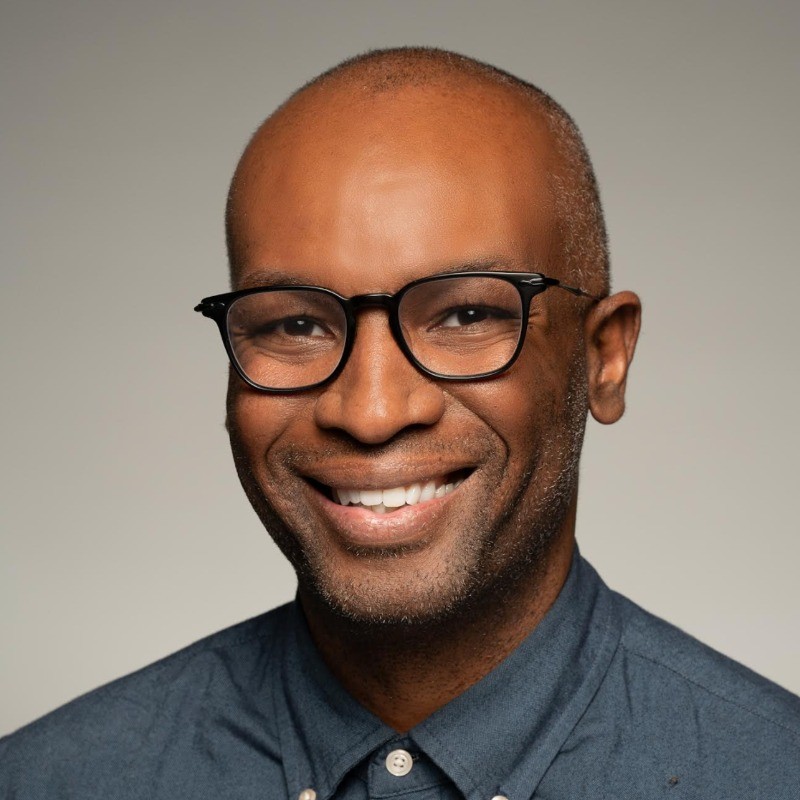
Allen Narcisse
Founder & CEO of Gigs
Allen Narcisse, Founder & CEO of Gigs: $5.7 Million Raised to Build the Future of Blue Collar Hiring


René Janssen
CEO and Founder of Lepaya
René Janssen, CEO & Founder of Lepaya: $85 Million Raised to Build the Future of Employee Training


Chris Johnson
Growth Marketing Lead of Gun.IO
Chris Johnson, Growth Marketing Lead at Gun.IO: Competing in the Future of Freelance Developer Marketplaces


Ron Gura
CEO & Co-Founder of Empathy
How Empathy landed 9 of the top 10 US life insurance carriers | Ron Gura


Andres Blank
Co-founder & CEO of Fetcher
Andres Blank, CEO of Fetcher: $40 Million+ Raised to Build the Future of Recruiting Automation


Ben Sesser
CEO & Founder of BrightHire
Ben Sesser, CEO & Founder of BrightHire: $36 Million Raised to Build the Interview Intelligence Category

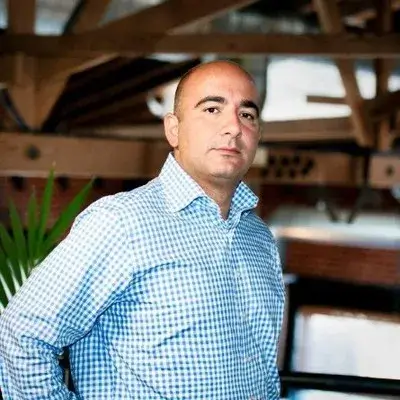
Sam Naficy
CEO of Prodoscore
Sam Naficy, CEO of Prodoscore: $4 Million Raised to Build the Future of Employee Productivity Measurement


Sammy Singh
CEO and Co-Founder of WurkNow
Sammy Singh, CEO and Co-Founder of WurkNow: $15 Million Raised to Power the Future of Staffing

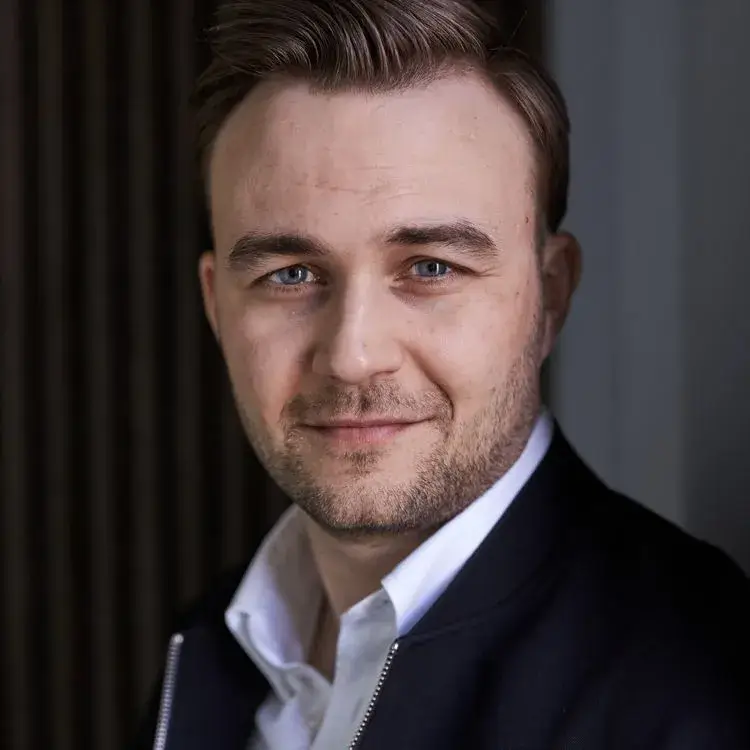
Daniel Birkholm
Founder & CEO of TalentHub
Daniel Birkholm, TalentHub: $6 Million Raised to Transform How Organizations Measure and Improve Their Hiring Experience


Barbra Gago
CEO and Founder of Pando
Barbra Gago, CEO and Founder of Pando: $7 Million Raised to Build the Future of Career Advancement


David Murray
Cofounder & CEO of Confirm
How Confirm targets HR leaders in their first 60 days to close enterprise deals faster | David Murray


Alex Cwirko-Godycki
How Pave is Defining and Dominating the Compensation Intelligence Category

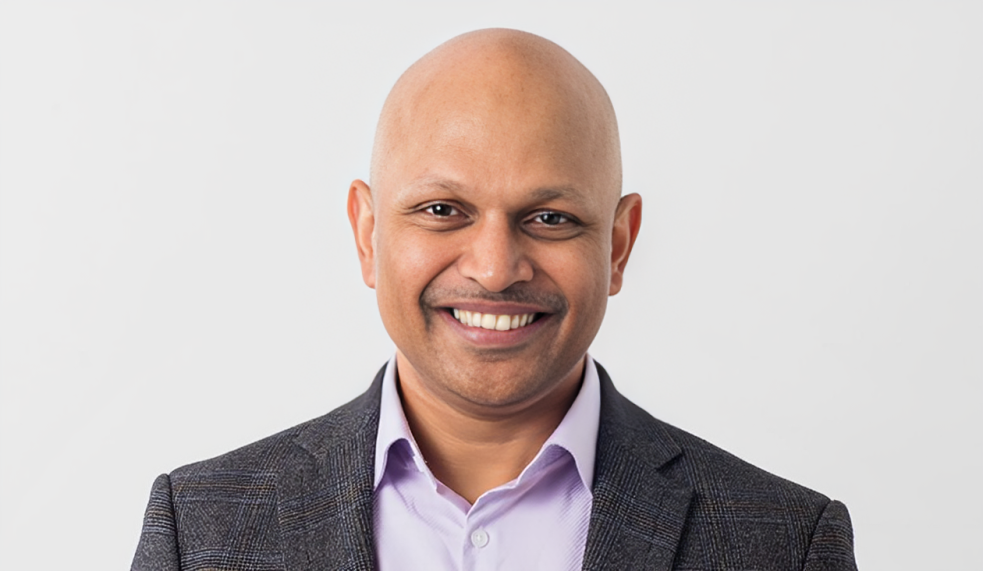
Raghu Gollamudi
CEO and Co-Founder of Included
Raghu Gollamudi, CEO and Co-Founder of Included: $5.4 Million Raised to Build the Future of HR Analytics


Joseph Fung
CEO of Uvaro
Joseph Fung, CEO of Uvaro: $15 Million Raised to Build the Career Success Platform Category


Virgile Raingeard
CEO of Figures
Virgile Raingeard, CEO of Figures: €8.5 Million Raised to Build the Future of Compensation Intelligence


Nancy Xu
CEO & Founder of Moonhub
Nancy Xu, CEO & Founder of Moonhub: $10 Million Raised to Power the Future of AI-Driven Recruiting


Omer Glass
Co-Founder and CEO of GrowthSpace
Omer Glass, Co-Founder and CEO of GrowthSpace: $44 Million Raised to Build the Future of Employee Development


Deborah Hanus
How Sparrow achieved 14x revenue growth by targeting pain ownership, not pain awareness | Deborah Hanus


Laura McGee
Founder and CEO of Diversio
Laura McGee, CEO of Diversio: $6 Million Raised to Help Organizations Measure and Improve DEI



Nicole Fuselier
VP of Marketing of Bonusly
Revenue-Driven Marketing: Insights from Nicole Fuselier of Bonusly


Warren Lebovics
Co-Founder of Pequity
Warren Lebovics, Co-Founder of Pequity: $19 Million Raised to Build the Future of Employee Compensation


Sloane Barbour
CEO & Founder of engin
Sloane Barbour, CEO & Founder of engin: $4 Million Raised to Transform AI-Powered Recruiting


Michael Ioffe
CEO & Co-Founder of Arist
Michael Ioffe, CEO & Co-Founder of Arist: $16 Million Raised to Build the Future of Autonomous L&D


Jason Radisson
CEO and Founder of Movo
Jason Radisson, CEO and Founder of Movo: Over $9 Million Raised to Build the Future of HR Automation


Anthony Mironov
CEO and Co-Founder of Wingspan
Anthony Mironov, CEO and Co-Founder of Wingspan: $30 Million Raised to Power the Contractor Experience of the Future