Ready to build your own Founder-Led Growth engine? Book a Strategy Call

Frontlines.io | Where B2B Founders Talk GTM.
Strategic Communications Advisory For Visionary Founders



Actionable
Takeaways
Leverage Customer Success Stories:
Use successful customer outcomes to drive investor interest and fuel rapid fundraising, as demonstrated by John's experience in closing a seed round in one day.
Outsource High-Quality Prospecting:
Prioritize quality at the top of the funnel by using contract SDRs or VAs for prospecting, ensuring that outbound efforts target the most relevant and high-potential leads.
Pivot When Necessary:
Don’t hesitate to pivot your business model if the initial approach isn't scalable. Paraform’s shift from a referral-based system to a professional recruiter marketplace allowed them to grow more rapidly and sustainably.
Outbound as a Reliable Growth Engine:
Outbound marketing, when executed well, remains a powerful tool. Paraform’s success shows that targeted, high-quality outbound efforts can drive significant customer acquisition.
Marketplace Dynamics in Recruiting:
Building a marketplace that connects specialized recruiters with companies looking to fill niche roles can significantly improve the efficiency and success rate of difficult hires.
Conversation
Highlights
From Recruiter Frustration to Enterprise Marketplace: How Paraform Rebuilt Recruiting
Most recruiting platforms fail because they optimize for the wrong side of the marketplace. They chase companies with deep pockets while treating recruiters as interchangeable commodities. John Kim, Co-Founder and CEO of Paraform, took the opposite approach—and it’s working.
In a recent episode of Category Visionaries, John explained how Paraform became one of the fastest-growing recruiting marketplaces by obsessing over recruiter success first. “We really focused on the supply side, which is recruiters,” John says. “We really wanted to make sure that they were successful and that the money would follow if we could prove that we could make them more successful.”
This wasn’t just philosophy. It was survival strategy born from watching the recruiting industry’s fundamental brokenness up close.
The LinkedIn Problem Nobody Talks About
John’s path to founding Paraform started with a simple observation: LinkedIn had become a terrible place to actually recruit. “I was spending like twelve to 15 hours a day on LinkedIn,” he recalls. “It honestly felt like I was working at LinkedIn, not for my own company.”
The platform had evolved into something that actively worked against recruiters. “They really put a lot more effort into blocking people from being able to reach out to candidates,” John explains. The math was brutal—send 100 messages, maybe 10 would respond, and only one might be interested. For independent recruiters charging 20-25% placement fees, this inefficiency was crushing.
But the real problem went deeper than LinkedIn’s limitations. The entire recruiting industry operated on a model that guaranteed waste. “Companies would send a job to 40, 50 different recruiting agencies, and all of them would be working on the exact same search,” John says. “That to me seemed completely ridiculous.”
Building for Recruiters, Not Companies
When John and his team started building Paraform, they made a counterintuitive decision: they would focus almost exclusively on making recruiters successful, even if it meant slower company acquisition initially.
This manifested in multiple ways. First, they built exclusive job assignments into the platform. Unlike traditional contingency recruiting where dozens of agencies compete on the same role, Paraform gives recruiters exclusivity. “We kind of force exclusivity,” John explains. “We make it so that only one recruiter is working on a search at a time.”
The impact was immediate. Recruiters could invest real time into understanding roles and finding the right candidates without worrying about wasted effort. “That’s kind of like our bread and butter,” John says. “Making sure that recruiters are way more efficient.”
Second, they created transparency around success rates. Paraform doesn’t just facilitate introductions—it tracks what happens after. When recruiters submit candidates, they can see whether companies are actually interviewing them, making offers, or ghosting them entirely. This data helps recruiters avoid time-wasters and focus on companies that actually hire.
The Enterprise Wedge Strategy
As Paraform gained traction with recruiters, John faced a classic marketplace challenge: how do you convince enterprise companies to use a platform built for independent recruiters?
His answer was elegant. Rather than trying to sell directly to enterprises initially, Paraform would partner with recruiting agencies that already had enterprise relationships. “They have these enterprise relationships with like Nvidia, Google, Meta, Amazon, and we don’t,” John admits. “So what we said is, hey, why don’t you guys post all of your jobs on our platform?”
The pitch to agencies was simple: you maintain your client relationships and economics, but you can now tap into Paraform’s network of thousands of independent recruiters to help fill roles. “They can leverage the marketplace and all the recruiters on it, but they still maintain the relationship with the client and they can still take like 30% of the fee,” John explains.
This strategy created a flywheel. Agencies posted high-quality jobs from top companies. Independent recruiters flocked to these opportunities. As recruiters proved they could deliver, companies began trusting the platform directly. “Once we prove that we can actually make placements, then we can go direct to those brands,” John says.
Product-Led Growth in Recruiting
One of Paraform’s most distinctive GTM decisions was embracing product-led growth in an industry that typically relies on heavy sales touches. “We’re very much product led growth, product led sales,” John emphasizes.
For recruiters, the onboarding is intentionally frictionless. “We definitely tried to make it as easy as possible for recruiters to onboard,” John says. They can sign up, browse jobs, and start submitting candidates within minutes. The platform handles contracts, payments, and logistics automatically.
For companies, Paraform created a self-service model that respected how modern startups want to buy. Rather than forcing lengthy sales cycles, companies can post jobs, review candidates, and make hires without ever talking to a salesperson. “The majority of companies, over half of the companies are actually signing up themselves,” John notes.
This approach scaled remarkably well. “We have about 8,000 jobs on the platform right now,” John reveals. “We’re averaging about 400 to 500 jobs posted per month.” Even more impressive: “80% of those are net new logos.”
The AI Recruiting Bet
As AI transforms recruiting, John sees Paraform’s marketplace model as uniquely defensible. While AI tools can help source candidates, the human relationship and judgment still matter enormously in recruiting. “I think it’s mostly around the relationship building,” John says about where recruiters add irreplaceable value.
Paraform is already integrating AI to help recruiters be more efficient—better sourcing, faster candidate matching, automated outreach. But John believes the marketplace itself becomes more valuable as AI commoditizes basic recruiting tasks. “If you can find talent faster, you can make more placements, which means the marketplace just becomes more efficient,” he explains.
Scaling Beyond Recruiting
John’s ambitions for Paraform extend well beyond recruiting. He sees the platform’s core mechanics—connecting independent professionals with companies through a transparent marketplace—as applicable to multiple services. “We want to build more services on the talent side of the business,” John says.
The vision is a full talent platform where companies can access not just recruiting, but headhunting, RPO services, and other talent solutions through the same marketplace model. Each service would maintain Paraform’s core principles: transparency, efficiency, and alignment between all parties.
For now, though, the focus remains on perfecting the recruiting marketplace. With 8,000 active jobs, thousands of recruiters, and rapid growth in enterprise adoption, Paraform has proven that putting recruiters first wasn’t just good ethics—it was good business strategy.
The lesson for marketplace builders is clear: figure out which side of your marketplace is most broken, fix that first, and the other side will follow. John did exactly that, and built one of recruiting’s most promising platforms in the process.
Recommended Founder
Interviews


Marcelo Lebre
President of Remote
Marcelo Lebre, Co-founder & COO of Remote: Nearly $500 Million Raised to Power the Distributed Workforce of the Future

Rob Whalen
CEO of PTO Exchange
Rob Whalen, CEO of PTO Exchange: $5M Raised to Empower Companies to Rethink Paid Time Off


Andres Blank
Co-founder & CEO of Fetcher
Andres Blank, CEO of Fetcher: $40 Million+ Raised to Build the Future of Recruiting Automation


Charlotte Dales
CEO & Co-Founder of Inclusively
Charlotte Dales, CEO & Co-Founder of Inclusively: $20 Million Raised to Transform Workplace Personalization


Kelsey Bishop
Founder and CEO of Candor
Kelsey Bishop, Founder and CEO of Candor: $5 Million Raised to Build the Future of Professional Relationship-Building


Will Sealy
CEO and Co-Founder of Summer
Will Sealy, CEO and Co-Founder of Summer: Over $18 Million Raised to Help Organizations Provide Student Loan Benefits

Jared Pope
CEO and Co-Founder of Work Shield
Jared Pope, CEO and Co-Founder of Work Shield: $12 Million Raised to Eliminate Workplace Misconduct


Lucas Mendes
Co-Founder and CEO of Revelo
Lucas Mendes, CEO of Revelo: $48.7 Million Raised to Build the Backbone of Tech Talent for the Age of AI


Jerome Ternynck
Founder and CEO of SmartRecruiters
Jerome Ternynck: the Story of SmartRecruiter ($1.5 Billion Valuation)


Kian Katanforoosh
CEO & Founder of Workera
Kian Katanforoosh, CEO of Workera: $21 Million Raised to Build the Skills Intelligence Category


Aaron Wang
CEO & Co-Founder of Alex
How Aaron Wang justified spending $500K+ on the domain Alex.com | Aaron Wang


Hanns Aderhold
Founder and CEO of Cobrainer
Hanns Aderhold, Founder and CEO of Cobrainer: $21 Million Raised to Build the Future of Skills Data Platforms


Matt Watson
CEO and Founder of Origin
Matt Watson, CEO and Founder of Origin: Over $70 Million Raised to Make Financial Wellness the Next Big Employee Perk


Hanna Asmussen
CEO and Co-Founder of Localyze
Hanna Asmussen, CEO and Co-Founder of Localyze: Over $48 Million Raised to Build the Leading Global Mobility Platform for Companies and Employees
Siadhal Magos
CEO & Co-Founder of Metaview
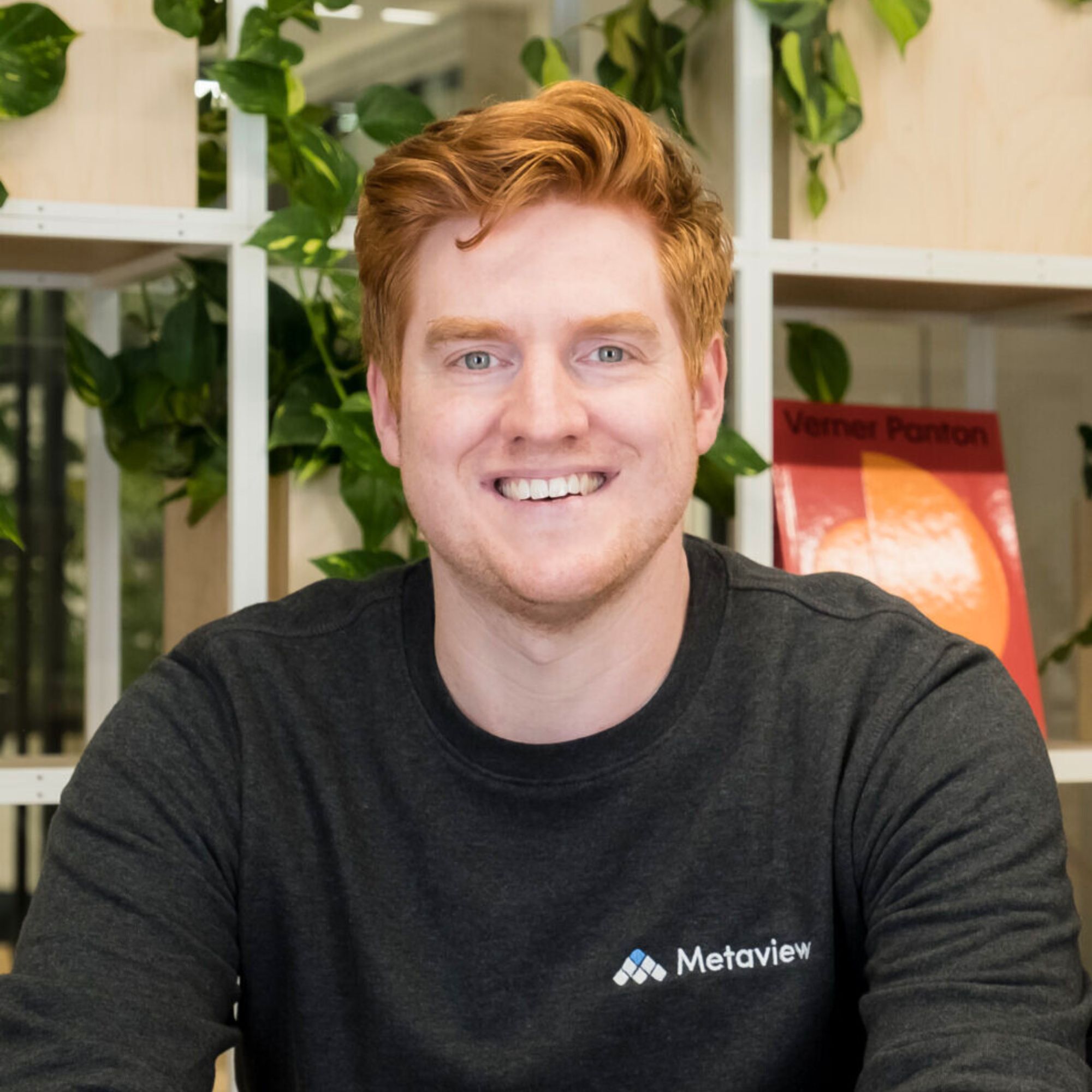
Siadhal Magos, CEO & Co-Founder of Metaview: $14 Million Raised to Power the Future of AI-Driven Hiring

Albert Owusu-Asare
CEO & Co-Founder of Cadana
Albert Owusu-Asare, CEO & Co-Founder of Cadana: $7 Million Raised to Build the Future of Global Payroll Infrastructure

Sam Naficy
CEO of Prodoscore
Sam Naficy, CEO of Prodoscore: $4 Million Raised to Build the Future of Employee Productivity Measurement


Warren Lebovics
Co-Founder of Pequity
Warren Lebovics, Co-Founder of Pequity: $19 Million Raised to Build the Future of Employee Compensation

Allen Narcisse
Founder & CEO of Gigs
Allen Narcisse, Founder & CEO of Gigs: $5.7 Million Raised to Build the Future of Blue Collar Hiring


Virgile Raingeard
CEO of Figures
Virgile Raingeard, CEO of Figures: €8.5 Million Raised to Build the Future of Compensation Intelligence


Michael Ioffe
CEO & Co-Founder of Arist
Michael Ioffe, CEO & Co-Founder of Arist: $16 Million Raised to Build the Future of Autonomous L&D


Nikki Stones
VP of Marketing of Ben
Building an In-House Podcast Studio for Enterprise ABM w/ Nikki Stones (Two-time guest!)


Barbra Gago
CEO and Founder of Pando
Barbra Gago, CEO and Founder of Pando: $7 Million Raised to Build the Future of Career Advancement


Alex Cwirko-Godycki
How Pave is Defining and Dominating the Compensation Intelligence Category


Mike Fitzsimmons
CEO and Co-Founder of Crosschq
Mike Fitzsimmons, CEO & Co-Founder of Crosschq: $35 Million Raised to Power the Future of AI-Driven Hiring Intelligence


Andy Berman
CEO and Founder of Vowel
Andy Berman, CEO and Founder of Vowel: $13 Million Raised to Power the Future of Meetings


Jason Lavender
CEO of Electives
Jason Lavender, CEO of Electives: $10M Raised to Redefine Corporate Training


Laura McGee
Founder and CEO of Diversio
Laura McGee, CEO of Diversio: $6 Million Raised to Help Organizations Measure and Improve DEI


Chandler Malone
Founder of Bootup
Chandler Malone, Founder of Bootup: $2 Million Raised to Solve the Tech Talent Crisis


Sloane Barbour
CEO & Founder of engin
Sloane Barbour, CEO & Founder of engin: $4 Million Raised to Transform AI-Powered Recruiting


Erik Braund
CEO & Founder of Katmai
Erik Braund, CEO & Founder of Katmai: $30 Million Raised to Build the Future of Virtual Work


Jeremy Johnson
CEO & Co-Founder of Andela
Jeremy Johnson: the Story of Andela ($1.5 Billion Valuation)


Jennifer Dulski
CEO & Founder of Rising Team
Jennifer Dulski, CEO & Founder of Rising Team: $11 Million Raised to Build the Future of Team Performance


Cindy Goodrich
Chief Marketing Officer of Empathy
Building Trust in Grief: Why Empathy Bought Their Domain Early


Ben Sesser
CEO & Founder of BrightHire
Ben Sesser, CEO & Founder of BrightHire: $36 Million Raised to Build the Interview Intelligence Category


Dirk Doebler
Founder and CEO of Parento
Dirk Doebler, Founder and CEO of Parento: $4.5 Million Raised to Build the Future of Paid Parental Leave


Nicole Fuselier
VP of Marketing of Bonusly
Revenue-Driven Marketing: Insights from Nicole Fuselier of Bonusly


Karoli Hindriks
Founder of Jobbatical
Karoli Hindriks, Founder of Jobbatical: $23 Million Raised to Build the Future of Global Mobility with AI-Powered Relocation Solutions

Nishika de Rosairo
CEO and Founder of HumanQ
Nishika de Rosairo, CEO and Founder of HumanQ: $3.5 Million Raised to Build the Future of Human Development


René Janssen
CEO and Founder of Lepaya
René Janssen, CEO & Founder of Lepaya: $85 Million Raised to Build the Future of Employee Training


Dan Beck
Dan Beck, CEO & Co-Founder of 401GO: $14 Million Raised to Build the Future of Retirement Benefits for Small Businesses


Anthony Mironov
CEO and Co-Founder of Wingspan
Anthony Mironov, CEO and Co-Founder of Wingspan: $30 Million Raised to Power the Contractor Experience of the Future


Holly Tate
CMO of Leadr
Holly Tate, CMO of Leadr: Building the Future of People Development Platforms


Omer Glass
Co-Founder and CEO of GrowthSpace
Omer Glass, Co-Founder and CEO of GrowthSpace: $44 Million Raised to Build the Future of Employee Development


Sammy Singh
CEO and Co-Founder of WurkNow
Sammy Singh, CEO and Co-Founder of WurkNow: $15 Million Raised to Power the Future of Staffing


Sebastian Schüller
Co-founder of HiPeople
Sebastian Schüller, Co-founder of HiPeople: $7 Million Raised to Develop Data-Driven Augmentation for Hiring Teams


Prem Kumar
CEO | Co-founder of Humanly
Prem Kumar, CEO of Humanly.io: $5.5 Million Raised to Build the Conversational Hiring Category


Chris Johnson
Growth Marketing Lead of Gun.IO
Chris Johnson, Growth Marketing Lead at Gun.IO: Competing in the Future of Freelance Developer Marketplaces



Rob Sadow
CEO & Co-Founder of Scoop
Rob Sadow, CEO & Co-Founder of Scoop: $8 Million Raised to Build the Future of Hybrid Team Coordination

Kevin Busque
CEO and Founder of Guideline
Kevin Busque, CEO and Founder of Guideline: $339 Million Raised to Help More Small Businesses Offer Retirement Plans


Ron Gura
CEO & Co-Founder of Empathy
How Empathy landed 9 of the top 10 US life insurance carriers | Ron Gura


Cristina Bunea
Head of Marketing of Paraform
From Code to Content: Building B2B Marketing That People Crave

Daniel Birkholm
Founder & CEO of TalentHub
Daniel Birkholm, TalentHub: $6 Million Raised to Transform How Organizations Measure and Improve Their Hiring Experience


Tony Jamous
CEO of Oyster
Tony Jamous, CEO of Oyster: $220+ Million Raised to Build the Global Employment Platform (GEP) Category


Josh Merrill
CEO of Confirm
Josh Merrill, CEO of Confirm: Over $11 Million Raised to End the Performance Review Nightmare


Stephen Johnston
CEO and Founder of GoodJob
Stephen Johnston, CEO and Founder of GoodJob: $9 Million Raised to Power the Future of Human Capital Management


Barb Hyman
CEO & Founder of Sapia AI
Barb Hyman, CEO & Founder of Sapia AI: $21 Million Raised to Build the Future of AI-Powered Recruiting


Jaclyn Chen
CEO of Benepass
Jaclyn Chen, CEO of Benepass: $14 Million Raised to Build the Future of Employee Benefits Management


Nitzan Yudan
Nitzan Yudan, CEO & Founder of Benivo: $30 Million Raised to Transform Global Workforce Mobility


Tuck Hauptfuhrer
CEO & Co-Founder of EarnBetter
Tuck Hauptfuhrer, CEO & Co-Founder of EarnBetter: $4.5 Million Raised to Build the Future of AI-Powered Job Search
Marcelo Lebre
President of Remote
Marcelo Lebre: the Story of Remote ($3 Billion+ Valuation)


Matt Pierce
CEO of Immediate
Matt Pierce, CEO of Immediate: $15 Million Raised to Eliminate the Costly Price of Financial Stress in the Workforce


Achuthanand Ravi
Founder & CEO of Kula
Achuthanand Ravi, CEO of Kula: $14 Million Raised to Build the Future of Recruiting


Tom Griffiths
CEO and Co-founder of Hone
Tom Griffiths, CEO of Hone: $50 Million Raised to Build the Future of Corporate Training


Wes Winham Winler
Founder/CEO of Woven
Wes Winham Winler, CEO of Woven: $11 Million Raised to Transform How Companies Recruit and Hire Developers


Matthew Sydney
CEO & Founder of Beanstalk Benefits
Matthew Sydney, CEO & Founder of Beanstalk Benefits: $7.5 Million Raised to Build the Future of On-Demand Employee Benefits


Nancy Xu
CEO & Founder of Moonhub
Nancy Xu, CEO & Founder of Moonhub: $10 Million Raised to Power the Future of AI-Driven Recruiting


Ian White
Founder of ChartHop
Ian White, Founder, CEO and CTO of ChartHop: $74 Million Raised to Build the Future of PeopleOps


Amit Bhatia
CEO & Co-Founder of Data People
Amit Bhatia, Co-Founder and CEO of Data People: $21 Million Raised to Build the Future of Recruiting Intelligence


Jason Radisson
CEO and Founder of Movo
Jason Radisson, CEO and Founder of Movo: Over $9 Million Raised to Build the Future of HR Automation


David Murray
Cofounder & CEO of Confirm
How Confirm targets HR leaders in their first 60 days to close enterprise deals faster | David Murray


Deborah Hanus
How Sparrow achieved 14x revenue growth by targeting pain ownership, not pain awareness | Deborah Hanus


Brett Martin
President and Co-Founder of Kumospace
Brett Martin, President and Co-Founder of Kumospace: $25 Million Raised to Power the Future of Virtual Offices


Ben Zweig
CEO of Revelio Labs
Ben Zweig, CEO of Revelio Labs: $19 Million Raised to Build the Future of Workforce Intelligence

Sid Upadhyay
Co-Founder & CEO of WizeHire
Sid Upadhyay, Co-Founder & CEO at WizeHire: Over $30 Million Raised to Help SMBs Hire Great Talent


Joseph Fung
CEO of Uvaro
Joseph Fung, CEO of Uvaro: $15 Million Raised to Build the Career Success Platform Category

Peter Briffett
CEO and Co-Founder of Wagestream
Peter Briffett, CEO and Co-Founder of Wagestream: $370 Million Raised to Provide Financial Wellbeing for Every Frontline Employee


Tomer London
Co-founder and Chief Product Officer of Gusto
How Gusto scaled to 400,000+ customers without traditional sales: The consumer-first B2B playbook ($9.5B Valuation)

Raghu Gollamudi
CEO and Co-Founder of Included
Raghu Gollamudi, CEO and Co-Founder of Included: $5.4 Million Raised to Build the Future of HR Analytics